1. Home
  2. Cars
  3. News

A Chinese EV giant could be testing superchargers with an absurd output

If the leaks are accurate, BYD's next charging leap could make EV pit stops feel startlingly familiar, fast, brief, and no longer something drivers plan their lives around.

Add as a preferred source on Google
BYD Sealion 7.
BYD

If you told an EV owner five years ago that a mainstream automaker might be testing 2,100 kW charging, they probably would have laughed at you. However, that is exactly what leaked documents tied to BYD appear to suggest.

A new report from Car News China, citing social media posts and screenshots of regulatory filings circulating on Chinese social media platforms, suggests that BYD is experimenting with super-fast charging technology capable of reaching a maximum input power of up to 2,100 kW (2.1 MW).

What 2.1 megawatts could really deliver

Even though the system might not deliver a direct 2,100 kW, it could still provide a major upgrade over BYD’s Flash Charge network, which delivers 1,000 kW of peak charging power, enough to provide 400 kilometers of cruising range in around 300 seconds, or 5 minutes.

Recommended Videos

If the leaked figure is even close to reality, a charger with 2,100 kW input could theoretically output between 1,800 kW and 2,000 kW (I’ve accounted for conversion losses and auxiliary systems).

However, leaks from the previous week suggest reference individual output channels between 1,200 kW and 1,500 kW.

Compatible EV owners should be able to get 400 kilometers of range in about 200 to 250 seconds, or around three to four minutes. Although I’ve oversimplified the numbers for your understanding, a 2,100 kW charging input could, in a very real way, bring a charging station break feel like a gas stop.

Much faster than Tesla’s quickest public charging

It’s worth mentioning that BYD’s 1,000 kW charging (though not as widely available) is about twice as fast as Tesla’s 500 kW charging available for the Cybertruck via V4 Superchargers.

A multi-megawatt passenger-car charging system could certainly shift how automakers and EV owners think about charging and plan their infrastructure or road trips.

However, it also raises concerns about grid capacity, on-site energy storage, and the electrical architecture that BYD’s EVs would need to support charging speed. Also, remember that the Chinese automaker is yet to announce the charging standard or confirm the specifications, so take them with a pinch of salt.

Shikhar Mehrotra
For more than five years, Shikhar has consistently simplified developments in the field of consumer tech and presented them…
Polestar forced to exit the US market. It’s a shame we won’t see its refined design anymore
Boring EVs caught a break as Americans lose Polestar
polestar-3-ev

Polestar, the Swedish EV brand controlled by China’s Geely, has been denied authorization under the US Connected Vehicle Rule. As a result, it will not be able to sell vehicles in the US from the 2027 model year onward. The company is not disappearing from American roads overnight. Polestar says it will continue selling existing US inventory of the Polestar 3 and Polestar 4, and current owners will still have access to service support. But for future models, the door is effectively closing unless something changes.

Polestar 3

Read more
The Wild West era of robotaxis is starting to end
New global rules could replace patchwork regulation with stricter safety proof for driverless fleets.
Self driving car from Waymo

Robotaxi rules have entered their first global phase. A UN vehicle standards forum has adopted the first international framework for fully autonomous vehicles, giving driverless fleets a common safety baseline across major markets.

The move lands while robotaxis are expanding from test programs into a bigger commercial race. In the US and China, private fleets more than doubled in 2025 to 8,000 vehicles across more than two dozen major cities.

Read more
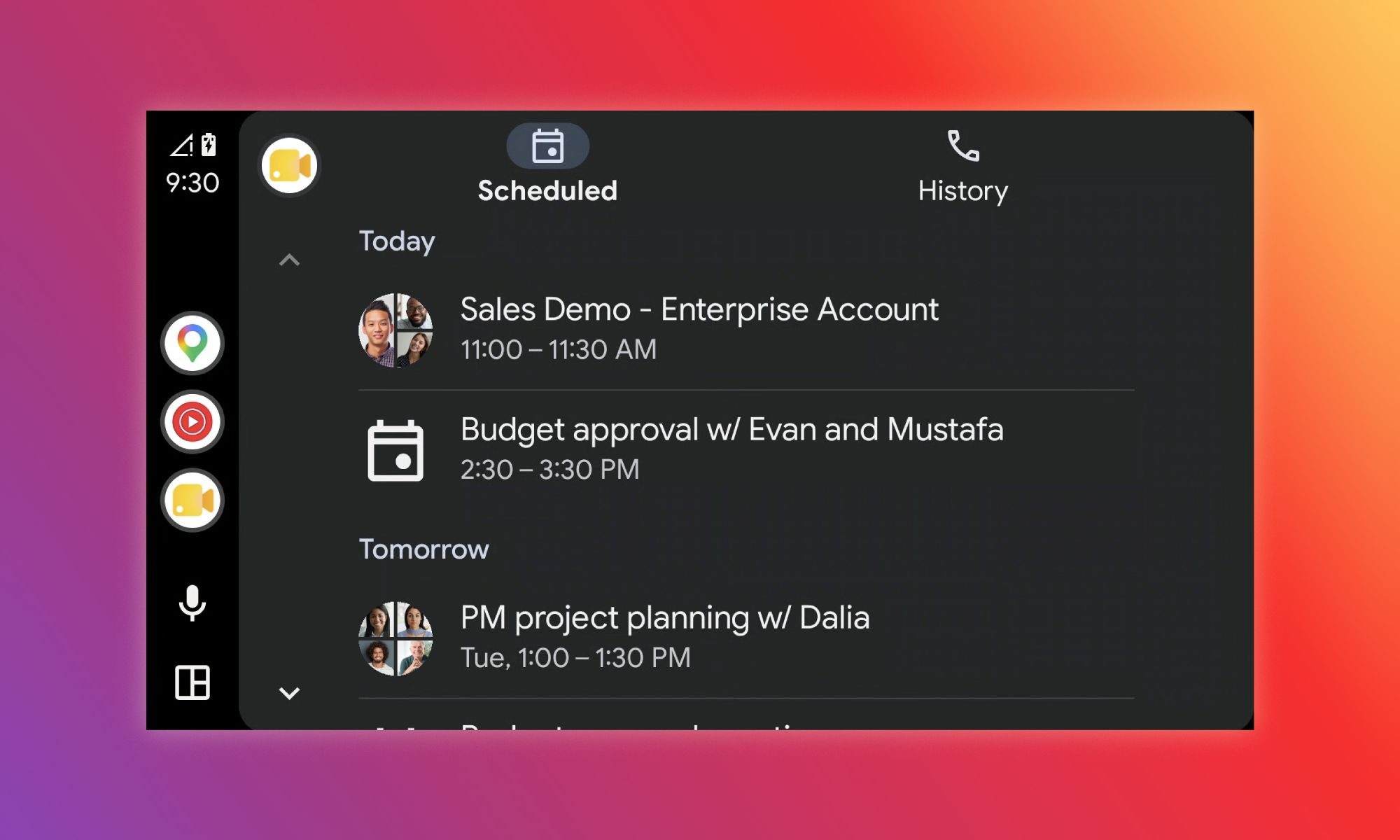
Google Meet finally lands on Android Auto, giving you one less excuse to skip a meeting
Android users can now join scheduled meetings and audio calls from their car's dashboard, catching up to what iPhone users have had for months.
Google Meet on Android Auto

Android Auto is finally getting Google Meet, months after the video conferencing app made its debut on Apple CarPlay. Android users can now pull up scheduled meetings and dial recent contacts straight from their car's display instead of reaching for their phone.

How it works behind the wheel

Read more