1. Home
  2. Computing
  3. News

Future MacBooks might hide your screen from everyone else

A new leak suggests Apple could adopt advanced privacy display tech in the coming years.

Add as a preferred source on Google
Macbook Air
Riley Young / Digital Trends

If you’ve ever used a laptop in a café, airport, or office and worried about someone glancing at your screen, Apple may be working on a solution. A new leak suggests future MacBooks could gain a built-in privacy display that hides sensitive content from anyone looking at your screen from the side. The rumor comes from well-known leaker Ice Universe, who claims Apple could adopt Samsung’s upcoming Privacy Display technology for MacBook laptops in the coming years. Reports citing research firm Omdia suggest the feature may arrive around 2029, giving Apple plenty of time to refine the tech for larger laptop displays.

According to a report released by market research firm Omdia on February 16, Samsung Electronics’ latest privacy display technology, introduced in the Galaxy S26 Ultra, is also expected to be applied to Apple MacBook laptops by 2029.

— Ice Universe (@UniverseIce) February 16, 2026

Unlike today’s clip-on privacy screen protectors, this technology would be built directly into the display. The system reportedly uses a mix of screen engineering and software to limit viewing angles so that only the person sitting directly in front of the laptop can clearly see what’s on screen. In practical terms, that could mean emails, messages, passwords, and documents becoming unreadable to anyone sitting nearby.

A long-term fix for a very modern problem

Samsung is expected to debut its Privacy Display tech first in the upcoming Galaxy S26 phones, where it can selectively hide parts of the screen, such as notifications or sensitive apps. The feature is designed specifically to prevent “shoulder surfing” in crowded environments like public transport or shared workspaces.

Bringing the idea to laptops makes obvious sense. Phones can be tilted or turned away easily, but laptops are far harder to shield in public spaces. Add to that, there are plenty of third-party privacy filters for MacBooks on the market, which shows there is already demand for this type of protection. That said, a built-in version would feel far more seamless, brighter, and easier to toggle on and off.

Of course, this remains a long-term rumor, and Apple has not confirmed anything. Still, the idea fits neatly into the company’s broader focus on privacy as a selling point. If this technology does arrive, it could turn everyday laptop use in public spaces into a far less stressful experience.

Varun Mirchandani
Varun is an experienced technology journalist and editor with over eight years in consumer tech media. His work spans…
Wispr Flow launches an AI note-taker that works without joining calls
The new Wispr Flow tool called Notetaker creates live transcripts, summaries, and follow-up notes
Page, Text

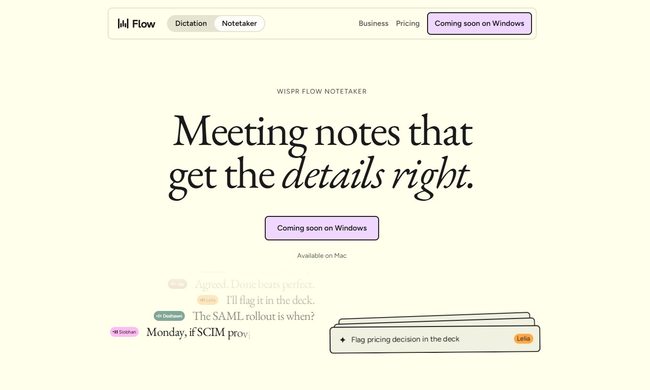
Wispr Flow has launched Notetaker, an AI meeting assistant built into its existing Mac app. It can record conversations, show a live transcript, and prepare notes covering decisions, deadlines, assigned work, and unresolved issues.

Wispr Flow is best known for its dictation tool, which turns spoken thoughts into edited text wherever the user is working. Notetaker takes the company beyond voice typing and applies its transcription technology to meetings, interviews, and in-person conversations.

Read more
Google Assistant finally has a shutdown date, and it’s only weeks away
Google Assistant starts shutting down September 4 as Gemini takes over.
google assistant mobile.

Google Assistant’s long goodbye now has a firm date. Google says it will begin discontinuing the voice assistant on eligible mobile devices on September 4, 2026, according to an email sent to users and shared publicly on Reddit.

The transition may take several weeks, so Assistant won’t vanish from every device at once. Once the change reaches an eligible Android device, Gemini will replace Assistant with no option to switch back.

Read more
ChatGPT Atlas is shutting down and it has some homework left before you migrate
OpenAI is pulling the plug on Atlas, so start packing your bookmarks
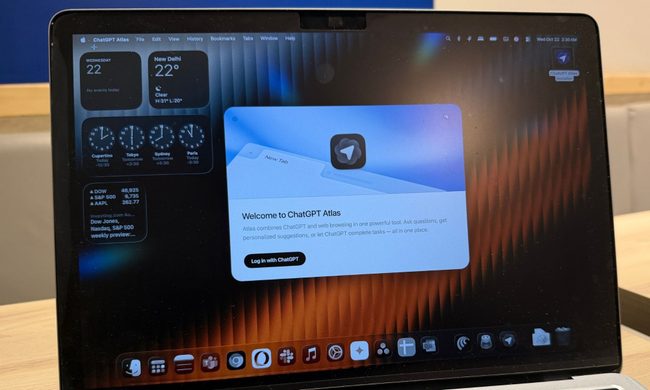
ChatGPT Atlas browser on a MacBook.

ChatGPT Atlas is heading toward an early grave, and anyone still using OpenAI's browser has a small pile of homework to finish before the shutdown. OpenAI has confirmed that Atlas is scheduled to stop working on August 9, 2026.

After that date, the browser may no longer be operational. So users won't be able to browse the web or get access to its agent-powered workflows. Meanwhile, the company is moving those browser-based capabilities into ChatGPT and Codex. But unfortunately, the transition isn't as convenient as users may hope.

Read more