March 2026 turned out to be one of the busiest months in Apple’s recent history. The Cupertino giant revealed a total of eight new devices within a span of two weeks, keeping us on our metaphorical toes and buyers busy weighing their options in an increasingly crowded lineup.
Apple held a special “experience” on March 4, 2026, holding press briefings in three different cities around the world: New York, London, and Shanghai, addressing three of its key markets. However, rather than introducing all the products on the same day, Apple staggered its launches across March 2, 3, and 4, via press releases.
Thereafter, the March 4 “experience” focused more on providing localized, hands-on access to the new devices, including a new entry-level iPhone, four new MacBooks, an iPad, and two Studio displays. However, the company wasn’t done yet, as it unveiled the AirPods Max 2 on March 16.
So, without any further ado, let’s dive right into everything Apple announced in March 2026, as these are the products the company will sell for the rest of the year, until the iPhone 18 Pro comes out in September 2026 and steals the spotlight.
iPhone 17e: March 2, 2026
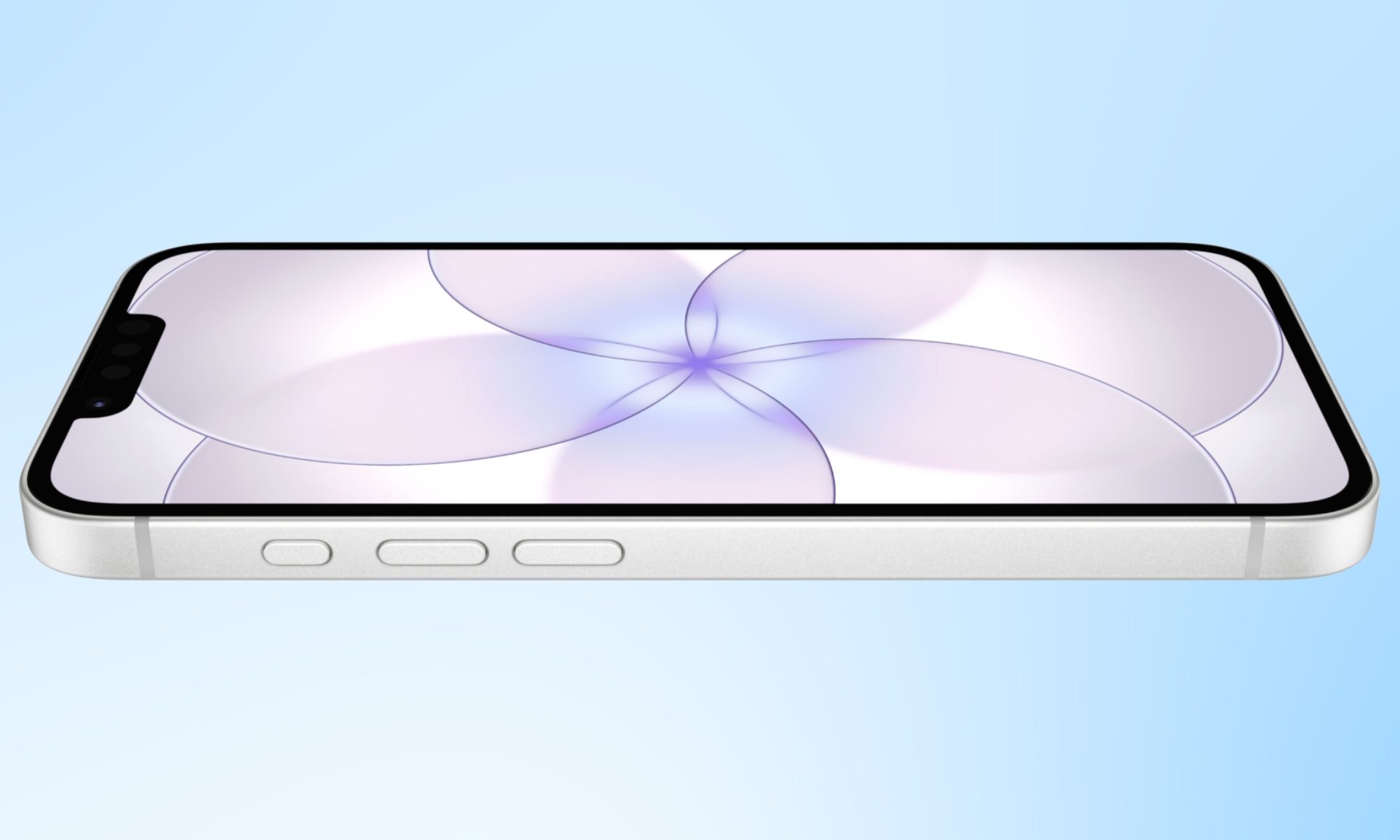
Apple unveiled the iPhone 17e on March 2, 2026 — marking the beginning of its big launch week — via a press release. Pre-orders opened on March 4, while general availability commenced on March 11. The handset costs $599 (same as the iPhone 16e), but doubles the base storage to 256GB.
Despite heavy speculation around Apple ditching the aging notch in favor of the Dynamic Island on the iPhone 17e, that didn’t happen. The entry-level iPhone retains the older iPhone 14-style design, featuring a 6.1-inch OLED 60Hz screen with the gigantic notch up to (housing the Face ID module and the front camera).

Underneath its shiny exterior, the iPhone 17e sports the Apple A19 chip, which first debuted on the vanilla iPhone 17, exactly as it was rumored ahead of the launch. It’s still worth noting that it is a binned version of the actual chip with four GPU cores instead of five. Alongside, the iPhone packs 8GB of RAM, which is the bare minimum to run all the current and upcoming Apple Intelligence features.
You still get the 48MP (f/1.6) Fusion camera at the back, which also provides 2x optical-quality zoom (you can actually capture some great portraits with it). As for the front camera, the early rumors about Apple bringing the Center Stage 18MP to the iPhone 17e stand corrected. The budget iPhone carries the same 12MP (f/1.9) TrueDepth camera as the iPhone 16e.
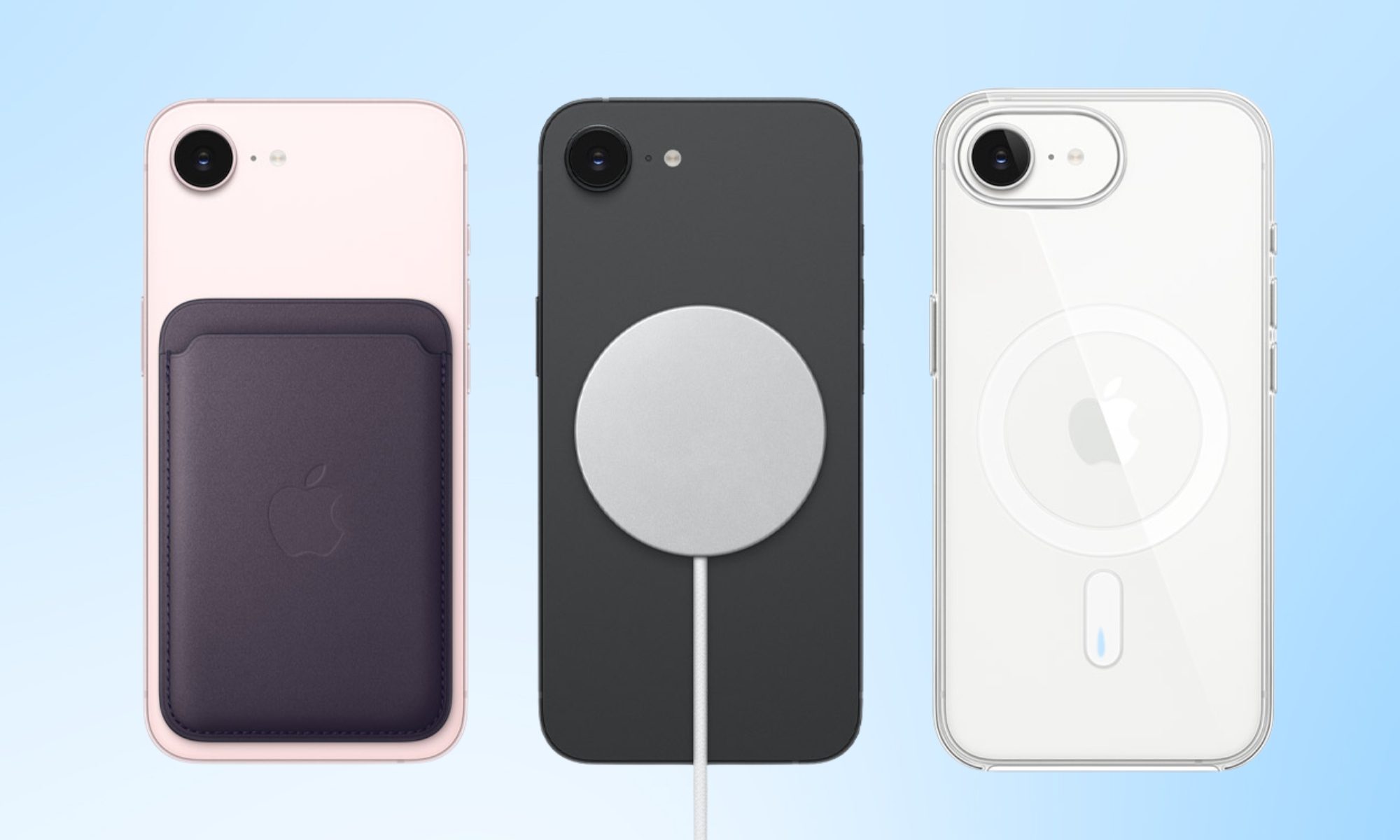
The iPhone 17e also retains the same 4,005 mAh battery from its predecessor, though efficiency gains from the new A19 chip and the C1X modem help keep the battery life strong (up to 26 hours of video playback). The charging front is the one that gets a substantial upgrade in the form of MagSafe (Qi2) wireless charging at up to 15W.
Despite being based on the iPhone 14 (or at least that is what it looks like), the iPhone 17e features a USB-C port (up to 480 Mbps); that’s another plus point. Moreover, the iPhone 17e gets quite a lot of upgrades in some of the most crucial departments.
M4 iPad Air: March 2
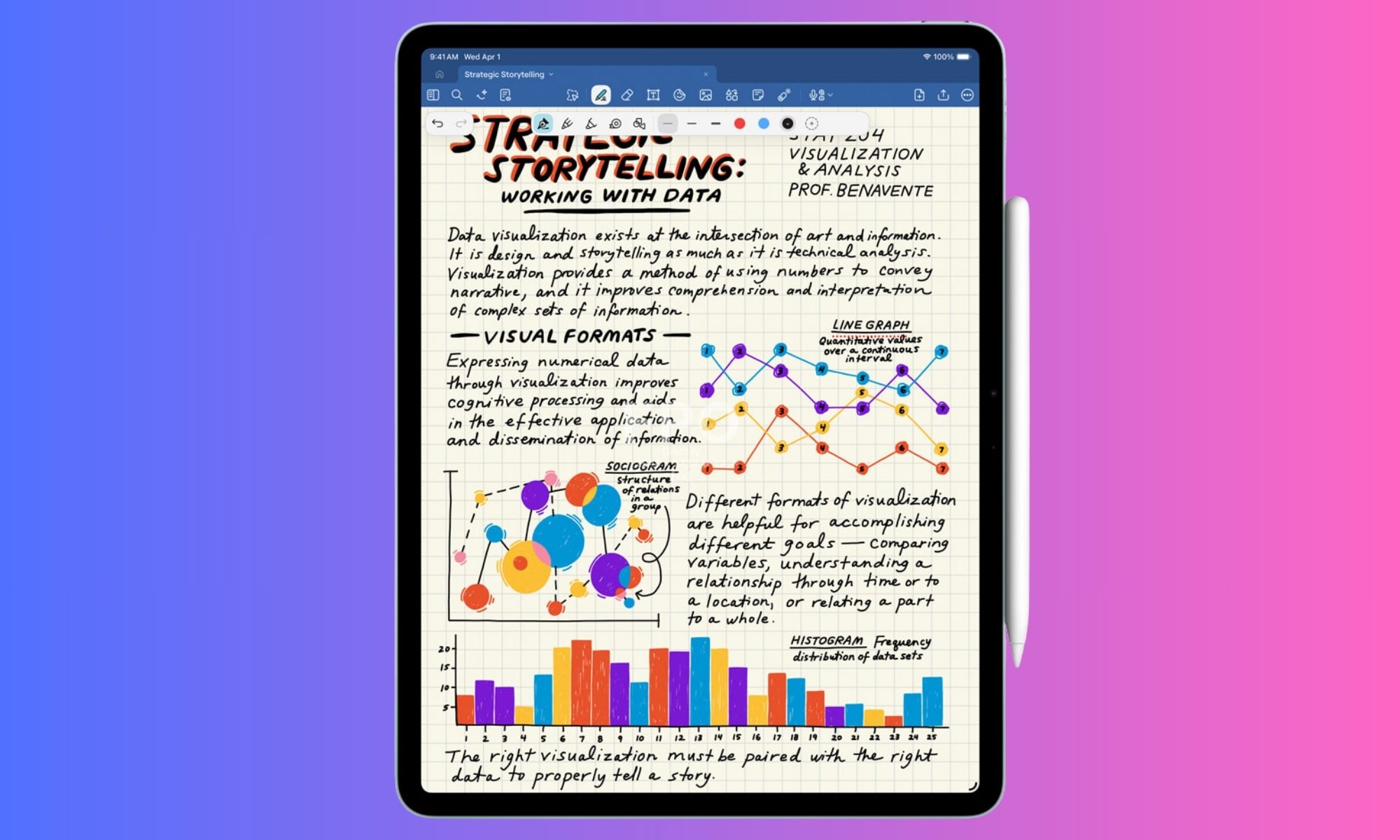
With the iPhone 17e, Apple announced the upgraded iPad Air with its M4 chip. As already expected, the 8th-generation iPad Air comes in two sizes — 11-inch ($599) and 13-inch ($799).
Compared to M3, the M4 chip brings up to 30% faster performance, while the unified memory jumps to 12GB, something that wasn’t flagged by the rumor mill. The iPad Air also picks up Wi-Fi 7 and Bluetooth 6 via Apple’s new N1 chip. Everything else, including the liquid Retina LCD display, storage options (starting at 128GB), and the four-color lineup, remains unchanged.
Now, the rumors also mentioned the 12th-generation iPad breaking cover around the same time, but it was a no-show. However, according to a new Bloomberg report, the iPad is “ready to go” and could arrive sometime this year.
MacBooks Air and MacBook Pro: March 3
M5 MacBook Air

The M5 MacBook Air arrived on March 3 (via a press release), and it was, as predicted, primarily a chip upgrade coupled with a handful of extras.
With the M5 chip, Apple claims up to 4x faster AI performance than the predecessor, which should help the on-device Apple Intelligence features. The new MacBook Air also offers a unified memory bandwidth of 153 GB/s (a 28% improvement), which should help make everyday tasks like app switching, web browsing, and the user interface feel more responsive and snappy.

Another quiet addition is Apple’s N1 wireless chip, which brings Wi-Fi 7 and Bluetooth 6 to the MacBook Air for the first time. Anyway, with all these upgrades, Apple also bumped the starting price of the MacBook from $999 to $1,099, with 512GB of storage and 16GB of memory (so the additional $100 doesn’t feel like much).
To me, it sounds like a win-win situation for the buyers. Right now, they get more storage than the entry-level M4 MacBook Air variant. In a few months, when the M5 MacBook Air is discounted, it will become the most value-for-money Air in the market.
M5 Pro and M5 Max MacBook Pro

Along with the M5 MacBook Air, Apple also announced the M5 Pro and M5 Max MacBook Pro models, and they turned out to be an even bigger leap than many expected. Both chips are based on a new Apple-designed Fusion Architecture, which essentially combines two third-generation 3nm dies into a single chip that houses the CPU, GPU, NPU, and unified memory.
The result? Apple claims up to 30% faster multi-thread performance over the M4 generation. While both the chips come with an 18-core CPU (with six super cores and 12 performance cores), the M5 Pro chips come with up to 20 GPU cores and 64GB of unified memory (307 GB/s), while the M5 Max scales up to 40 GPU cores and 128GB of unified memory (614 GB/s).

For content creators, the performance gains should result in faster Final Cut Pro exports with smoother playback of 4K footage. Designers should expect faster rendering (especially with 3D and motion) in tools like Figma, Blender, or Adobe After Effects. While developers should notice significantly faster compilation time, AI developers should see LLM prompt processing up to 4x faster than on the M4 Pro and M4 Max chips.
The 14-inch M5 Pro MacBook Pro starts at $2,199, the 16-inch at $2,699, and the 14-inch M5 Max model at $3,599. Base storage has also been increased to 1TB on the M5 Pro and 2TB for the M5 Max models.
Studio Displays: March 3

The long-awaited update to the Studio Display finally arrived on March 3, 2026, but whether it’s meaningful or incremental is completely up to you. The design remains unchanged, but the second-generation Studio Display ($1,599) gets a chip upgrade to Apple’s A19 (up from the A13 Bionic on the original).
The 120Hz refresh rate didn’t quite materialize; we’re still stuck with 60Hz on the display. The connectivity front looks slightly better, though, as the 2026 model gets two Thunderbolt 5 ports and two USB-C ports. The 12MP Center Stage camera also gets Desk View support, and the six-speaker system now delivers more bass.

The bigger surprise, however, was the all-new Studio Display XDR, a pricier version that comes as the spiritual successor to the Pro Display XDR. This is where all the headline features missing on the regular Studio Display ended up. I’m talking about a mini-LED panel, 1,000 nits of SDR brightness, 2,000 nits of peak HDR brightness, and, you guessed it right, a 120Hz refresh rate with Adaptive Sync.
The Studio Display XDR is powered by Apple’s A19 Pro chip — the most powerful chip on the current iPhone lineup — and costs $3,299.
MacBook Neo: March 4

The star of Apple’s March announcements, however, is the new MacBook Neo, the budget MacBook that features an iPhone chip and offers the goodness of macOS at $599 (or $499 for education buyers). The pricing makes it the lowest-priced laptop Apple has ever sold.
Rumors claimed that the device would feature Apple’s A18 Pro chip, and that turned out to be true. Along with the iPhone 16 Pro’s chip (with a six-core CPU and a five-core GPU), the Neo has 8GB of unified memory with no option to upgrade. There are two storage models, though — 256GB ($599) and 512GB ($699), with the latter also adding Touch ID
As for the specifications, the MacBook Neo sports a 13-inch Liquid Retina display, has two USB-C ports, and a 3.5 mm headphone jack. Looking at the colors, the device is available — Blush, Citrus, Indigo, and Silver — I’d say that the device should be very popular among the young Apple fanbase.
AirPods Max 2: March 16

While we were winding up our news stories and roundups about the new products announced in the first week of March, Apple had another surprise for us. In the middle of the month, the company took the covers off the AirPods Max 2 ($549), without any popular rumors or leaks about it. I had a feeling that the device was coming, but I definitely didn’t expect it in March 2026.
Among the key upgrades on the device are the H2 chip, up to 1.5x better active noise cancellation than the original AirPods Max, improved sound quality via new, high dynamic range amplifiers, and AirPods Pro-inspired features like Adaptive Audio, Conversation Awareness, Voice Isolation, and Live Translation.
The battery life, however, remains capped at 20 hours with noise cancellation, something that Sony’s WH-1000XM6s do much better. If you’re interested, the AirPods Max 2 are available in Midnight, Starlight, Orange, Purple, and Blue colorways. Pre-orders for the product have already been underway since March 25, 2026, with general availability in early April.