1. Home
  2. Phones
  3. News

Digital Trends may earn a commission when you buy through links on our site. Why trust us?

NATO thinks stock iPhones and iPads are secure enough for classified data

Your iPhones and iPads can now carry classified NATO info.

Add as a preferred source on Google
iPhone 17 Pro, Data Security
Unsplash

Apple has just scored a major security certification from NATO (North Atlantic Treaty Organization), clearing both the iPhone and iPad to be used with classified information up to the “NATO restricted” level without needing any special software, custom configurations, or security add-ons.

What the NATO Approval Means

In its recent newsroom post, the brand announced that iPhone and iPad join an exclusive list of devices deemed secure enough to handle sensitive data used in alliance operations and communications. While “restricted” is technically just the entry level of classified data in NATO’s classification framework, it still covers information that would be disadvantageous to alliance interests if disclosed.

Unlike many traditional military or enterprise secure tools, NATO believes that these devices don’t require additional security software, hardware modules, or lockdown configurations to meet its exclusion standards. It basically implies that the security stack Apple builds into its hardware, software, and Apple silicon is capable enough for this level of classification.

What Is “NATO Restricted”?

The term may sound like ultra-high security, but “NATO restricted” is technically the lowest classification level used by the alliance. It generally applies to information whose premature disclosure could harm operational interests. Regardless, this is the first time a consumer mobile has been recognized at this level without custom hardware or software.

Why this matters beyond Apple users

This is not just a marketing badge for Apple. It is a statement about modern mobile security. Devices previously approved to carry sensitive information belonged to specialized government-only systems with custom software and hardware measures in place. So Apple’s announcement suggests that commercial consumers have matured to a point where there are built-in protections.

Recommended Videos

For enterprises and organisations that value high security, like government, global corporations, and defence contractors, this certification could increase confidence in deploying iPhones and iPads. Apple executives noted that the company’s philosophy of “security by design” integrates protection across every layer, with features like Face biometric identity (Face ID), strong encryption, and advanced integrity checks being built into Apple silicon and iOS.

It is important to remember that NATO’s approval doesn’t mean these Apple devices are suddenly fit for every classified task. By definition, it just means secure enough. Whether that’s a testament to how far consumer security has advanced or how the lower-end classification standards have shifted, it depends on how one reads the decision.

Vikhyaat Vivek
Vikhyaat Vivek is a tech journalist and reviewer with seven years of experience covering consumer hardware, with a focus on…
The memory crisis isn’t going to ease, and you will pay the price for it, says a research firm
Forty to 50% higher this quarter, 30 to 40% more next quarter, and no real relief until 2028. Plan accordingly.
RAM memory chips

If you were hoping the memory crisis was about to ease up, I have some bad news for you. It comes directly from Wall Street.

Your next smartphone, laptop, or tablet could cost even more, regardless of whether it has recently been subject to a price hike.

Read more
Screens before age two may come with serious developmental risks, study warns
Using a phone or a tablet to keep your baby occupied is not a good idea.
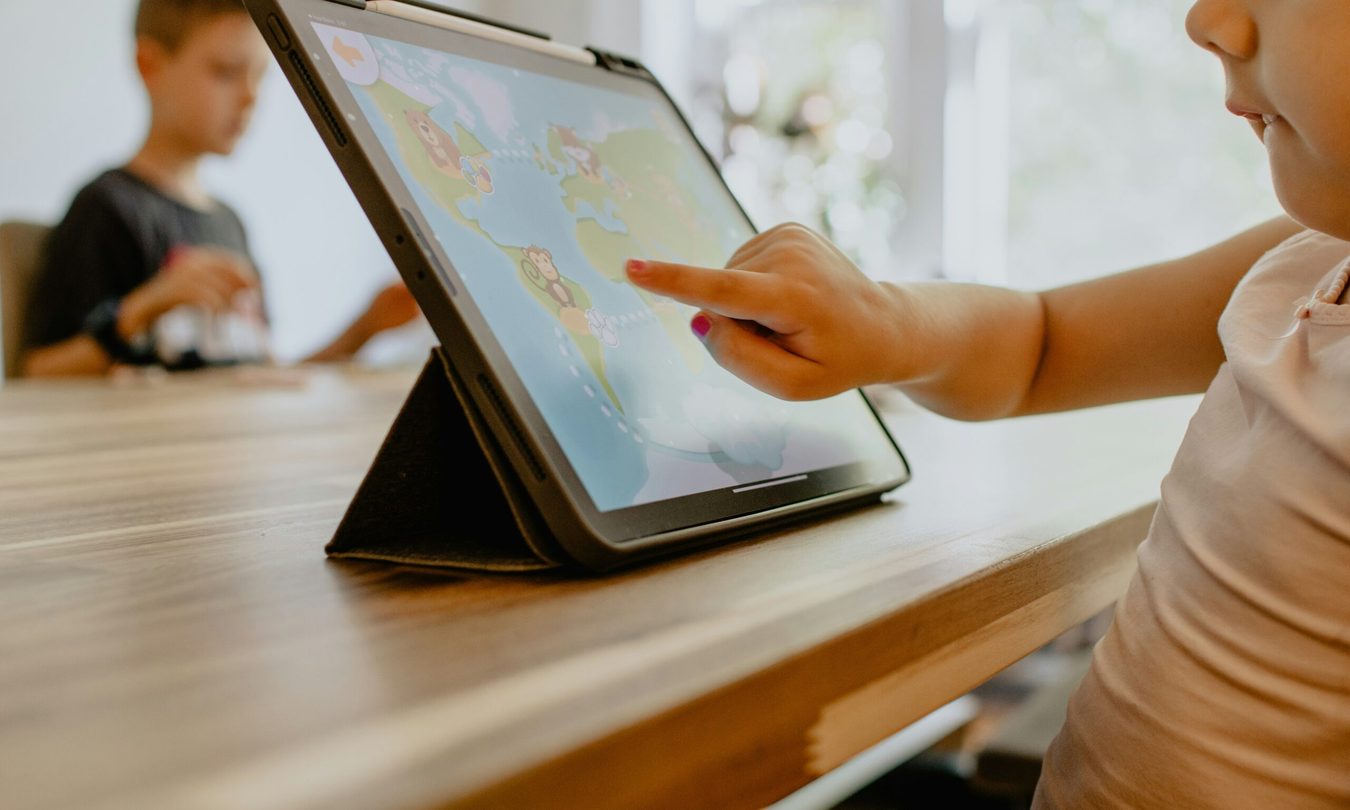
Kid using an iPad

Screens have become the digital pacifier for many babies. Phones and tablets are used during feeding, bedtime, chores, and moments when parents need a break. A major new study now warns that regular screen use before age two may carry developmental risks.

Researchers from four UK universities say babies and toddlers under two should avoid regular intentional screen time. The review links higher screen exposure in the first two years with sleep problems, language delays, behavioural difficulties, obesity risk, short-sightedness, and later problems with friendships and social interactions.

Read more
I tried the AI-powered Extend photo trick in iOS 27, and it blew past my expectations
The Extend feature won't fool everyone, but for casual social media edits, it's surprisingly easy to rely on.
Photography, Wood, Electronics

I wasn’t among the first to install the iOS 27 developer beta, but once I did, I began appreciating the changes Apple has made. The Photos app, in particular, has received one of its most substantial upgrades, adding an improved Clean Up tool, Spatial Reframing, and the new Extend feature, the one I was most eager to try. 

After spending some time with it on my iPhone 17, here’s how the tool has performed so far. Spoiler alert: it’s one of the most substantial additions to Apple’s previously slim lineup of AI features. I’ve tried the feature on several different photos, including a selfie I took in front of a dam in northern India, photos of food items on a table, and shots taken indoors and outdoors.

Read more