1. Home
  2. Phones
  3. News

It’s not just the screen time, but how often you pick a phone that’s hurting your brain

Why "just checking" your phone is hurting you more.

Add as a preferred source on Google
Google Pixel 10a home screen
Nadeem Sarwar / Digital Trends

For years, screen time has been treated as the main culprit behind stress caused by smartphones. But new research suggests that we’ve been worrying about the wrong metric.

A study from Aalto University found that frequent, fragmented phone use is the primary driver of information overload and not total screen time.

Recommended Videos

So it’s not the hours that matter most, it’s how often you interrupt yourself.

What’s the problem with checking your phone?

The study tracked nearly 300 participants over several months, which combined usage data with self-reported mental strain. What stood out during this period wasn’t the heavy usage. Rather, users who constantly pick up their phones for short bursts reported higher levels of overload.

This kind of behavior that involves quick checks, app switching, and short interactions, creates a pattern of continuous interruptions. So it appears to be more mentally taxing than longer, uninterrupted sessions.

Why this hits harder than long usage

The key issue here is attention.

Every time you check your phone, your brain has to shift focus, process new information, and re-engage with whatever you were doing before. Do that dozens or even hundreds of times a day, and the cognitive loads start to add up.

The study calls this fragmented use, which suggests that the pattern is what leads to feelings of being overwhelmed.

This changes how we think about phone habits

When talking about digital well-being, the most common answer is to reduce screen time. But this research points to a different problem entirely. Someone who spends hours watching a single video will end up feeling less overwhelmed than someone who checks their phone every few minutes.

Vikhyaat Vivek
Vikhyaat Vivek is a tech journalist and reviewer with seven years of experience covering consumer hardware, with a focus on…
Finding photos is so much easier with Siri AI in iOS 27 that I no longer scroll
Natural language photo search in iOS 27 is the kind of feature that quietly becomes essential.
Electronics, Phone, Mobile Phone

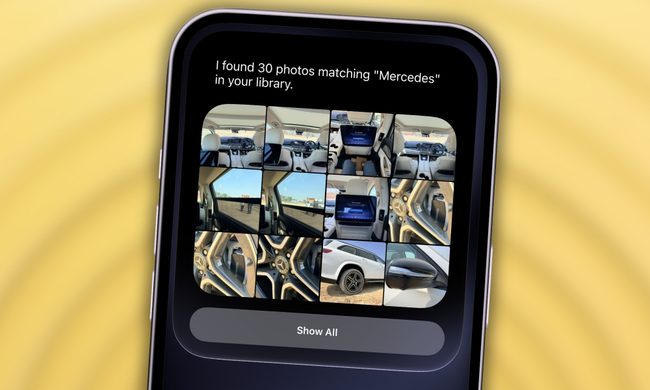
My camera roll has crossed 8,000 photos, and it got there by capturing random moments (only to forget them later). The problem, however, starts when someone asks me to share something specific. It could be their portrait from last weekend or the food pictures they snapped using my phone.

Finding those pictures usually means scrolling through my seemingly endless camera roll. If the photo is a month or two old, I end up scrolling past hundreds of other images to find it, and that gets old fast.

Read more
WhatsApp clears that usernames won’t leave you open to scammers
New safeguards include username keys, rate limits, and anti-impersonation protections.
Whatsapp Usernames Whatsapp Username

WhatsApp's long-awaited username feature is now officially rolling out to users. But almost as soon as it was announced, many began asking an obvious question: won't this make it easier for scammers to message strangers? Now, WhatsApp has stepped in to explain why it believes that won't happen.

WhatsApp says usernames aren't as open as Telegram's

Read more
Forget Apple’s AirTag, Motorola’s new Android tracker lasts over 500 days and costs less too
Moto Tag 2 could be the AirTag Android users actually buy
Moto Tag 2 with car keys

Motorola is finally bringing out its second-generation Android smart tracker. While Apple's AirTag has been hogging the limelight, the Moto Tag 2 is the new rival in town, arriving in North America starting June 30. It brings UWB (Ultra Wideband) tracking support, Bluetooth Channel Sounding, and Google Find Hub support in a compact tracker built for keys, bags, luggage, camera gear, and anything else people keep misplacing.

The real headline, though, is the battery life. Motorola claims that this is its longest-lasting smart tracker yet, with more than 500 days of battery life from a replaceable CR2032 battery.

Read more