1. Home
  2. Emerging Tech
  3. News

Can AI fix loneliness? The answer is… complicated

Studies show benefits, but also growing risks.

Add as a preferred source on Google
Man rubs his temple and looks at laptop
Freepik

Loneliness has quietly become one of the biggest modern problems, and now, AI is stepping in as an unlikely companion. A new study led by Aalto University, set to be presented at CHI 2026, explores how AI companions impact users over time. And the results are a bit of a mixed bag.

While interacting with AI companions can help users feel supported and less alone, the study also found signs of increased emotional distress in their online language over time, suggesting the relationship isn’t as simple as it seems.

Can AI really make people feel less lonely?

According to recent studies, yes. Well, at least to a certain extent. Research shows that interacting with AI companions can reduce feelings of loneliness, sometimes producing effects comparable to human interaction in the short term.

The reason is fairly straightforward. These tools are always available, non-judgmental, and designed to listen. For someone dealing with isolation, that kind of constant presence can be surprisingly powerful. In fact, many users report feeling “heard” by AI in a way that helps them open up emotionally.

Recommended Videos

There’s also a practical angle here. Not everyone has easy access to social support, whether due to geography, lifestyle, or personal circumstances. AI fills that gap by offering instant, one-on-one interaction at any time of day.

But is this comfort actually a good thing?

Here’s where things get complicated. While AI companions can ease loneliness, experts warn they could also reshape how people connect, potentially weakening real-world social skills or creating unhealthy dependence over time. There’s also an ethical concern, as replacing human interaction with AI might do more harm than good for vulnerable users.

In a way, that tension defines the space right now. AI can comfort and support, but it’s not a true substitute. After all, a great listener isn’t the same as someone who genuinely understands you.


Varun Mirchandani
Varun is an experienced technology journalist and editor with over eight years in consumer tech media. His work spans…
Google Flow Music Spaces is becoming an all-in-one AI music studio
The latest update brings song editing, stem splitting, image generation, lyrics, and video creation into a single workspace.
Google Flow Music Featured

The company has announced a major update for Flow Music Spaces, bringing a suite of new AI-powered creative tools directly into collaborative workspaces. Instead of jumping between different apps or sessions, users can now generate and edit songs, split audio stems, create images, write lyrics, and even generate videos without leaving a Space.

What's new in Flow Music Spaces?

Read more
A Florida pastor asked ChatGPT if he was okay. It nearly got him killed.
When "just relax and recover" turns out to be the worst medical advice you could get.
ChatGPT on iPhone

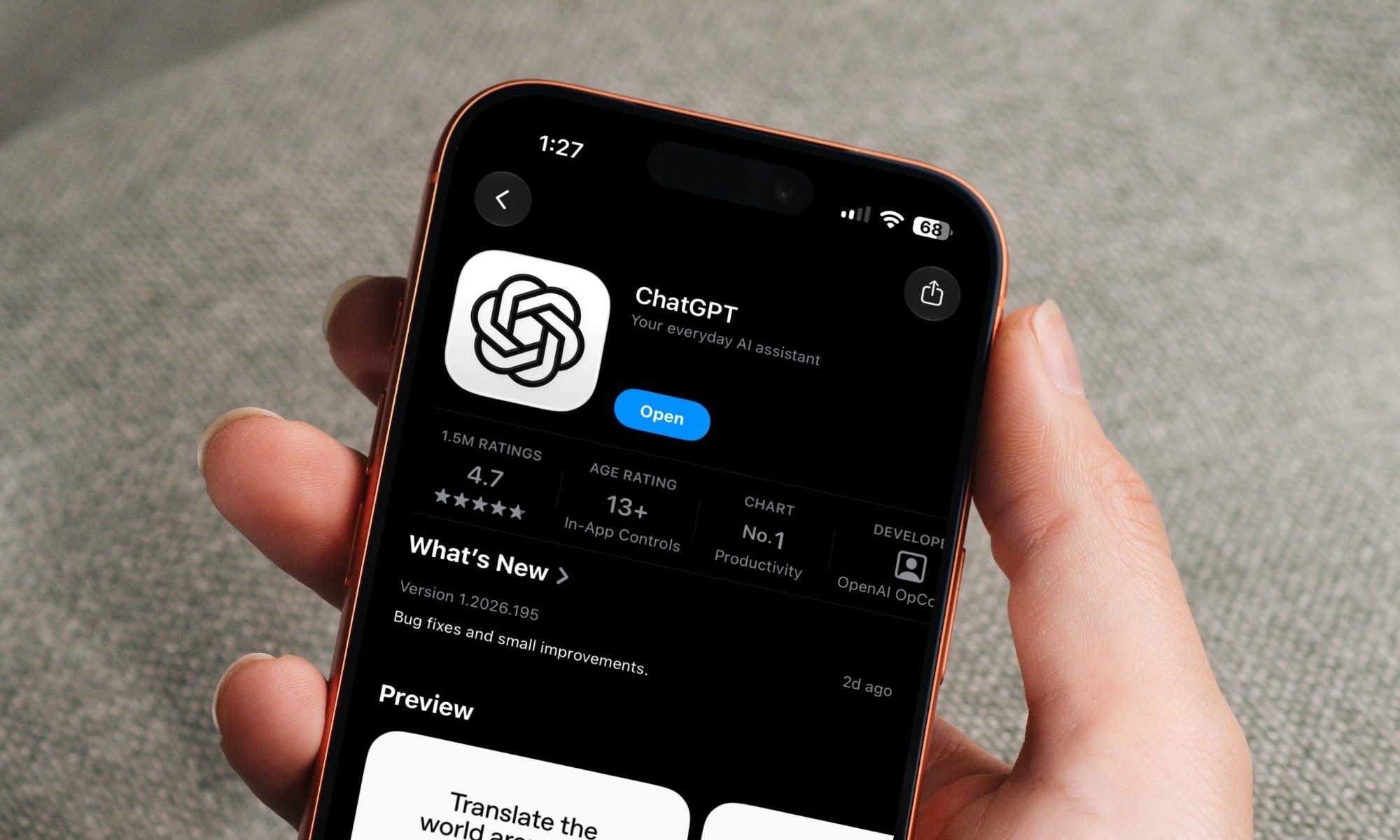
Scott Winters, a pastor from Florida, is suing OpenAI after ChatGPT allegedly gave him what his lawsuit calls "extremely dangerous" medical advice, advice that nearly cost him his life.

What happened to the pastor?

Read more
Scientists made robots curious like toddlers, and it helped them learn language twice as fast
Give a robot curiosity, and it starts learning language (and misbehaving) just like a toddler.
robots and kids photo

Scientists have been trying to figure out how kids pick up language so fast for decades, and a new study out of the Okinawa Institute of Science and Technology (OIST) might have cracked part of the puzzle: curiosity.

Researchers built a virtual robot with a brain-inspired neural network and set it loose in a simulated 3D world full of shapes, colors, and simple commands like "push left magenta dumbbell." 

Read more