1. Home
  2. Computing
  3. Legacy Archives

Sony Vaio X Series

Add as a preferred source on Google
Sony Vaio X Series
Image used with permission by copyright holder

Move over, MacBook Air. Although Dell already ripped up Apple’s envelope with the thinner-than-Air Adamo, Sony has set its own sights on the King of Thin, and the resulting Vaio X Series should put both imitator and imitated to shame.

Sony teased the Vaio X at this year’s IFA conference in Berlin, which essentially functions as the European version of CES. With no spec sheet or press release to be found, all we know are the bare essentials from Sony’s press conference: the screen spans 11.1 inches, the whole laptop measures only 0.55 inches thick (compared to 0.76 inches on the Air), and Sony has wrapped it in so much carbon fiber that its total weight comes to only 1.5 pounds. That’s just a smidge heavier than the almost-pocketable and highly flippable 1.4-pound Vaio P.

Sony Vaio X Series

The Vaio X shown at IFA used the Intel Atom processor typically found in netbooks, but Sony has pledged that its choice of hardware is not yet final. (That should be reassuring news for those who have dealt with the similarly sexy but critically crippled Vaio P.) Sony has also promised a work day of battery life, and the option for a built-in 3G modem. The engineering prototype includes two USB ports, a memory card reader, Ethernet jack, and VGA video output. In the same weight-saving spirit that drove the need for a carbon-fiber shell, the keyboard is milled from aluminum.

Recommended Videos

Unlike the far-away products previewed at CES, most products shown at IFA come down the pipe in the near future, and Sony has said the Vaio X will go on sale in the week following the Windows 7 launch on October 22. However, many products shown at IFA appear only in European markets, so it could be some time until the Vaio X floats its way over the U.S. As for price, none has yet been announced, but most industry commentators expect Sony to debut it for under $2,000 to compete with the likes of the Air and other ultralights such as the Dell Adamo and Lenovo X301.

Nick Mokey
As Digital Trends’ Editor in Chief, Nick Mokey oversees an editorial team covering every gadget under the sun, along with…
Windows 11 Search is getting bigger, but only by 4 pixels
The change could be in preparation for the upcoming Ask Copilot feature
Windows 11 Laptop

If you have used Windows 11 Search after the June update, you may have noticed it feels a little less annoying. Microsoft recently made the Start menu and Search more responsive, and also fixed one of Search’s stranger limits by letting it find local files using just two characters.

Now, the company appears to be making a much smaller change. According to Windows Central, Microsoft accidentally revealed that the search box in the Taskbar and Start menu is getting 4 pixels taller. Four pixels sounds like the kind of change only a UI/UX designer could love, but screenshots from the Insider Preview build suggest it is visible once you know where to look.

Read more
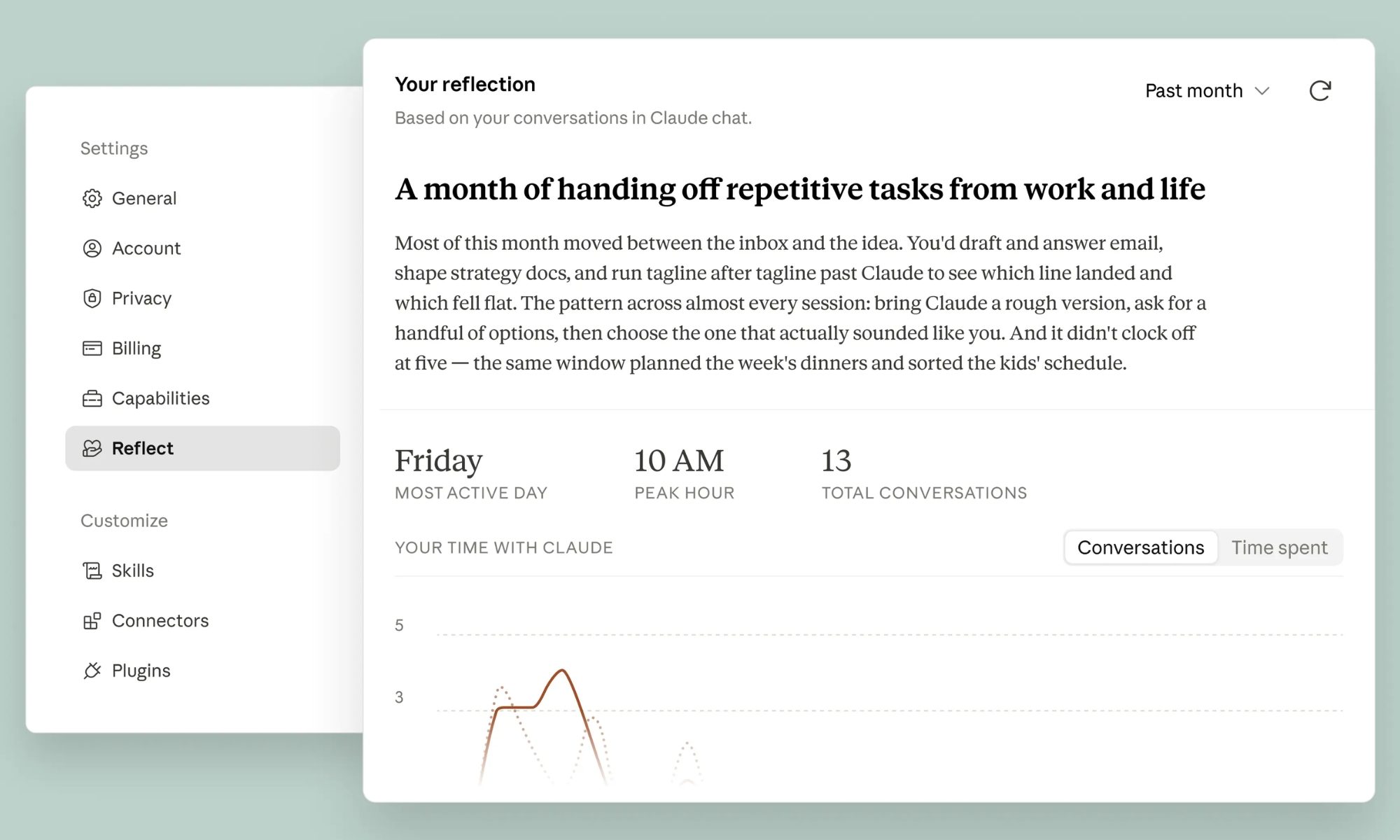
Claude Reflect is here. It’s your usual yearly Wrapped, but with Anthropic’s AI
It also makes you reflect on your usage and reminds you to take breaks.
Page, Text, Business Card

Anthropic just launched a usage analytics dashboard for Claude. It’s like the ‘Wrapped’ feature you see every major streaming or AI service announce at the end of a year, except it’s not called Claude Wrapped.

The feature is called Claude Reflect, as it does more than simply tell you what you’ve been using the AI for. Available in beta for free, Pro, and Max users who have enabled memory, the feature encourages mindful use of Claude or other AI tools. 

Read more
Parents worry AI is becoming a crutch for their kids while schools struggle to keep up, survey finds
Only 1 in 3 schools has AI guidelines as nearly 50% parents grow anxious about kids leaning on AI too much.
a boy using iPhone

Kids are using AI for their homework, and half of their parents are not sure that's a good thing. Deloitte's 2026 Back-to-School Survey, which polled 1,207 parents of K-12 students, found that 49% worry their child relies on AI too much.

The findings suggest AI adoption is moving far faster than the policies meant to guide it, leaving many parents unsure how these tools are being used in education.

Read more