1. Home
  2. Audio / Video
  3. News

These camera-equipped earbuds offer a wild glimpse at the future of AirPods

These experimental earbuds show how AirPods could get a lot smarter

Add as a preferred source on Google
A team of researchers at Washington University built VueBuds TWS with a built-in camera
University of Washington

Wireless earbuds have already become the default wearable for a lot of people. This is why this new research feels more interesting than yet another smart glasses demo. Researchers at the University of Washington have developed VueBuds, a prototype system that adds tiny cameras to off-the-shelf wireless earbuds so users can ask an AI model about whatever is in front of them.

How does this work?

In the example used by the university, someone can look at a Korean food label and ask for a translation, then hear the answer back through the earbuds. VueBuds captures low-resolution black-and-white still images and sends them over Bluetooth to a nearby phone or device. A small AI model running locally then answers questions in about one second. That local processing is a big part of the project’s appeal, because the team is clearly trying to avoid some of the privacy baggage that comes with smart glasses and always-on cloud vision systems.

The earbuds include a recording light, let users delete images immediately, and keep processing on-device. The hardware compromises are what make the whole thing believable. The cameras are roughly the size of a grain of rice, and the team says they chose low-power, low-resolution grayscale imaging because full-res video would drain battery too quickly and exceed what Bluetooth can realistically handle.

Recommended Videos

The researchers also found that angling each camera outward by 5 to 10 degrees gave a usable 98-108 degree field of view, while stitching the two earbud images into one helped cut response time to around one second instead of two.

Why this feels like a glimpse of future AirPods

Senior author Shyam Gollakota said the team wanted to explore visual intelligence in earbuds partly because smart glasses and VR headsets have not seen broad mainstream adoption, and because those products often come with stronger privacy concerns. And with rumors of Apple working on AirPods with built-in cameras

That idea also lines up neatly with recent AirPods chatter. Apple has reportedly been exploring future AirPods with tiny infrared cameras or sensors that could improve spatial awareness and unlock new AI-assisted features without dramatically changing how the earbuds look or what they cost. This doesn’t mean that VueBuds is secretly a preview of Apple’s exact roadmap. But it does make the bigger concept feel a lot less far-fetched.

Vikhyaat Vivek
Vikhyaat Vivek is a tech journalist and reviewer with seven years of experience covering consumer hardware, with a focus on…
I desperately want a new classic Walkman, but Sony probably can’t give me one
Tech minimalism is begging for a new Walkman. Though rebuilding it may be close to impossible
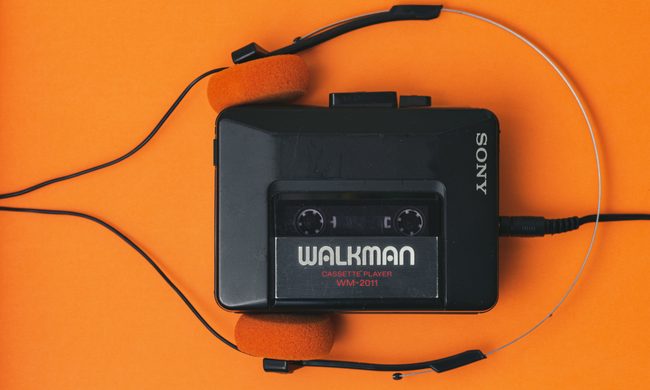
Sony Walkman WM2011

Every few months, another piece of tech that seems obsolete crawls out of a drawer and becomes cool again. The age of minimalism has revived the popularity of iPods among younger buyers. Dumbphones have become an escape hatch from endless notifications. Similarly, digital cameras are dangling from bags again. Physical media keeps attracting people who want something they can actually hold instead of another frustrating subscription.

All of this makes it the perfect time for Sony to bring back the classic Walkman, which was a phenomenon during the 80s and 90s. I would love one. Give me a compact cassette player, physical buttons, and wired headphones. Keep the apps, notifications, and algorithms that shape your taste of music. No more AI assistants or personalzied feeds, just you and your Walkman. There is only one problem though. Recreating the Walkman that people love and remember, would be far harder than putting an old design back into production.

Read more
Proton reveals how smart TVs track you and the escape situation is pretty grim 
Modern smart TVs fingerprint your screen content at the chipset level.
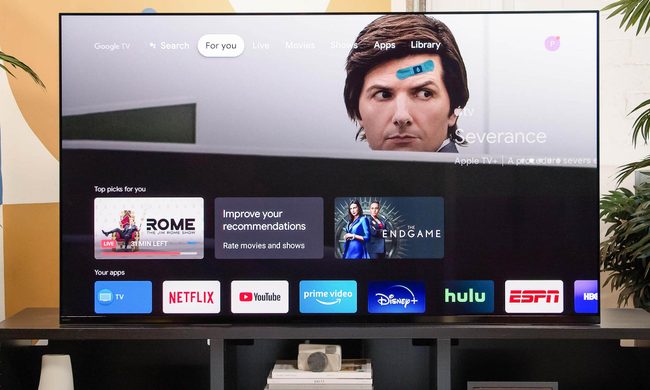
Google TV applications on the Sony A95K TV.

Your smart TV may know far more about your viewing habits than you realize, even if you rarely use its smart features. In a new privacy explainer, Proton warns that many modern TVs quietly collect data about everything displayed on the screen and share it with manufacturers, advertisers, and analytics companies.

The worrying part is that escaping this tracking is becoming increasingly difficult because many privacy controls are buried deep in settings or enabled by default. Proton argues that buying a smart TV today often means accepting a level of surveillance that most people never knowingly signed up for.

Read more
LG is cracking down on smart TV apps that quietly turn your TV into a secret proxy
LG OLED Settings

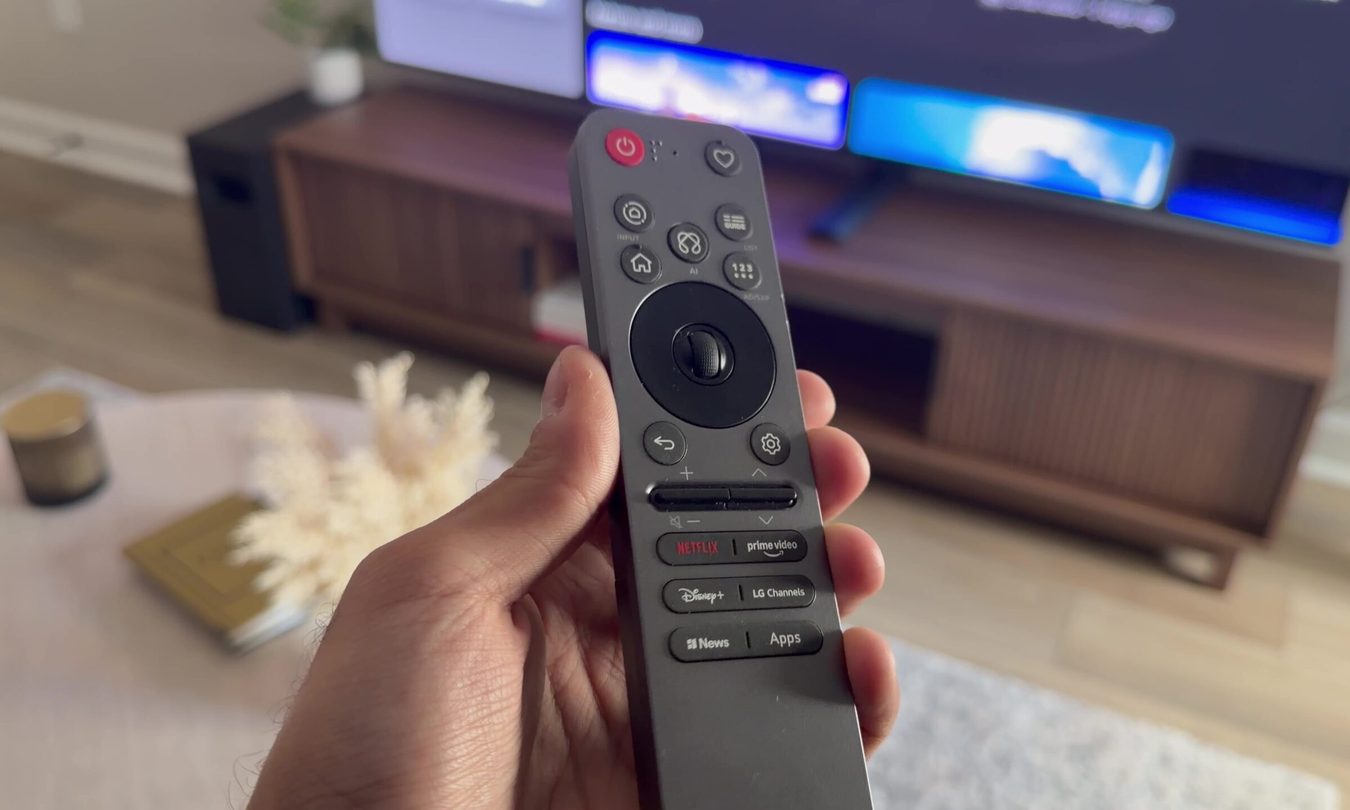
If you own an LG smart TV, there's a chance one of your harmless-looking apps has been moonlighting as an internet relay for someone else's traffic. According to a report from KrebsOnSecurity, LG says it's finally stepping in to stop this menace. This week, the company confirmed it plans to suspend any webOS app that turns a TV into what's called a residential proxy node.

The move follows a report from security firm Spur, which found that more than 42 percent of apps on LG's webOS store include SDKs that quietly reroute internet traffic through your TV, indefinitely. Samsung isn't spared either, with over a quarter of Tizen apps carrying similar code.

Read more