1. Home
  2. Computing
  3. News

Window’s Secure Boot certificates are expiring in June — here’s what you need to do

Add as a preferred source on Google
Windows 11 Laptop
Microsoft

If you’ve never heard of Secure Boot certificates, that’s by design — they work quietly in the background, and for most of the past 15 years, nobody’s had to think about them. That’s about to change. The original certificates that power one of Windows’ most fundamental security features are set to expire in June 2026, and depending on which PC you’re running and which version of Windows you’re on, the fallout could range from a seamless automatic update to a security headache you’ll need to solve yourself.

Your PC isn’t going to die, but it might get a lot less safe

Secure Boot is what protects your machine during the boot process — before Windows even finishes loading. The certificates that underpin it are expiring, and while Microsoft has been pushing updated versions through Windows Update, not everyone is eligible to receive them automatically. Windows 11 users on modern hardware should be fine. Everyone else needs to pay attention.

To check where you stand, open PowerShell as an administrator and run: 

Recommended Videos
([System.Text.Encoding]::ASCII.GetString((Get-SecureBootUEFI db).bytes) -match 'Windows UEFI CA 2023'). 

True means you’re already sorted. A False means you need to check for pending Windows Updates immediately — or hunt down a firmware update from your PC manufacturer.

Windows 10 without ESU are getting left behind again

This is where it gets genuinely frustrating. Microsoft officially ended Windows 10 support in October 2025, but offered an Extended Security Update (ESU) program as a one-year stopgap. Windows 10 PCs enrolled in ESU will receive the new Secure Boot certificates. Those that haven’t enrolled won’t — and with around 400 million PCs already locked out of Windows 11 by its hardware requirements, that’s an enormous number of machines quietly losing another layer of protection. The enrolment window for ESU is still open until October 14, 2026, so if you’re a Windows 10 holdout, that’s your most practical move right now.

Shimul Sood
Shimul is a contributor at Digital Trends, with over five years of experience in the tech space.
The maker of ChatGPT wants to make open-source projects less of a security bargain
OpenAI launches Patch the Planet for open-source security, with over 30 open-source projects on board.
openai-chatgpt-os

OpenAI has launched Patch the Planet, a new initiative aimed at fixing one of the internet's quietest problems – the chronically underfunded security of open-source software.

Patch the Planet pairs OpenAI's most security-capable AI models with Trail of Bits, a security firm that has committed its entire research organization to the effort, alongside support from HackerOne and Calif.

Read more
I sifted through the Prime Day chaos to find the best Apple deals actually worth buying
Apple's about to hike prices. Prime Day 2026 is your last chance to save up to $150 on MacBooks, AirPods, and iPads.
Prime Day Deals on Apple Products

Apple is set to increase the prices for its upcoming iPhones and MacBooks, as the company can no longer offset the rising RAM and storage costs. That means, if you are looking to upgrade your aging device, you should buy the current-generation Apple products rather than wait for the new ones.

And since Amazon Prime Day is offering good discounts on the latest iPhones, iPads, MacBooks, and other Apple accessories, this is the perfect time to buy them. Here are my favorite Amazon Prime Day deals for Apple products. 

Read more
This sneaky photo trick gets AI chatbots to ignore their safety rules
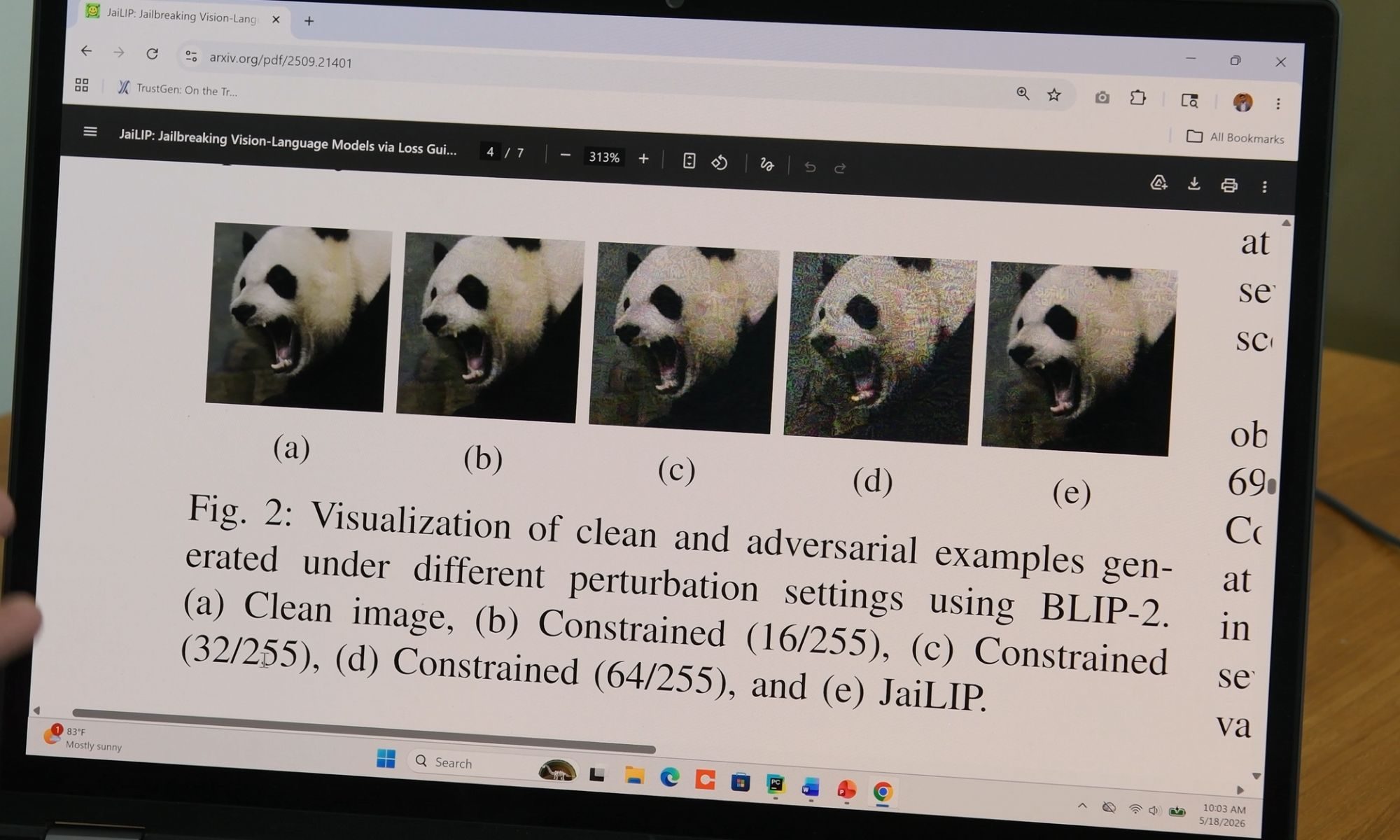
Florida International University researchers built a method that nearly doubled the rate of harmful responses from a tested AI model using nothing but pixel-level edits in an image.
JaiLIP AI chatbot exploit image

A photo that looks completely ordinary to you could carry a hidden instruction to trick an AI chatbot into ignoring its safety rules, according to new research out of Florida International University. The study found that pixel-level alterations in an image that are invisible to the human eye can be enough to confuse the model reading the image and lead it to generate responses it would normally block.

Hacking what the AI sees

Read more