1. Home
  2. Computing
  3. Phones
  4. Wearables
  5. News

Apple wants you to verify your identity before you get Education discount on products

Apple moving the US Education Store off the honor system also seems about making a globally consistent verification infrastructure that could eventually support more aggressive Education Store expansion.

Add as a preferred source on Google
Computer, Electronics, Laptop
Nadeem Sarwar / Digital Trends

Getting an Apple Education discount in the United States used to be as simple as claiming you’re a student or a teacher; it didn’t need a formal verification. That era is officially over. 

Starting May 8, 2026, Apple now requires formal identity verification for all Education Store purchases in the US, ending the informal honor system that was in place for years (via MacRumors). 
What does the new verification process involve?

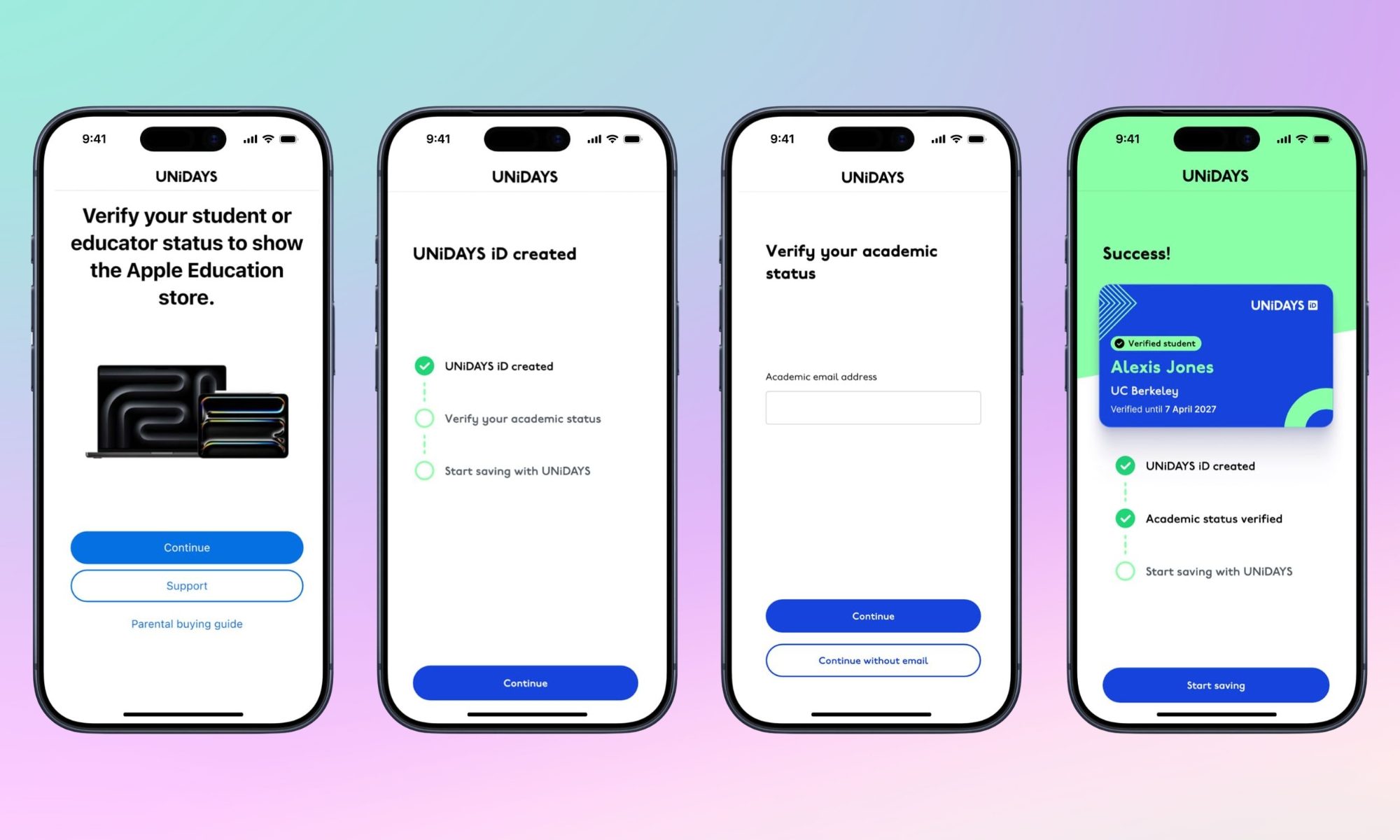
Apple has partnered with UNiDAYS to handle the Education Store eligibility test. To avail the Education Store discount, students and teachers must create a UNiDAYS ID and verify their academic status either by logging into their school’s academic portal or uploading a picture of their identity card (issued by the educational institute). 

Recommended Videos

Homeschool teachers need to provide a government-issued identity document, such as a driver’s license, state ID, or passport, alongside a homeschool document like a Letter of Intent or Letter of Acknowledgement. 

Once buyers provide the required details, UNiDAYS will verify them almost instantly. If someone requires a manual review, they should receive a response within a day of submitting the documents. It’s worth mentioning here that the same process applies, whether you buy online or walk into an Apple Store.

Who qualifies for the Education Store discount?

The change in the process also applies to markets like Canada, Chile, Australia, Hong Kong, and Turkey. 

While the verification process is a bit more tedious than it used to be, the eligibility criteria remain the same: current and newly accepted college students, their parents, faculty, staff, and homeschool teachers across all grades. 


The purchase limits remain unchanged. Eligible buyers can only buy one MacBook, one iMac, one Mac mini, up to two iPads, and two accessories every year. On a related note, the Apple Watch is now available at a discounted price via the Education Store, including the Series 11, SE 3, and the Ultra 3. 

Shikhar Mehrotra
For more than five years, Shikhar has consistently simplified developments in the field of consumer tech and presented them…
Apple’s historically high tax for RAM upgrades on Macs has now become absurd
Mac RAM upgrade prices have doubled amid the global memory crunch
MacBook Pro.

Apple’s Mac RAM upgrades were already expensive enough to raise eyebrows. After the company’s latest round of price hikes, some of them now look ridiculous.

Apple recently raised prices across its Mac and iPad lineup, along with other products, citing rising memory and storage costs. The supply crunch is real, but Mac buyers were paying steep premiums for RAM and SSD upgrades long before this jump. Recent MacBook Pro configuration screenshots shared by 9to5Mac show how much worse the upgrade path has become.

Read more
Windows 11 is getting a new Screen Tint mode, and your eyes might thank Microsoft
Users can apply custom color overlays to reduce screen intensity and visual fatigue.
Windows 11 on a laptop

Microsoft is testing a new accessibility feature for Windows 11 called Screen Tint, and it could be one of those small additions that make a surprisingly big difference. Instead of changing your display's color temperature like Night Light, Screen Tint applies a customizable color overlay across the entire screen, making bright displays easier on the eyes during long work or gaming sessions.

A softer screen for tired eyes

Read more
Apple’s looking at a politically radioactive fix for the memory crisis, and the US government isn’t happy about it
Apple blamed memory costs for your price hike. Its proposed solution involves a Pentagon blacklist.
Apple Mac Mini on a Desk

A few days ago, Apple announced an ugly mid-cycle price hike, blaming the worsening-by-the-day memory crisis. According to the Financial Times, the company is now lobbying the government for approval to buy memory chips from a Chinese company. 

The company in question is CXMT, a Chinese chipmaker that the Pentagon added to its Chinese Military Company blacklist for alleged ties to the Chinese army.

Read more