1. Home
  2. Computing
  3. News

Copilot is getting a sidebar treatment for Windows 11, just like Gemini in Chrome

Microsoft is bringing back Copilot's original sidebar concept for Windows 11, this time with left and right docking options and proper desktop integration.

Add as a preferred source on Google
Text, Computer Hardware, Electronics
Shikhar Mehrotra / Digital Trends

Microsoft has redesigned Copilot for Windows 11 more than a couple of times. Its latest idea, however, is based on one that it already tried and abandoned: docking the AI assistant to the side of your screen so that it remains accessible even when you’re using other apps. 

By default, Microsoft’s AI assistant still opens as a standalone app (in a separate window). But hovering over a new dropdown menu in the title bar now offers dedicated window snapping options that let you dock it to either the left or right edge of the screen (via Windows Latest).

What is the new Copilot sidebar, exactly?

It might look like the snapping interface is similar to Windows 11’s native Snap Layouts, but that’s not the case. Copilot gets dedicated layout options, independent of the standard window snapping experience on the operating system. 

Recommended Videos

It’s a persistent sidebar that stays pinned while you work, and not a floating window that you have to constantly manage. A picture-in-picture mode is also available for users who want the AI assistant visible but less intrusive.

Once you dock Copilot, the operating system automatically resizes everything else around it. For instance, Windows 11 repositions the active apps to fill the remaining screen space, while the desktop watermark shifts to the other side. 

Hasn’t Microsoft tried this already?

Yes, and that’s where things get more interesting. Copilot originally shipped on Windows 11 as a sidebar that sat alongside your apps, so you could ask it questions about the on-screen content.

Later, Microsoft scrapped the design in favor of a standalone app, which was later converted into an Edge-based web wrapper. According to the Windows Latest report, which spotted the new docking behavior, the original sidebar implementation failed because it was built entirely on web technologies. 

The new version, however, gives users meaningful control over placement, something that the initial version never offered. Although it’s not immediately clear whether Copilot Vision will trigger automatic docking when activated, the new docking behavior is rolling out gradually. 

Shikhar Mehrotra
For more than five years, Shikhar has consistently simplified developments in the field of consumer tech and presented them…
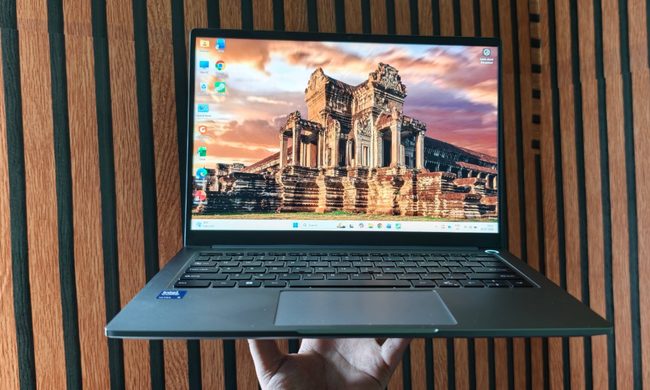
Chuwi CoreBook Air review: A rewarding budget laptop that wants you to cross the brand boundary
Chuwi's CoreBook Air is a relatively unknown, but a heavy-hitting budget machine for the AI-first computing era.
Computer, Electronics, Laptop

View at Chuwi

Quick verdict

Read more
AI’s latest problem is deepfake disaster content for farming engagement
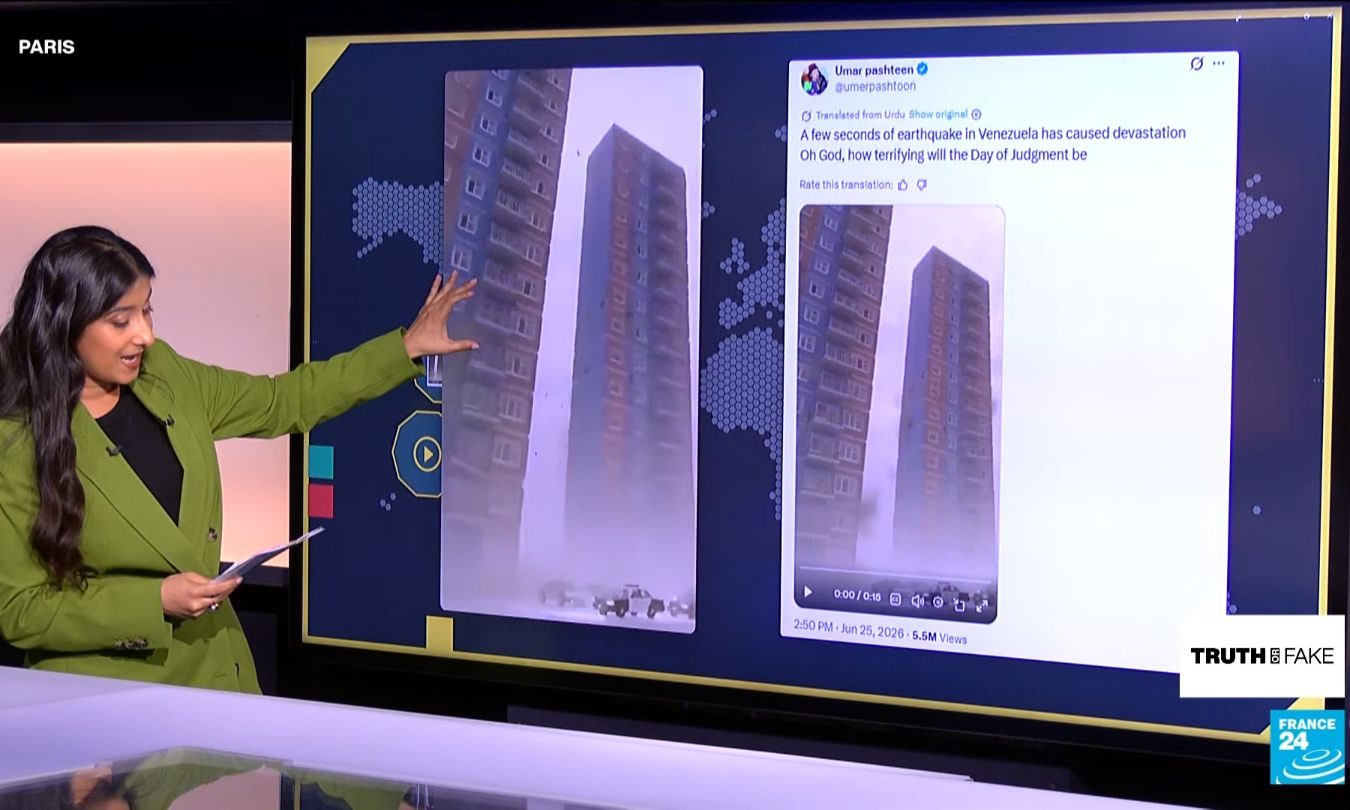
Fake and recycled videos from disasters in Venezuela and China are making social media feeds harder to trust when people need accurate updates quickly
Electronics, Screen, Adult

Social feeds around the earthquakes in Venezuela filled with recycled footage and AI-generated destruction. Severe weather in China attracted its own wave of AI disaster videos, including fabricated flood scenes and false reports of power outages.

It creates an ugly race. People want immediate evidence of what happened, and AI slop can deliver something dramatic before reliable information catches up. Authentic updates are left competing with fiction precisely when confusion can send people scrambling for answers.

Read more
Think twice before downloading your next Windows 11 app from Google
Your Windows app search results have become a malware minefield
Windows 11 Laptop

Searching Google for a Windows utility and clicking the first convincing result has always carried some risk. A newly uncovered network of fake websites has made that familiar habit considerably more dangerous. More than 70 domains were found impersonating popular Windows apps. This includes Microsoft PowerToys, CrystalDiskMark, EasyBCD, Wintoys, Lively Wallpaper, and SignalRGB.

Windows Latest reports that many of the lookalike sites appear above the genuine project pages in Google results, despite having no connection to the developers behind the apps. Some currently redirect their download buttons to legitimate Microsoft Store pages, which may be part of the attack.

Read more