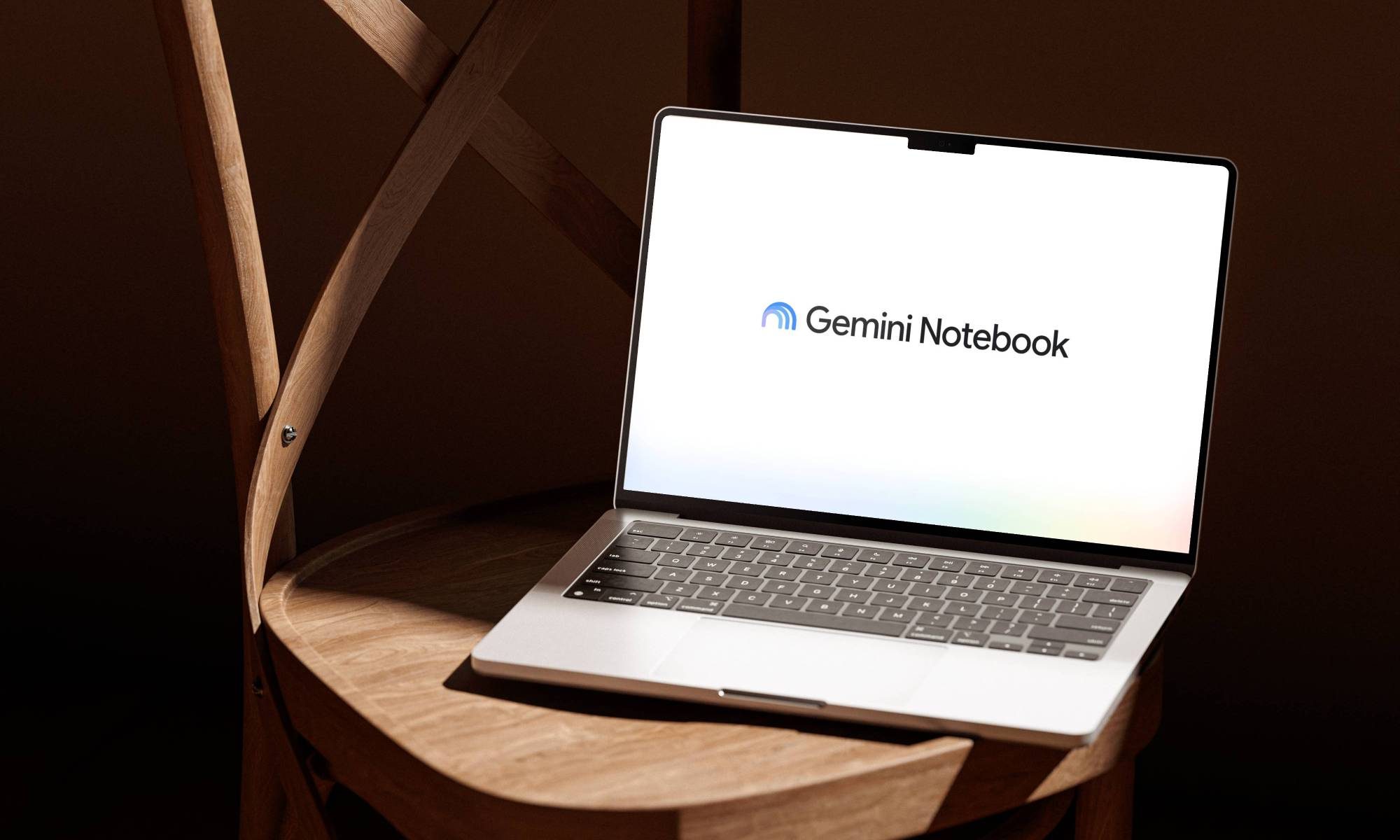
Googlebook could show up with far more hardware than expected. Chrome Unboxed, citing device activity it found in the Chromium Gerrit, says as many as eight models are being tracked for a fall launch, with signs pointing to Intel, Snapdragon, and MediaTek hardware from major PC partners.
That’s a lot to sort through if you’re shopping for a Chromebook, Android tablet, Windows laptop, or MacBook later this year. A bigger first wave would give buyers more ways into Google’s new laptop push, but you’ll still need confirmed specs, prices, regions, and release dates before making a smart call.
How many Googlebooks are coming
The clearest trail starts with Intel. Four devices tied to the Fatcat baseboard are being tracked, with the codenames Felino, Lapis, Moonstone, and Ruby connected to brand-specific boot screen work.

That boot screen clue carries weight because the report identifies it as a Googlebook behavior, not standard Chromebook behavior. It also fits with Google’s earlier partner list, which includes Dell, HP, ASUS, Acer, and Lenovo.
Which chips will buyers get
The first Googlebook wave doesn’t look locked to one processor family. Alongside the Intel devices, the report lists three Snapdragon models tied to the Bluey baseboard, with Quenbi, Mica, and Quartz named in the development trail.

MediaTek may have a role too. Sapphire is described as a separate platform built around Kompanio Ultra-class hardware, with the device likely aimed at a thin detachable design. That spread could create real differences in battery life, portability, cooling, and performance, so the chip inside won’t be a small detail.
That mix also raises a buyer question Google will need to answer clearly, whether Googlebook is one consistent experience across chips or a family of devices where battery life, app behavior, thermals, and detachable designs vary more than the branding suggests.
When should you wait
The fall launch window is the next milestone, but buyers shouldn’t treat the eight-device count as a final shopping list. The available information doesn’t include exact configurations, pricing, retail availability, or region-by-region rollout plans.
You’ll be better off watching the first announcements before buying your next laptop. Once Google and its partners confirm the hardware, compare battery life, app compatibility, form factor, and price rather than assuming every Googlebook serves the same kind of shopper.