1. Home
  2. Computing
  3. News

If you have a Mac, you should try this free and beautifully-designed disk space tool

Radix is a free open-source alternative to paid Mac disk analyzers

Add as a preferred source on Google
File, Electronics, Mobile Phone
Colin Kim / Radix

Running out of storage on a Mac is common, but Apple’s built-in storage tools are not always great at showing what is actually taking up space. You usually get broad categories, but finding the exact folders, downloads, app files, or old projects causing the problem can still take some work.

Radix is a free, open-source Mac app that tries to make that process clearer. It is a disk space analyzer that scans a folder, drive, or volume and displays the results in an interactive sunburst chart. Rather than digging through folders manually, you get a visual overview of how storage is being used across your drive.

What does Radix actually show?

Radix uses a circular chart where each ring represents another layer of folders. Larger sections take up more space, so it is easier to spot the files or directories that are using the most storage. You can click into sections to drill down, hover for more details, and sort or filter files by size, name, date, or type.

The app is built with Swift and SwiftUI, and its developer, Colin Kim, says it uses native macOS APIs to keep scanning fast. In a Reddit post, Kim said Radix uses under 100MB of RAM on launch and is designed to handle large scans efficiently.

How does it compare with other Mac tools?

Radix is entering a category with several existing options. DaisyDisk is probably the best-known polished version, but it costs $9.99. GrandPerspective and Disk Inventory X are older free alternatives, while SquirrelDisk is open-source but has not been maintained since early 2023, according to Kim.

Recommended Videos

Radix’s main draw is that it is free, open-source, and more modern-looking than many older disk analyzers. It also supports Quick Look, file metadata inspection, and search across either the current folder or the full scan tree. Everything runs locally, with no account, telemetry, or data collection. Radix supports macOS 14.0 or later.

Sudhanshu Kumar Mangalam
I’ve got about 4 years of experience, mostly covering gaming, PC hardware, and smartphones. In my free time, I like…
Wispr Flow launches an AI note-taker that works without joining calls
The new Wispr Flow tool called Notetaker creates live transcripts, summaries, and follow-up notes
Page, Text

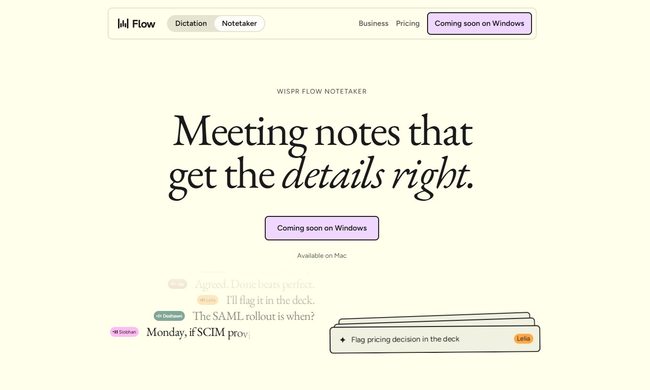
Wispr Flow has launched Notetaker, an AI meeting assistant built into its existing Mac app. It can record conversations, show a live transcript, and prepare notes covering decisions, deadlines, assigned work, and unresolved issues.

Wispr Flow is best known for its dictation tool, which turns spoken thoughts into edited text wherever the user is working. Notetaker takes the company beyond voice typing and applies its transcription technology to meetings, interviews, and in-person conversations.

Read more
Google Assistant finally has a shutdown date, and it’s only weeks away
Google Assistant starts shutting down September 4 as Gemini takes over.
google assistant mobile.

Google Assistant’s long goodbye now has a firm date. Google says it will begin discontinuing the voice assistant on eligible mobile devices on September 4, 2026, according to an email sent to users and shared publicly on Reddit.

The transition may take several weeks, so Assistant won’t vanish from every device at once. Once the change reaches an eligible Android device, Gemini will replace Assistant with no option to switch back.

Read more
ChatGPT Atlas is shutting down and it has some homework left before you migrate
OpenAI is pulling the plug on Atlas, so start packing your bookmarks
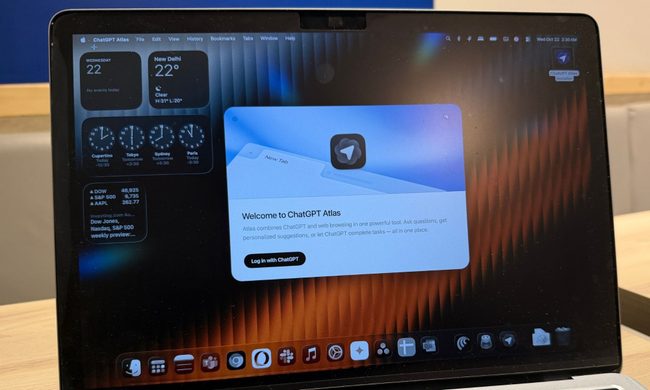
ChatGPT Atlas browser on a MacBook.

ChatGPT Atlas is heading toward an early grave, and anyone still using OpenAI's browser has a small pile of homework to finish before the shutdown. OpenAI has confirmed that Atlas is scheduled to stop working on August 9, 2026.

After that date, the browser may no longer be operational. So users won't be able to browse the web or get access to its agent-powered workflows. Meanwhile, the company is moving those browser-based capabilities into ChatGPT and Codex. But unfortunately, the transition isn't as convenient as users may hope.

Read more