  1. Home
  2. Wearables
  3. News

Solos’ latest AI glasses are getting a literal privacy mode

Solos is pairing its camera-equipped AirGo V2 with a physical Privacy Kit while introducing a camera-free AirGo A6.

Add as a preferred source on Google
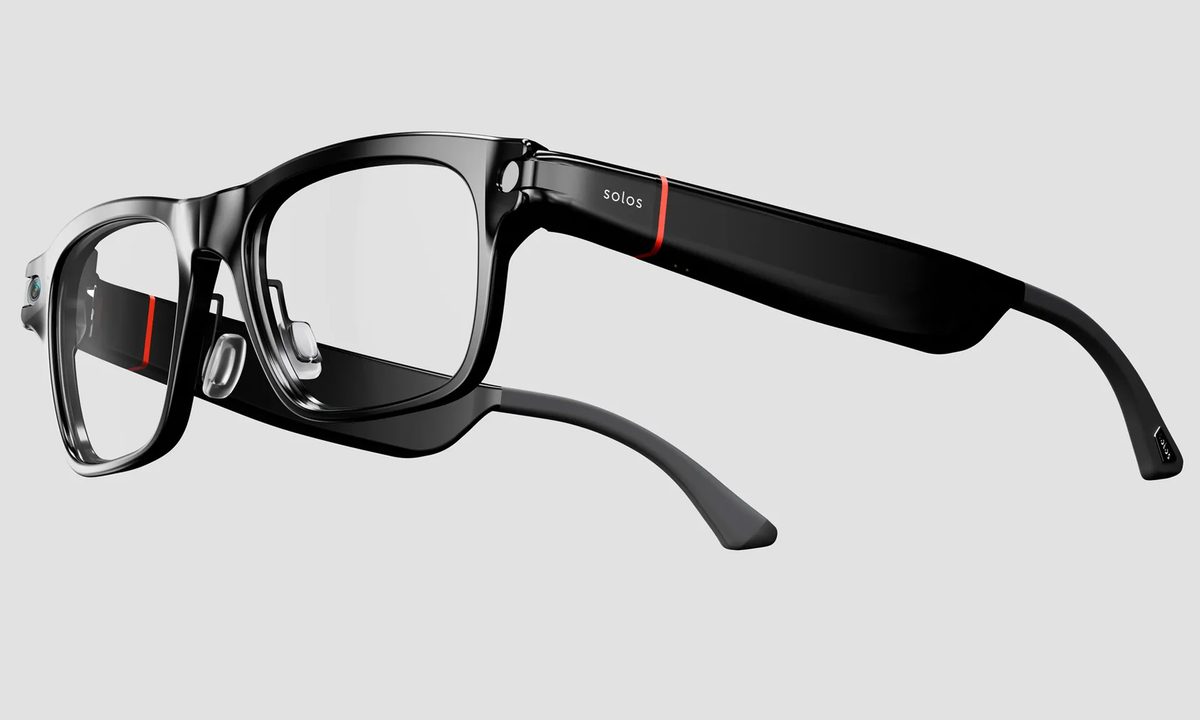
solos AirGo V2 Featured
solos

AI smart glasses have a trust problem. Even when they’re not recording, simply wearing a camera on your face can make people around you uneasy. Solos’ latest answer isn’t another blinking LED or software toggle. Instead, it’s a piece of plastic.

Two different approaches to solving the same problem

The company has unveiled two privacy-focused additions to its wearable lineup: the camera-free AirGo A6 smart glasses and a new Privacy Kit for the AirGo V2 that physically blocks the camera whenever users don’t want it active.
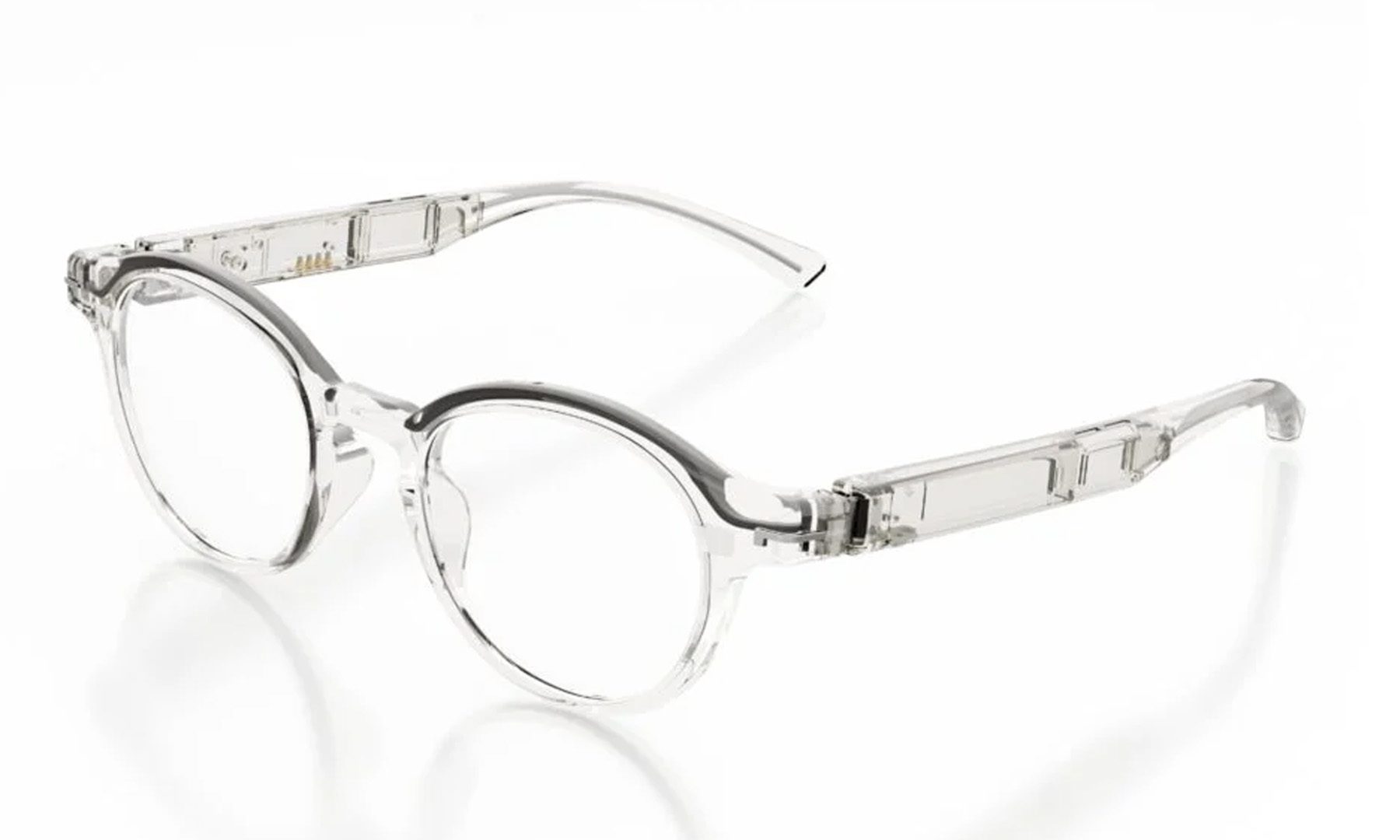
Unlike many AI smart glasses entering the market, the AirGo A6 doesn’t include a camera at all. Instead, Solos has focused on creating a lighter pair of everyday smart glasses that prioritize comfort, privacy, and a more traditional eyewear design. Users still get AI-powered features through the built-in microphones and speakers, including voice assistants, translations, notifications, and hands-free interactions — just without any image capture.
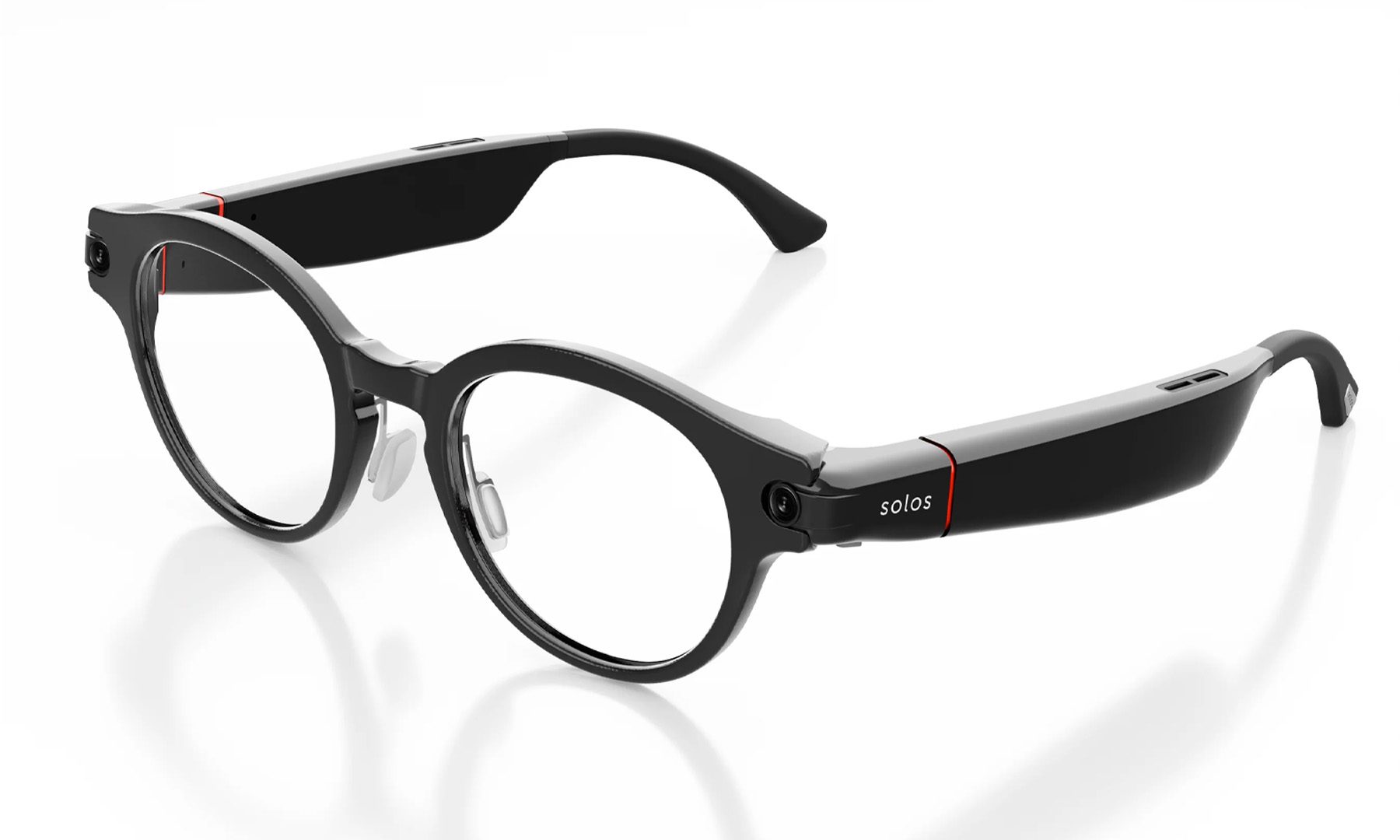
The camera hasn’t disappeared entirely, though. Solos has also launched the AirGo V2 globally, starting at $299. It features a 16MP camera capable of capturing 2K video, modular frames, and up to 12 hours of battery life, making it the company’s flagship option for users who do want visual AI capabilities.

A physical privacy switch beats software

To address concerns around wearable cameras, Solos is introducing a Privacy Kit for the AirGo V2. Rather than relying solely on software indicators or recording lights, the accessory physically covers the camera lens, making it immediately obvious to everyone nearby that the camera cannot see anything.
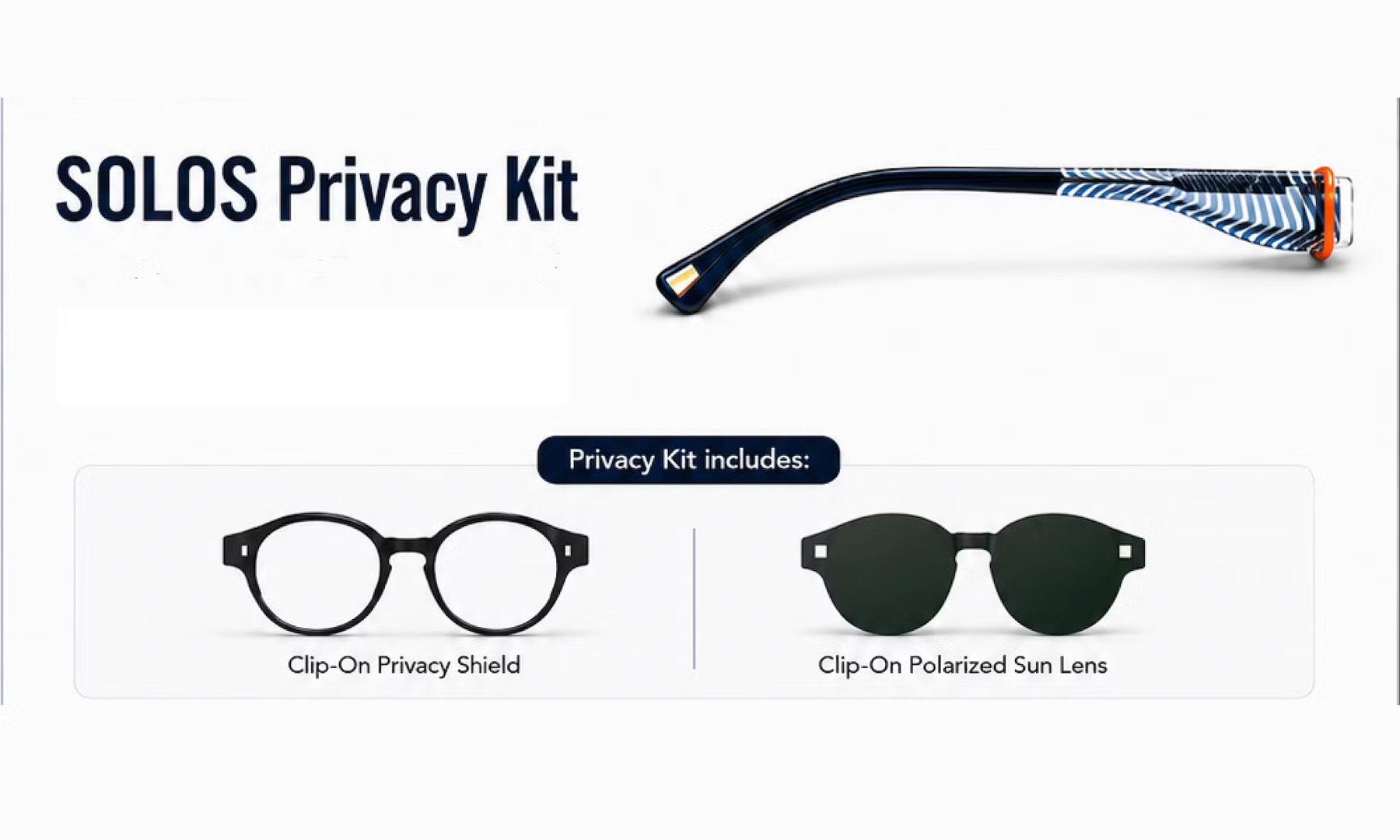
It’s a surprisingly low-tech solution to one of AI’s biggest perception problems. As smart glasses become more common, convincing bystanders that they aren’t being recorded may be just as important as convincing buyers to wear them. A removable plastic camera cover might not sound particularly futuristic—but it could end up being one of the most practical features we’ve seen on AI wearables so far.


Varun Mirchandani
Varun is an experienced technology journalist and editor with over eight years in consumer tech media. His work spans…
Virtual taekwondo sounds like a gimmick until it solves the biggest fear of combat sports
The noncontact VR discipline is gaining momentum in Southeast Asia by keeping the athletic grind while reducing the injury risk that scares many people away.
Electronics, Screen, Person

Virtual taekwondo sounds ridiculous in the easiest way. Put on a headset, strap sensors to your body, kick at empty air, and call it a combat sport. Somewhere, Wii Sports is quietly stretching.

Athletes are still kicking, reacting, and gasping through the work. The difference is that the hits land on avatars instead of bodies.

Read more
This VR empathy game could be the start of something much creepier
Rekindle uses face-tracking biometrics to deepen player involvement, but the same idea could eventually shape therapy tools, safety systems, and emotionally responsive interfaces.
VR Headset, Accessories, Goggles

A new VR empathy game called Rekindle turns facial expressions into part of the controls. The game asks players to perform emotions, then watches their faces to see whether those reactions match the scene.

The first-person story centers on memory, identity, and empathy for the LGBTQ+ community. Players move through a dystopian future where sexual identity has been targeted and erased, collecting memory fragments tied to the protagonist’s experience.

Read more
Carely’s new wearable watches over aging parents so you don’t have to
Because "just checking in" shouldn't be your only safety net.
Carely feature image

Checking in on aging parents usually means playing a proactive game. Are they okay? Did they sleep well? Would you even know if something was wrong before it became serious? You have to be constantly vigilant and check in with your elders. Carely wants to remove that guesswork entirely, and it does so without a screen, an app your parents need to open, or a single daily check-in call.

https://twitter.com/ritwikpavan/status/2074194987110342690

Read more