
Does your phone have a cracked screen? A battery that barely makes it past 3 PM? Or a camera that captures a blurry mess instead of great memories? You know it’s high time for a new one, and right now, while you’re shopping for the new school year, is probably the best time to make the switch.
The best part is that you don’t need to spend flagship money to get a phone that’ll last you the next few years. Mid-range phones have gotten seriously good of late, closing the gap with flagships where it matters the most, be it battery life, performance, or camera quality. Whether you’re upgrading your own phone or picking one out for your kid before classes start, here are the best mid-range phones worth your money this back-to-school season.
Google Pixel 10a

| Pros | Cons |
| Bright, 120Hz display | Older chip |
| Impressive camera performance | 8GB RAM isn’t enough for some on-device AI features |
| Long-term support window | Low base storage |
| Sleek design |
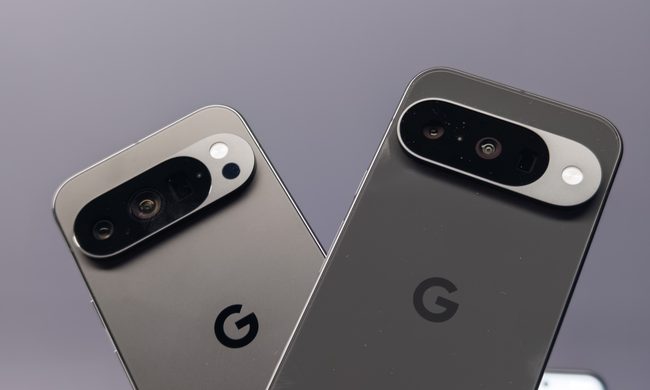
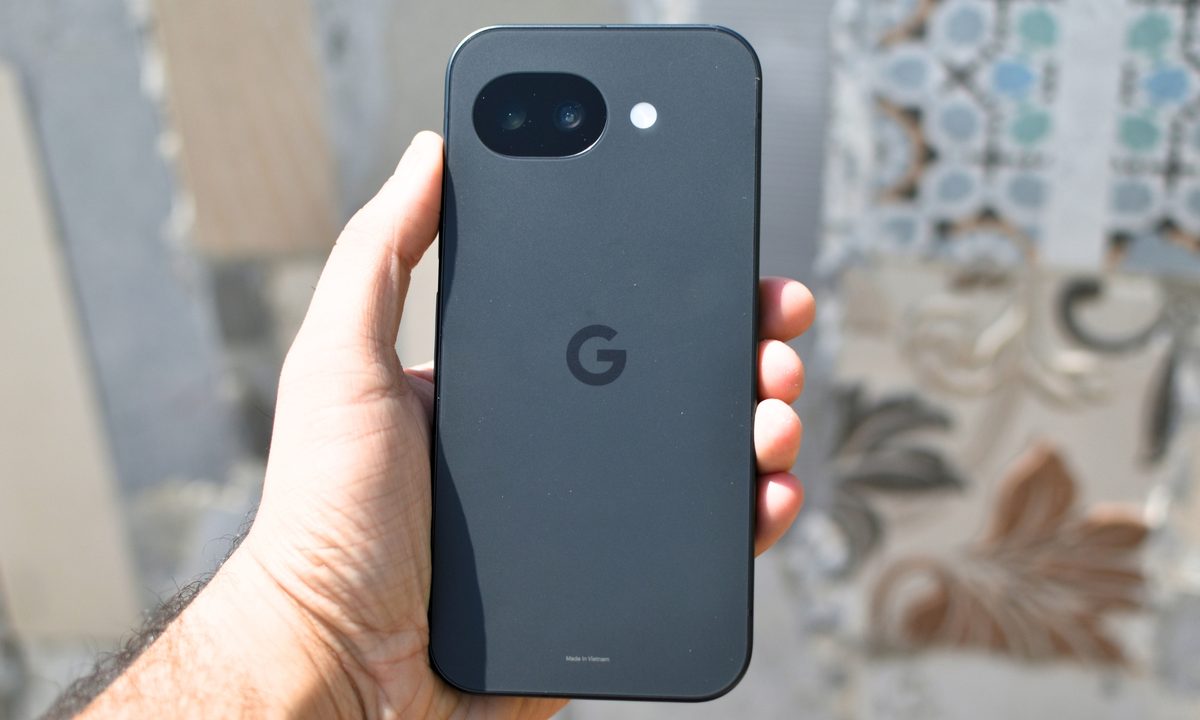
The Pixel 10a is the phone I’d pick, knowing I wouldn’t have to think about buying another phone for years. Google didn’t chase big upgrades with this year’s A-series refresh, and that’s not exactly a deal-breaker. The 10a offers plenty to like on the hardware front, right from its bright, 120Hz display to its 48MP main shooter that takes great photos in most lighting conditions. Sure, the Tensor G4 is a bit dated and 8GB of RAM isn’t enough to run some of the on-device AI features Google offers, but the Pixel 10a can handle most daily tasks consistently. And that consistency is exactly what you’re paying for.
Google’s suite of useful AI features is a genuinely helpful bonus that you won’t get with any of the other devices on this list, plus the seven-year software support commitment adds another point in its favor. At $499, the Pixel 10a is my top pick for most students, especially if you want the safest, longest-lasting device out there.
Apple iPhone 17e
| Pros | Cons |
| A19 chip offers top-tier performance | 60Hz display |
| MagSafe support | Single rear camera |
| Double base storage | Ugly notch |
| Full access to Apple’s ecosystem |
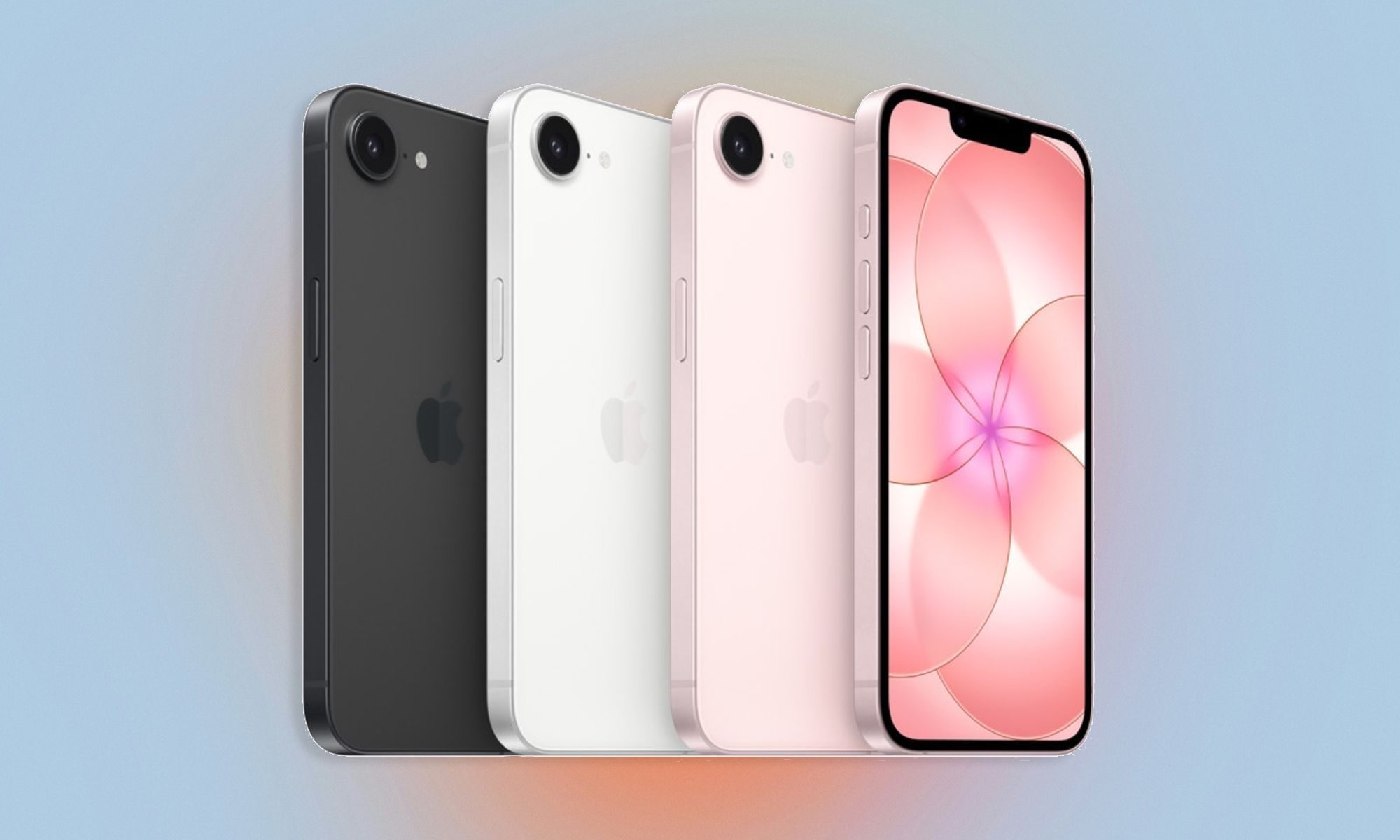
If you’re upgrading from an older iPhone, you’re probably already knee-deep in Apple’s ecosystem and have an iPad, Mac, or Apple Watch that you’re not about to replace just because your phone’s getting old. In that case, there’s no better pick than the iPhone 17e. Apple finally gave its budget model the upgrade it deserves this year, and it now features an A19 chip that can handle most everyday tasks and casual gaming without breaking a sweat. Base storage has also been doubled to 256GB at the same $599 starting price, and MagSafe support has made it to the “e” lineup for the first time, which means you can finally use the same chargers, car mounts, and accessories as the rest of the iPhone family.
The display still runs at 60Hz, which will take some getting used to if you’re switching from a phone with a high refresh rate panel, and you’ll be limited to a single rear camera with no ultrawide lens. But the camera you do get is pretty solid, and the phone’s overall speed more than makes up for what it lacks in screen refresh rate. The iPhone 17e is the cheapest way into Apple’s ecosystem, whether you’re upgrading from an old iPhone or picking your first because everyone around you already has one.
Samsung Galaxy A57
| Pros | Cons |
| Premium design | Exynos 1680 is underpowered |
| Stunning Super AMOLED display | Unremarkable ultrawide and macro lenses |
| Long-lasting battery | Pricey for what you get |
| Long-term software support |
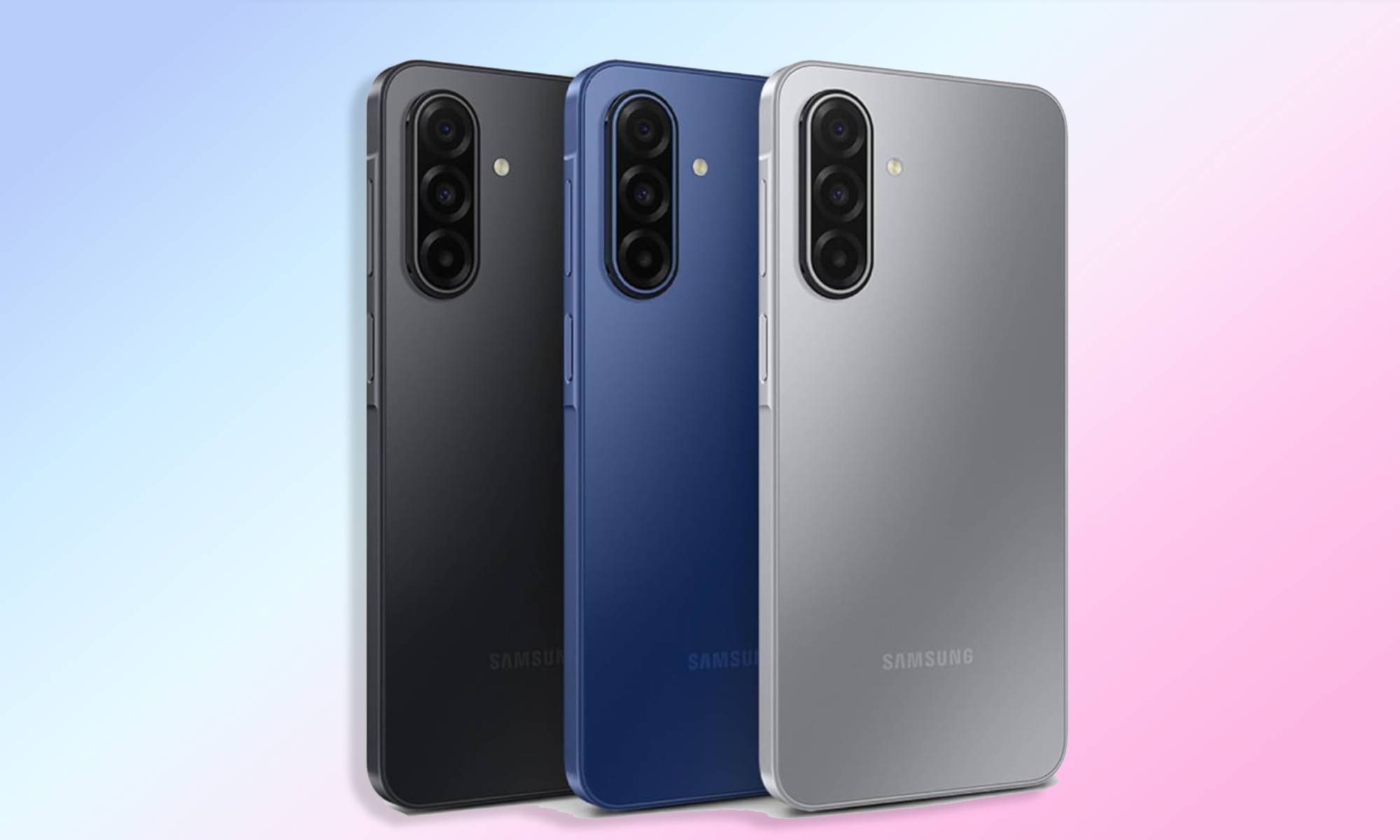
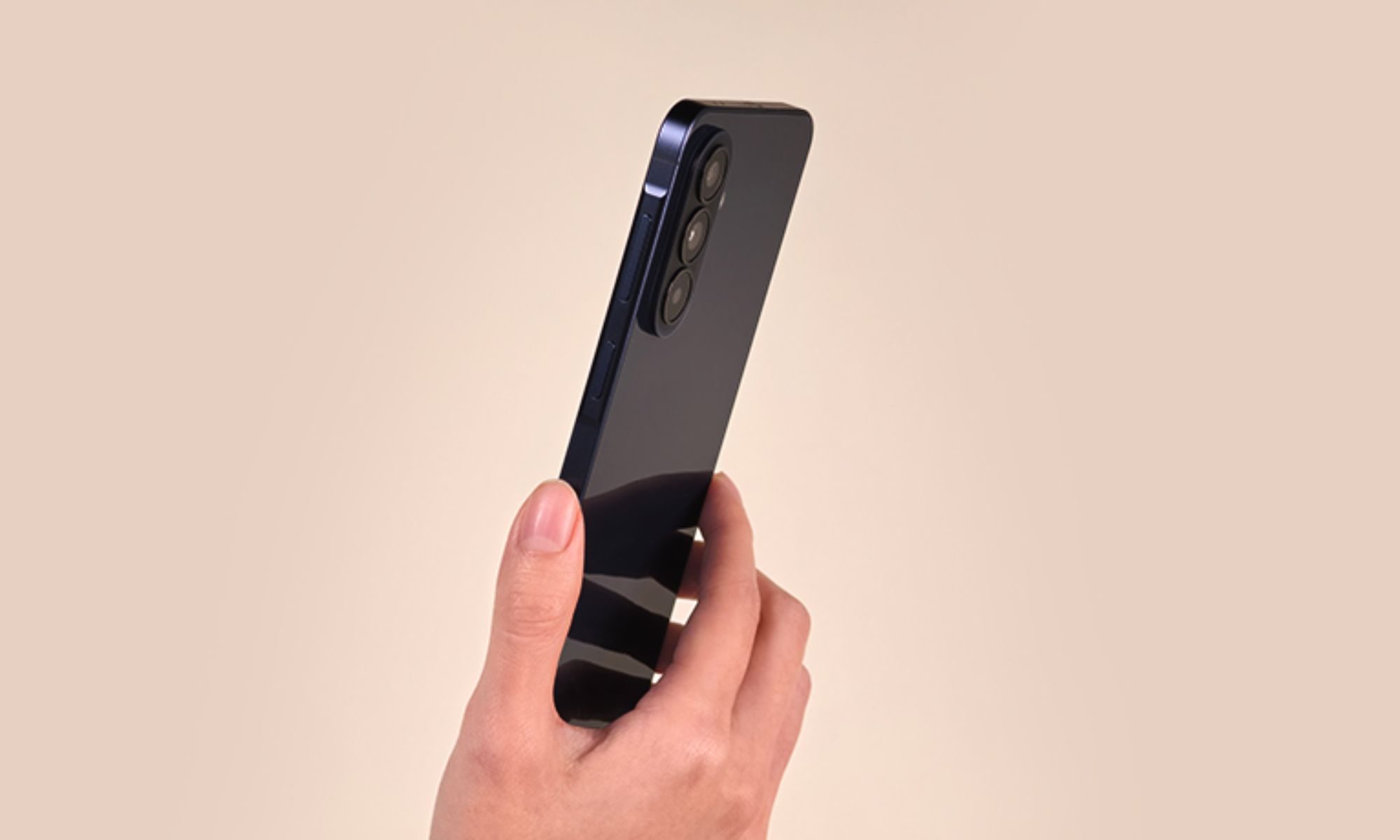
Pick up the Galaxy A57 without knowing the price, and you’d most likely guess wrong. Samsung’s latest mid-ranger looks and feels a lot like its much more expensive S series brethren with its glass back, aluminum frame, stunning Super AMOLED display, and familiar camera arrangement. The phone is genuinely great to look at, whether you’re reading in class or watching something during a study break. The battery also holds up quite well, easily making it through a full day without you needing to reach for a charger.
But under the hood, things aren’t as flashy. Its Exynos 1680 chip is a modest step up from last year’s model, and it isn’t as fast as what you’ll get with the other phones on this list. The camera setup also carries over unchanged from the Galaxy A56, with the main 50MP shooter proving good enough in most scenarios and the ultrawide and macro offering nothing to write home about. At $549, this one’s only for Samsung loyalists who like One UI. If that doesn’t sound like you, the Pixel 10a will serve you better and save you 50 bucks that you can use to get some accessories or school supplies.
Nothing Phone 4a Pro

| Pros | Cons |
| Eye-catching design with Glyph Matrix display | Only IP65 rating |
| Strong performance with Snapdragon 7 Gen 4 and 12GB RAM | Three years of OS upgrades |
| Bright and high refresh rate display | Not as good value as the Pixel |
| 50MP periscope camera with 3.5x optical zoom |
Put the Nothing Phone 4a Pro next to any other device on this list, and it’s the one people will ask about. Nothing refined its design this year, swapping the fully transparent back for a unibody metal build with a transparent camera island housing three lenses in a unique arrangement, plus the Glyph Matrix display for timers, notifications, and more. Under the hood, you get a Snapdragon 7 Gen 4 chip and 12GB of RAM, which give it enough muscle to power through most daily tasks.
The 6.8-inch display gets plenty bright with a rated peak brightness of 5,000 nits and is also great for gaming, offering a refresh rate of 144Hz. Camera performance holds its own against the Pixel 10a and the iPhone 17e too, with the 50MP periscope zoom lens giving you reach neither of those phones can match. The Phone 4a Pro has two notable tradeoffs in terms of durability and longevity, with the device featuring an IP65 rating and Nothing committing to only three major OS upgrades. At $599, the Phone 4a Pro is for anyone who wants a device with real personality that still delivers on performance, so long as you’re willing to trade some durability and long-term support to get it.
Motorola Moto G Power 2026
| Pros | Cons |
| Large 5,200mAh battery | Dimensity 6300 isn’t the strongest performer |
| IP68, IP69, and MIL-STD-810H certification | LCD rather than OLED display |
| Most affordable on this list | Only two years of promised OS upgrades |
| Cool color options |
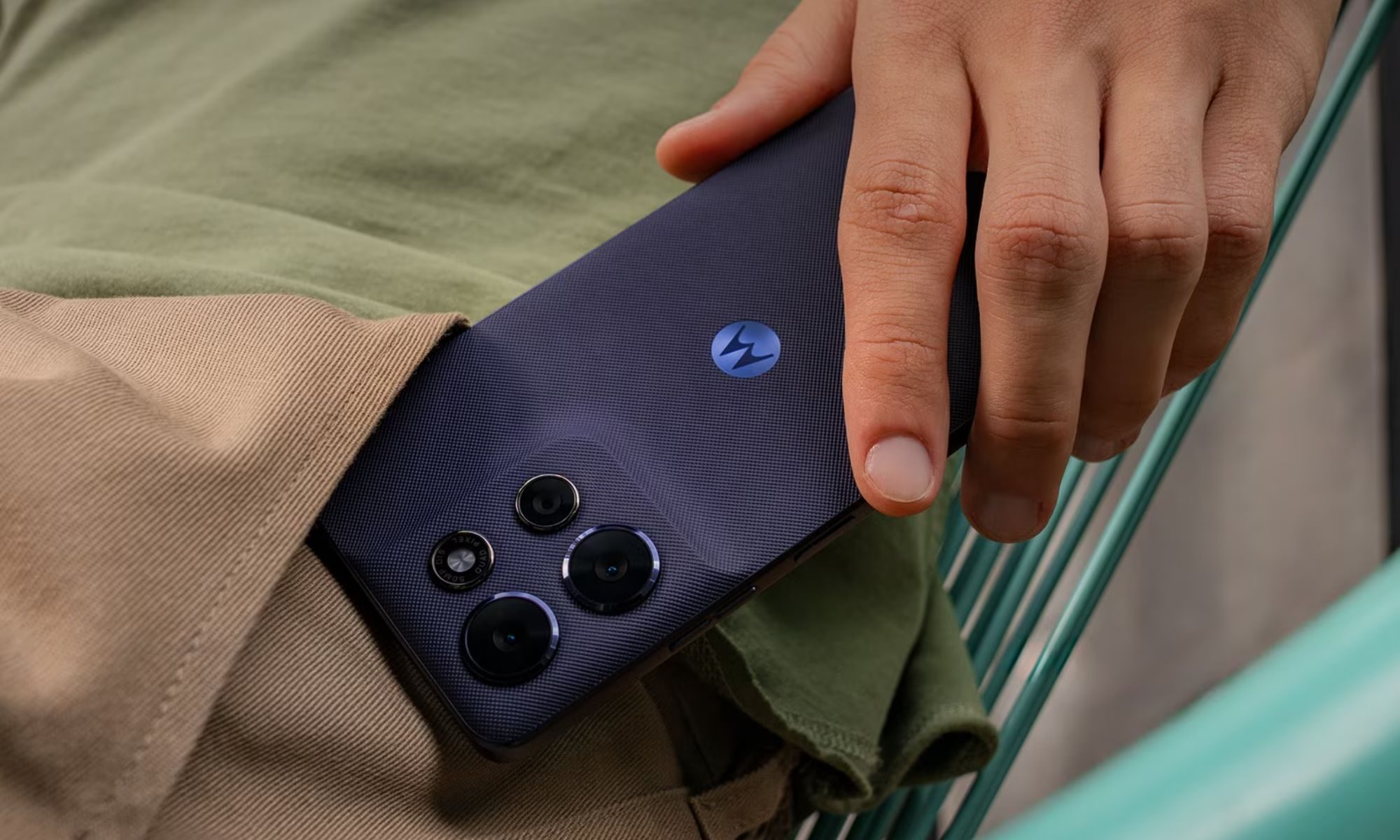
Ask most people what they want from a phone, and a long-lasting battery usually ranks higher than having the fastest chip. That’s the whole case for the Moto G Power 2026. Its 5,200mAh battery is the largest in this lineup, and can easily stretch across a busy day without you hunting for an outlet. Motorola also built it to survive whatever you throw at it, with IP68 and IP69 ratings for dust and water resistance, plus MIL-STD-810H certification covering drops and general abuse, making it a great option if you have butter fingers.
However, the Moto G Power 2026 isn’t the most capable phone on this list. Its MediaTek Dimensity 6300 isn’t as powerful, its 6.8-inch display has an LCD panel, its cameras are unremarkable, and software support is pretty thin too, with Motorola promising just a couple of years of OS updates. The $399 price tag for the 128GB model will be another draw for anyone on a tight budget, but the battery life and durability are the real draw for this device.
Mid-range phones aren’t the compromise they used to be, and this list proves it. Whether you’re chasing battery life, a great camera, a phone that can take a beating, or one that looks like nothing else on campus, there’s a pick above that gets you there without breaking the bank.