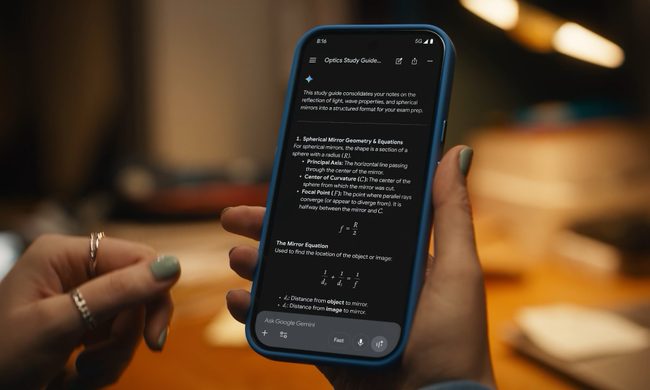
I’ll admit it: I ignored NotebookLM‘s Mind Maps feature for far longer than I should have. I mostly used the app to ask questions about my documents or generate Audio Overviews and Short Video Overviews, while that little Mind Map button sat untouched. I assumed it was more of a nice-to-have than something I’d actually use. Turns out, I was completely wrong.
I stopped drowning in my own notes
I eventually realized my biggest problem wasn’t finding information — it was actually making sense of it. Once you’ve dumped ten or fifteen articles, PDFs, and notes into a notebook, it quickly becomes overwhelming. Everything is there, but you have no idea where to begin. I’d spend ages jumping from one document to another, reading a few paragraphs here, skimming another file there, hoping the bigger picture would somehow click. That’s exactly where Mind Maps changed things for me.
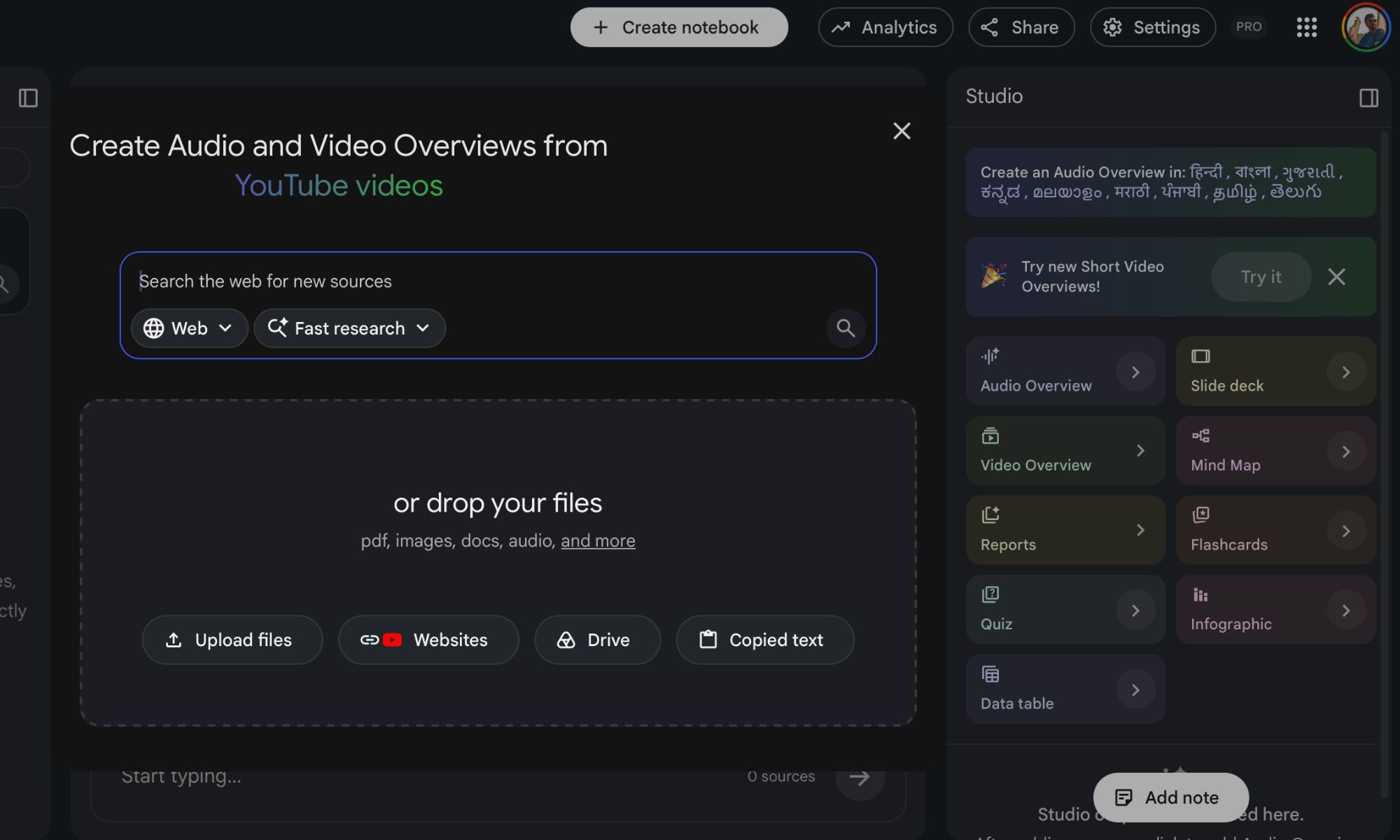
In a matter of seconds, NotebookLM analyzed everything I’d uploaded and turned it into a visual map of the topic. Instead of facing a wall of documents, I saw one main idea branching into the key themes, with each of those breaking down into smaller concepts. Before I’d properly read a single source, I already understood how everything connected. That completely changed the way I studied. Rather than asking, “Where do I even start?” I had a clear roadmap showing me what to tackle first, what could wait until later, and how each piece fit into the bigger picture.
The branches only open when you want them to
My favorite part is how easy it is to explore. NotebookLM doesn’t overwhelm you by showing every connection all at once. It starts with the big picture, and if something catches your attention, you simply click that branch to reveal the next layer. You keep digging deeper only when you want to, which makes the whole experience feel far less intimidating than staring at a giant wall of notes.
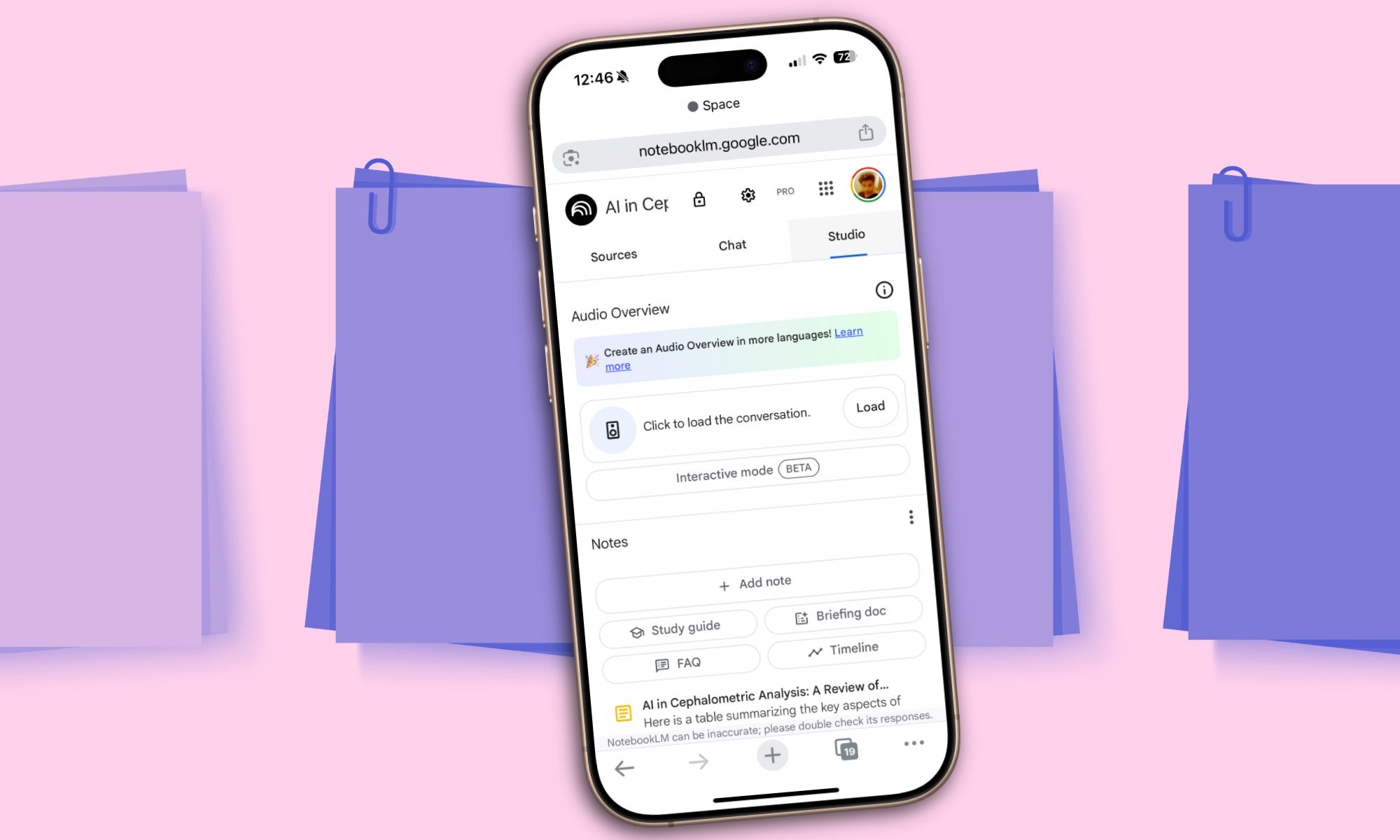
That gradual approach is what makes it so effective. Instead of trying to absorb an entire subject in one go, you’re exploring it piece by piece. I did learn one lesson, though. There’s an option to expand every branch with a single click, and of course I couldn’t resist trying it. Within seconds, my neatly organized map turned into a sprawling web of tiny text and connecting lines that was almost impossible to read. I immediately collapsed it and went back to exploring one branch at a time. That’s where the feature really shines.
Feed it better notes, and it’ll return the favor
Of course, it’s not perfect. Like most AI features, Mind Maps are only as good as the information you give them. If you upload outdated articles or unreliable sources, NotebookLM won’t stop to tell you they’re wrong — it’ll simply organize what’s in front of it. That’s why I still make sure the documents I’m uploading are accurate before relying on the map. I’ve also noticed that the feature works best when it has plenty of material to work with. A notebook filled with multiple articles, PDFs, or detailed notes produces a much richer map than a single two-page document. The more context you give it, the more useful the connections become.

One newer addition I’ve really grown to like is the ability to guide the map with a prompt. Instead of letting NotebookLM decide how to organize everything, I can tell it exactly what I’m interested in. If I’m only revising one chapter or trying to understand a specific concept, I ask for that upfront. The result is a much cleaner, more focused map that gets me to the information I actually need, without the extra clutter.
The button I ignored became the one I can’t live without
Looking back, it’s funny that the feature I ignored for so long is now the one I use first. I still love NotebookLM’s summaries and Audio Overview — they’re great for quickly understanding what’s in your documents. But Mind Maps do something different. They help you understand how everything fits together before you even begin studying. That one change has made a bigger difference than I expected. Instead of diving into a stack of PDFs and hoping I eventually make sense of them, I start with the map. Within a minute, I know the main ideas, how they’re connected, and where I should begin. It makes the whole learning process feel less overwhelming and a lot more structured.
So, if you’ve been ignoring that little Mind Map button the way I did, take this as your sign to give it a chance. It might not end up being your favorite NotebookLM feature — but don’t be surprised if it becomes the one you use the most.