1. Home
  2. Computing
  3. Phones
  4. News

Apple fixes Hide My Email bug that exposed users’ real email addresses

Here's how Apple's Hide My Email flaw leaked real addresses for over a year, and why it only got fixed once the story went public.

Add as a preferred source on Google
apple-merging-sign-in-with-apple-hide-my-email-icloud+
Apple

Turns out the “Hide” part of Hide My Email wasn’t doing its job quite as advertised, something that I covered early in July. Security researcher Tyler Murphy reported the flaw in June 2025, but despite Apple claiming it was resolved in March 2026, independent tests confirmed it remained exploitable, at least until July 3, 2026.

So how did this bug actually work?

The flaw meant that if someone sent a message to your hidden address and it bounced as spam, even a completely legitimate email, your actual email address could get exposed in the sender’s mail logs. 

You wouldn’t even know it happened. A bounced message never lands in your inbox for you to notice. Murphy first flagged the bug to Apple back in June 2025. Apple told him in March 2026 it had been resolved, but it hadn’t. Fast forward to early July, and 404 Media went public with the story.

Recommended Videos

Apple shipped an actual fix just two days later, on July 3. Make of that timing what you will. “The bug that caused Apple’s Hide My Email to leak hidden email addresses to senders has been fixed,” reports 404 Media

Is the issue resolved entirely?

However, the outlet warns that email addresses linked to Hide My Email aliases, especially those created prior to July 7, 2026, may still reside in retained third-party mail logs. Apple’s also now facing a lawsuit seeking class action status, accusing the company of violating California consumer protection law by selling a feature that didn’t work as promised.

This pattern, quietly acknowledging a flaw internally while telling the reporter it’s fixed when it isn’t, echoes complaints commenters raised about Apple’s App Store moderation only responding to public pressure. 

Privacy features marketed as premium selling points invite exactly this kind of scrutiny, and a pending class action means Apple’s handling of the timeline will matter as much as the fix itself.

Shikhar Mehrotra
For more than five years, Shikhar has consistently simplified developments in the field of consumer tech and presented them…
TSMC might set up a price hike that could come straight for your next phone, laptop, or tablet
Here's what TSMC's rumored 10% chip price increase actually means in dollar terms, and why your next phone or laptop could end up costing more.
TSMC Fab

My wallet flinched the second I saw the words "TSMC" and "price increase" in the same headline, and honestly, yours should too.

Turns out the company behind the silicon powering basically every flagship device out there, including Apple’s A-series and Qualcomm’s Snapdragon processors, is reportedly about to make all of it a little pricier.

Read more
Gemini Notebook’s new Collections arrive just as Google turns it into a bigger workspace
Google is cleaning up notebook organization as the former NotebookLM expands across Gemini and Search
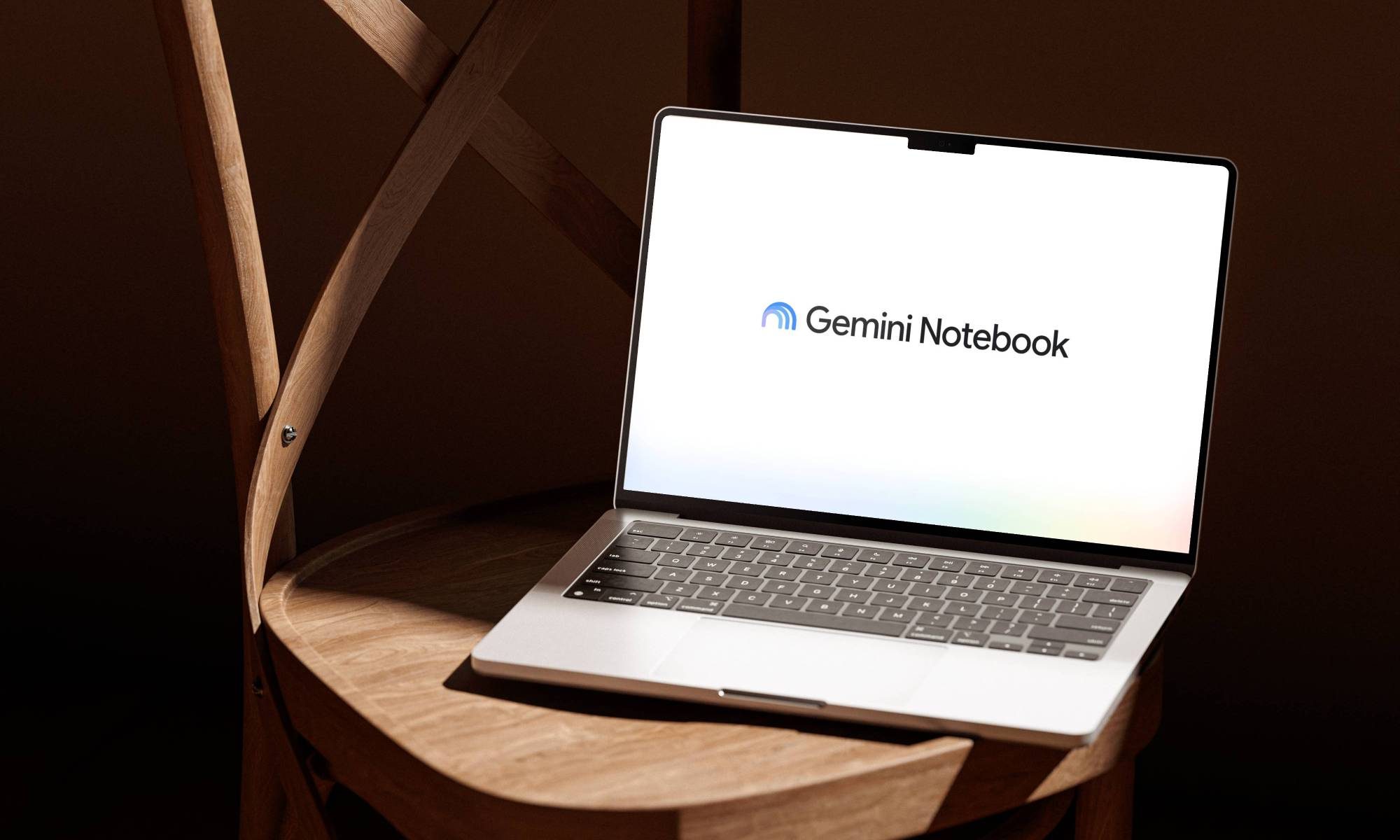
Gemini Notebook branding on a MacBook

Google has barely finished renaming NotebookLM, and it’s already addressing one of the headaches that comes with building a large research library.

Collections are rolling out to all Gemini Notebook users, giving them a way to group related notebooks while keeping everything visible under My Notebooks. The dashboard gets some structure without asking users to rearrange the library they’ve already built.

Read more
Samsung’s humanoid robot ambitions are real, but factories come first
Samsung’s new robotics division has humanoids in its sights, although its immediate business is far more practical factory automation
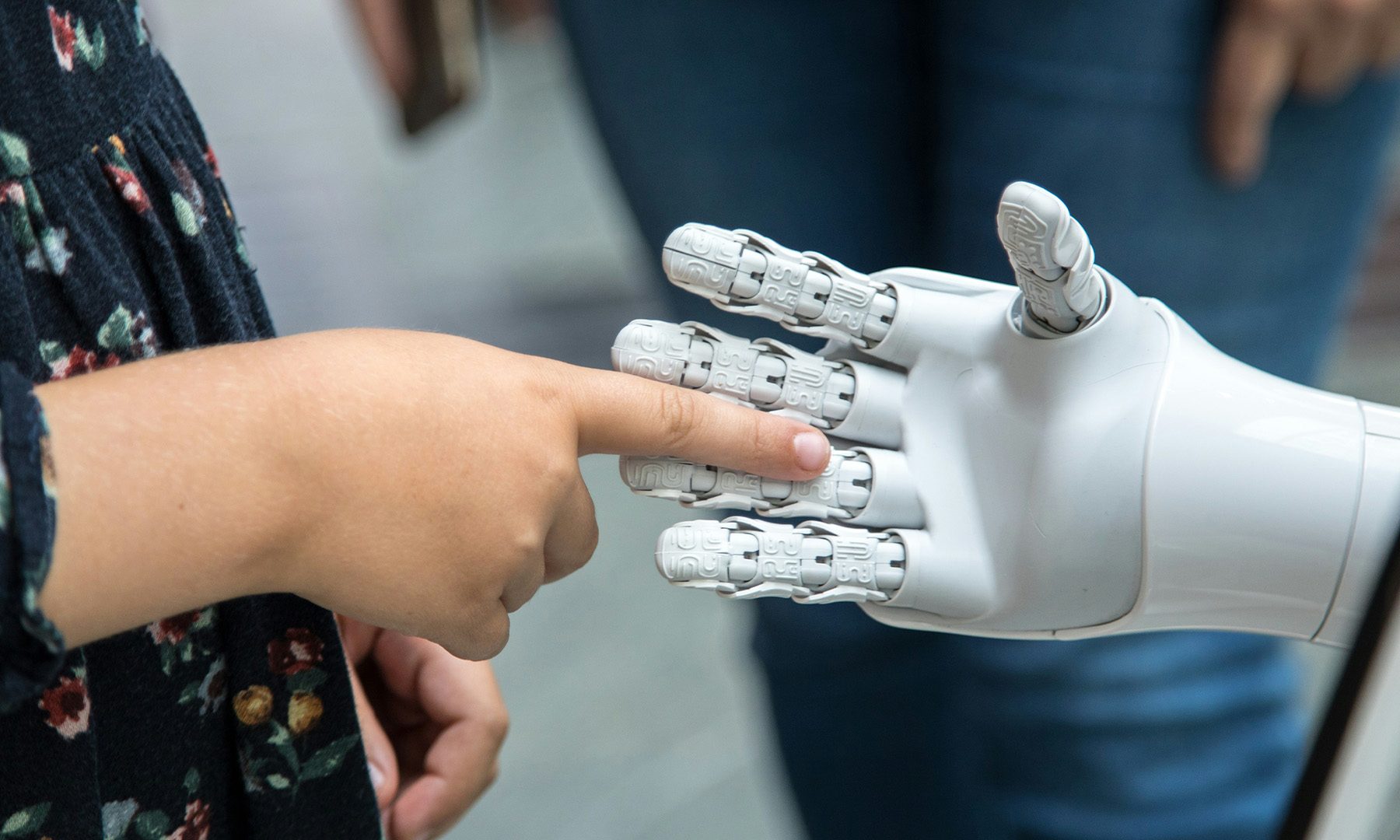
Robot Touch Human Finger

Samsung wants a place in the humanoid race, but its new robotics push begins with machines built for factories rather than homes.

The CEO-led RX robotics division will initially focus on manufacturing robots. Samsung has separately identified humanoids as a priority, although it hasn’t announced a commercial model or explained where one fits into the division’s immediate plans.

Read more