  1. Home
  2. Cars
  3. News

Hongqi says its new EV tech can charge a battery in just eight minutes, beating BYD

Add as a preferred source on Google
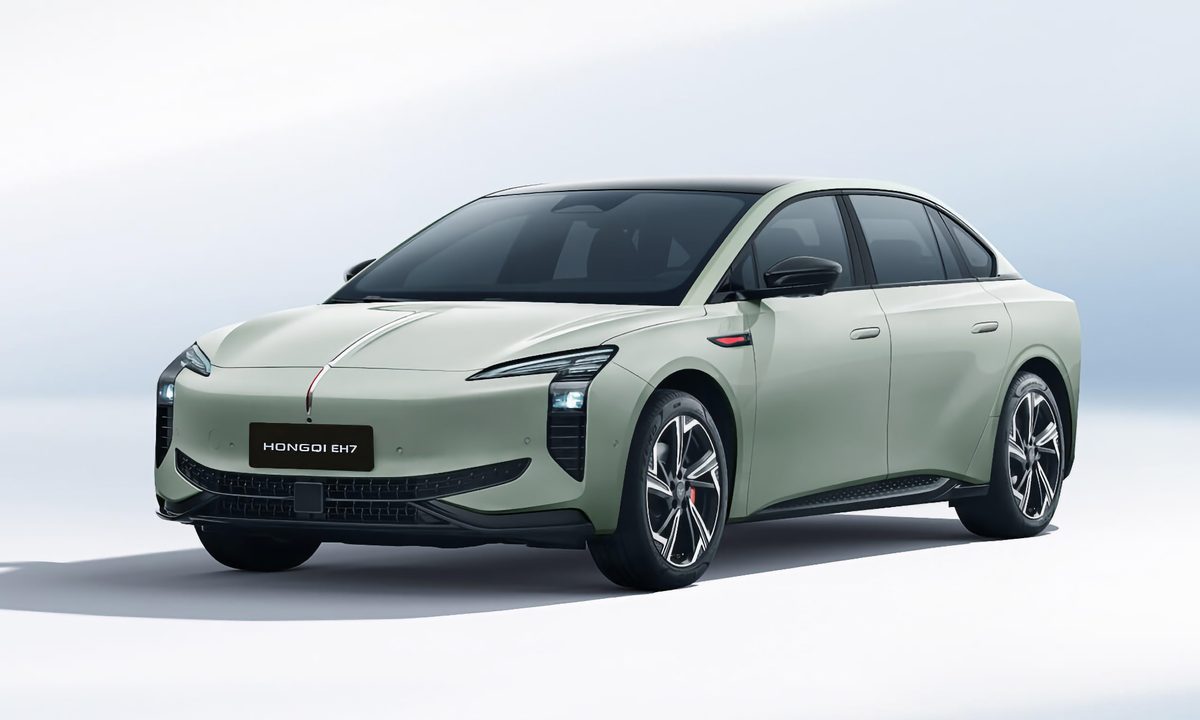
Hongqi EH7 car in green
Hongqi

It seems that every other month, a new company is coming out with battery-charging tech that’s defying our expectations. A few months back, BYD, the Chinese EV maker, impressed everyone with its “flash charging” system that could take its car from 10% to 97% in nine minutes. Now, Chinese automaker Hongqi has beaten that record. 

How fast is Hongqi’s new battery?

CarNewsChina reports that FAW Group’s Hongqi brand, in collaboration with Lishen Battery, just wrapped up charging tests at 25°C for a new ultra-fast charging battery, and the numbers are wild. The pack went from 10% to 70% state of charge in 3 minutes and 41 seconds, then climbed to 97% in just 8 minutes and 3 seconds.

Recommended Videos

FAW says the battery reached a peak charging rate of 12C thanks to a high-efficiency ultra-fast charging anode, breaking past previous limits. The team also built a custom electrolyte designed to lower the energy barrier lithium ions face when moving through the cell, and used a composite carbon coating along with bulk doping to cut internal resistance by 15% compared to similar cells, speeding up how fast charge actually transfers.
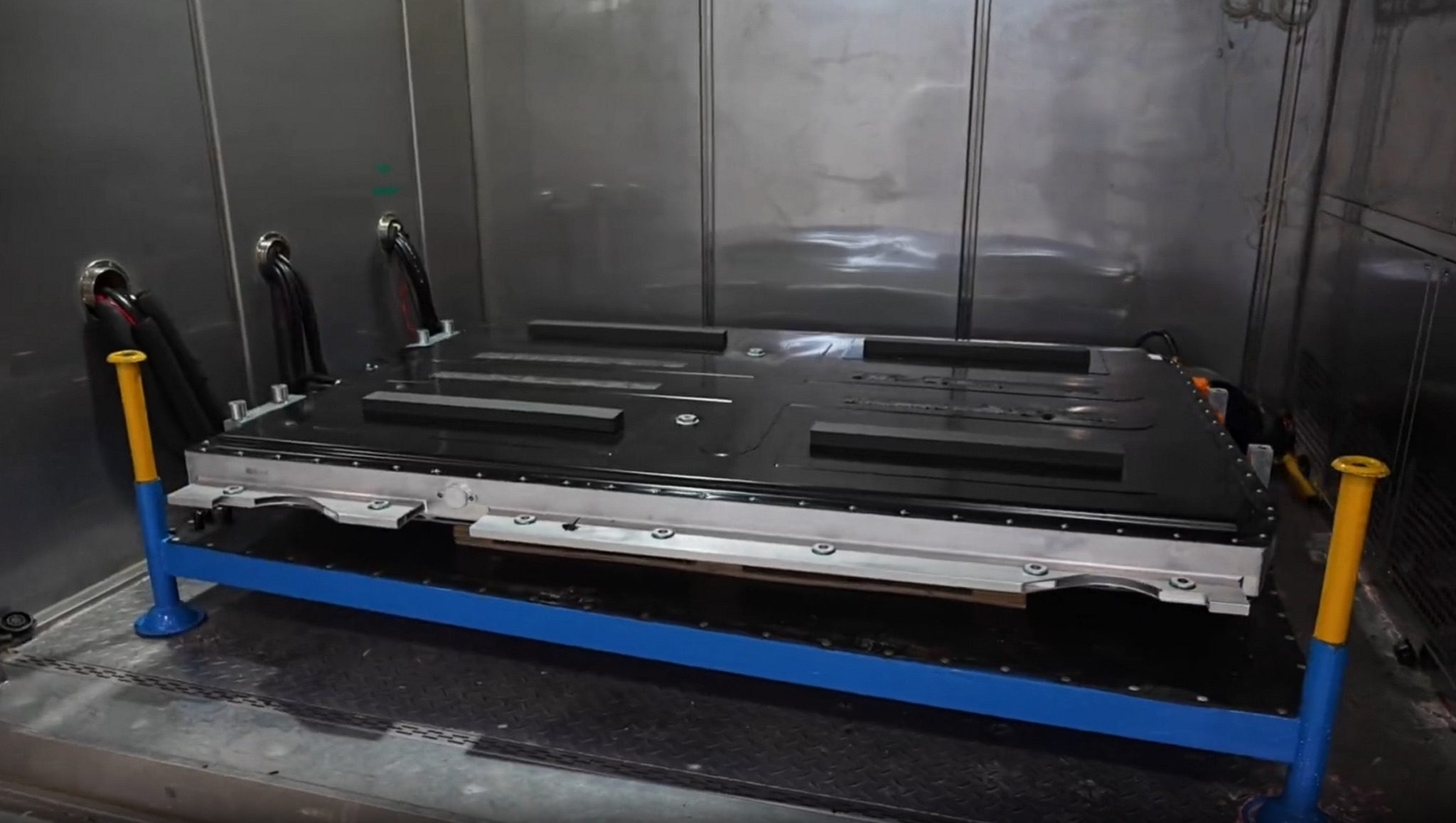
Keeping all that power in check requires serious cooling. FAW’s intelligent liquid cooling system keeps the temperature spread across the entire pack within 3°C during fast charging, while a safety-first charging strategy constantly tracks cell temperature and adjusts the power curve on the fly. 

Keeping a check on temperature during fast charging sessions is of paramount importance. We recently saw BYD’s flash-charging technology push battery temperatures to 169.6°F in real-world tests, exceeding the recommended safety limit. Hopefully, Hongqi’s battery with its cooling will fare better in real-world scenarios. 

Who else is chasing the fastest charge?

Apart from Hongqi and BYD, several other companies have joined the fast-charging race, with companies including CATL and Geely posting their own blistering fast numbers. It seems that nobody in the EV world wants to be the automaker charging slowest, and that competition is only picking up speed.

Rachit Agarwal
Rachit is a seasoned tech journalist with over ten years of experience covering the consumer technology landscape.
Mercedes-Benz reveals the 2028 GLA in two flavors and plenty of cool tech
The 2028 GLA debuts in electric and hybrid form, featuring Gemini, ChatGPT, and up to 408 miles range.
2028-Mercedes-Benz-GLA-SUV

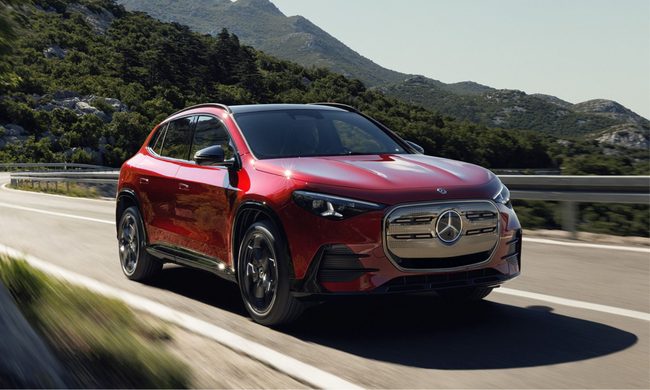
Mercedes-Benz just gave its smallest SUV a serious glow-up. The automaker unveiled the redesigned 2028 GLA, its entry-level compact SUV, arriving in both fully electric and hybrid form. Like the recently redesigned CLA sedan, the GLA now rides on Mercedes' next-generation MMA platform.

What's new with the 2028 GLA's design and powertrain?

Read more
Everyone mocked Ferrari’s first EV. Now it’s already a sales success.
Critics roasted it online. Buyers signed the checks anyway.
Ferrari Luce

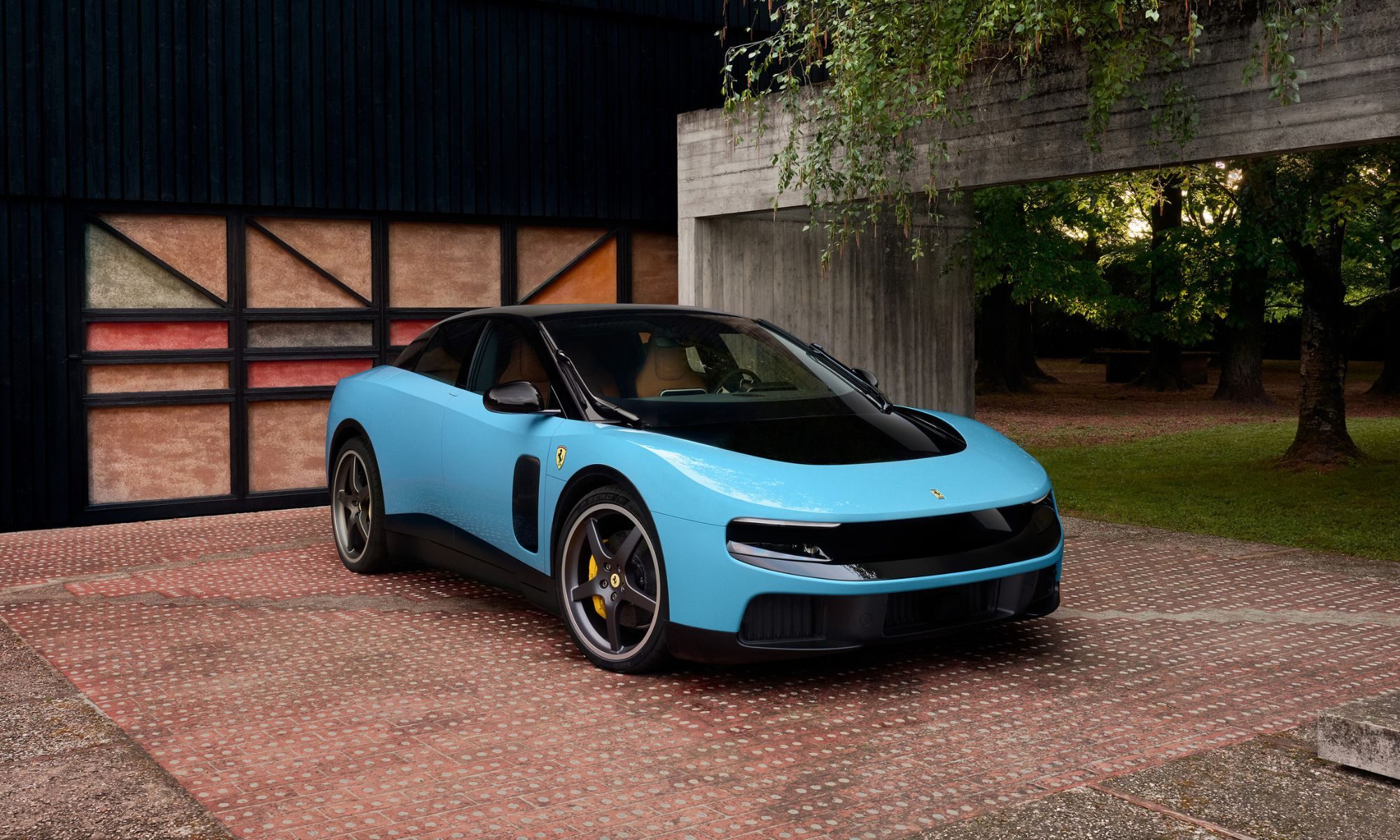
Ferrari's first electric car, the Luce, had a rough start. When it debuted in May, social media dragged its styling, comparing it to cars a tenth of its price, and investors weren't thrilled either, sending Ferrari's Milan-listed shares down more than 8% after the unveiling. Even former Ferrari chair Luca Cordero di Montezemolo jumped in, saying the car didn't deserve to wear the prancing horse badge.

Fast forward two months, and according to a Financial Times report citing people familiar with the matter, Ferrari has quietly achieved its 2026 sales target for the Luce. The company hasn't officially confirmed a number, but sources say it was aiming to sell just under 500 units this year, a target it reached sometime in July.

Read more
Waymo wants your next robotaxi ride to feel less like a taxi and more like your living room
Your next Waymo ride could come with Gemini as your travel companion
Adult, Female, Person

Waymo is giving its robotaxis one of its biggest passenger-facing upgrades yet, bringing Google's Gemini AI assistant into the cabin alongside a redesigned in-car interface that reimagines how riders interact with autonomous vehicles. Both features will debut in the Ojai, Waymo's purpose-built robotaxi, as the company prepares to expand access to more public riders. Rather than changing how the vehicle drives, the update focuses on what passengers can do once they're inside, signalling that the next phase of the robotaxi race may be fought on experience rather than autonomy.

For years, autonomous vehicle companies have competed on sensors, safety records and driverless capabilities. Waymo now appears confident enough in those foundations to shift attention toward the cabin itself, treating the journey as a product rather than simply a trip from one location to another.

Read more