  1. Home
  2. Cars
  3. Legacy Archives

Will a turbo V6 replace a V8 in the next Mercedes-Benz AMG C-Class?

Add as a preferred source on Google

The the redesigned 2015 Mercedes-Benz C-Class sedan will be just one of several cars in a very large lineup. The U.S. will also get C-Class coupe and convertible models, as well as an AMG performance variant. That’s the one you really care about, right?

The current C63 AMG is one of the last cars to use the fire-breathing 6.3-liter V8, and it’s due to be replaced in the new model.

With what, though?

Recommended Videos

Speaking to DT Automotive Editor Nick Jaynes at the U.S. press launch of the C-Class, a Mercedes representative implied the next AMG will lose a few cylinders.

“You won’t miss the V8,” he said.

A downsized engine wouldn’t be out of the ordinary given the current AMG emphasis on efficiency, which has seen the replacement of the 6.3-liter V8 with a 5.5-liter twin-turbocharged unit in most cars, and the introduced of the pint-sized, 2.0-liter four-cylinder CLA45 AMG and GLA45 AMG.

A smaller-displacement AMG C-Class isn’t unprecedented, either. AMG versions of both the first and second-generation C-Class had V6 engines, although both were eventually replaced by V8s.

However, ditching the V8 this time would involve even more downsizing than many have anticipated. Previous reports suggested the new model would use the 4.0-liter twin-turbocharged V8 slated for the AMG GT sports car.

Nonetheless, a V6 would bring the C-Class in line with the 2015 BMW M3 (and its two-door M4 siblings), which is also ditching a V8 for six cylinders.

V6 power would also split the difference between the four-cylinder CLA and GLA and the larger AMG models, giving the C-Class a more defined place in the hierarchy.

None of this has been confirmed, but no matter how many cylinders it has, you can get the next AMG C-Class engine will be turbocharged, just like everything else in the tuner’s current range.

Stephen Edelstein
Stephen is a freelance automotive journalist covering all things cars. He likes anything with four wheels, from classic cars…
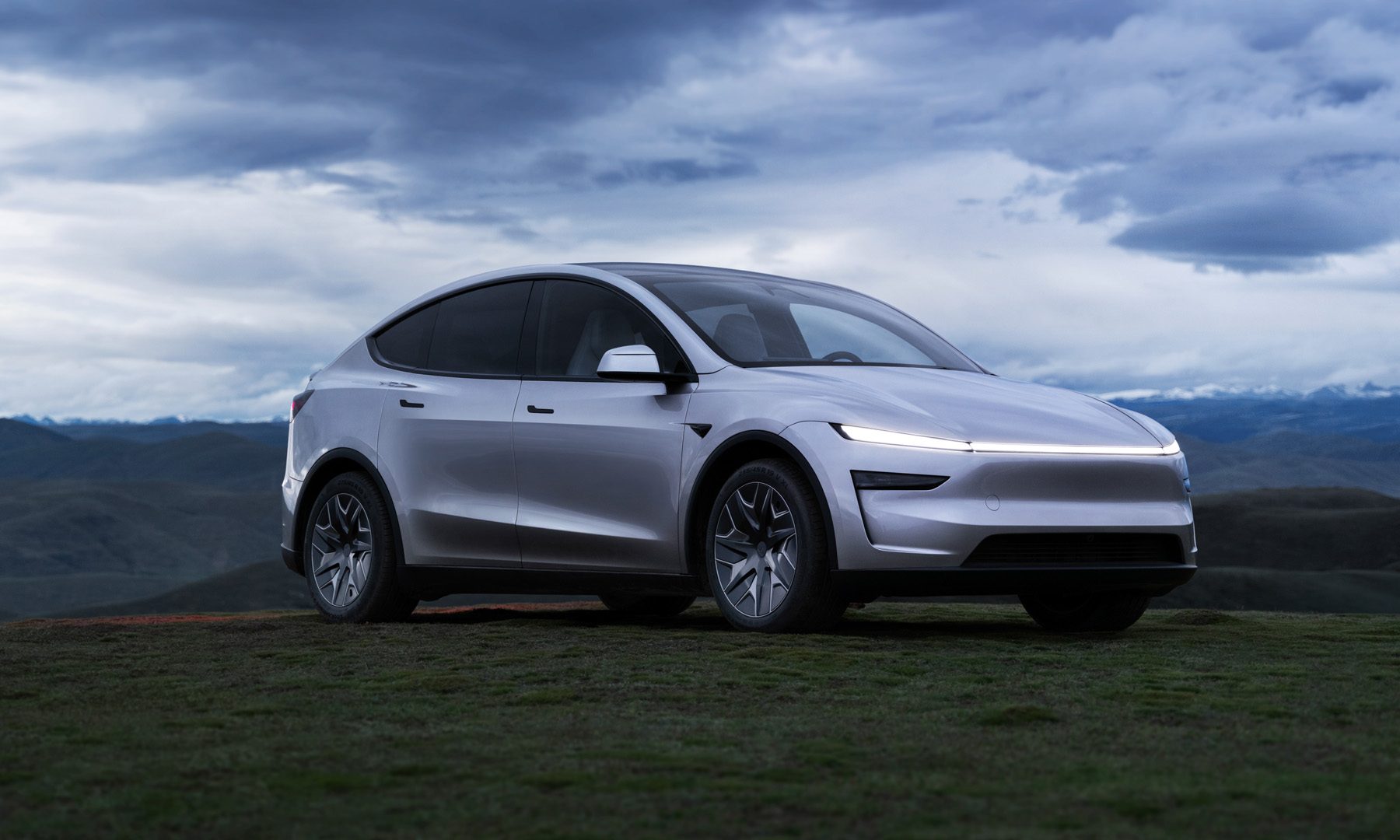
Tesla launches the six-seat Model Y Long Wheelbase in the US
The stretched electric SUV brings more space, more comfort, and up to 325 miles of range.
Tesla Model Y Long Wheelbase Featured

Tesla is giving the Model Y a little more breathing room. The company has officially launched the Model Y Long Wheelbase in the United States and Puerto Rico, introducing a stretched version of its best-selling electric SUV with a three-row, six-seat layout that's designed to make family road trips a lot more comfortable.

A bigger Model Y with a focus on comfort

Read more
A stolen Kia reveals the hidden limits of connected car technology
Kia can see where your stolen car is. GDPR means it won't share that in real time. That is the entire problem.
Kia EV3 design

If you’re buying a car with connected car technology, thinking it would help you to recover it in the event of theft, you might want to recalibrate your expectations. 

A recent incident in the UK, in which a car owner had three tracking devices installed in his car and still couldn’t recover it, led the carmaker to state that connected-car technology isn’t a “certified security vehicle tracker” (via the BBC).

Read more
Cambrige experts find utterly simple fix for longer lasting EV batteries. Just put some pressure on it.
Scientists found a way to make EV batteries last longer without reinventing the battery
EV Charging

EV battery breakthroughs typically involve new chemistry, exotic materials, or faster charging/higher capacity. But a new study reveals that you can skip all the fancy stuff and go with a very simple solution, Researchers from the University of Cambridge found that putting the battery under the right amount of pressure actually helps.

The study was about how physical pressure affects lithium-ion battery life, which found that keeping cells under constant pressure could double their lifespan. The work was published in Nature Energy, and the team says the improvement came without changing the active materials, electrolyte, or basic battery chemistry.

Read more