1. Home
  2. Phones
  3. Android
  4. Apple
  5. Mobile
  6. Legacy Archives

Want to spy on the iPhone? Good luck – It’s nearly impossible

Add as a preferred source on Google

Cracking into iOS is much more difficult than it sounds, security researchers from the German firm Gamma Group say. A leaker recently revealed a secret report from the company that details the group’s failed attempts at breaking into iOS to turn iPhones against their owners. Gamma Group’s spyware called FinSpy can wiggle its way into almost any Android device, several BlackBerry handsets, and Windows Phones, but it can’t crack into the iPhone unless it’s been jailbroken.

Related: Why that iOS backdoor isn’t really a threat unless big brother is after you

Recommended Videos

Luckily for iPhone users, FinSpy cannot take over iOS no matter how hard it tries.

Not only is this impressive — especially given the power of FinSpy — it’s also great news for iPhone users. According to the document, which was spotted by the Washington Post, FinSpy is “designed to help Law Enforcement and Intelligence Agencies to remotely monitor mobile phones and tablet devices.”

Once FinSpy is on your device, anyone who wants to take a peek at your messages, phone calls, location data, contacts, and other sensitive data can do so remotely. In essence, it’s the perfect spyware for governments. Reports prove that it’s been used in the United States, United Kingdom, Germany, Russia, Iran, and Bahrain to spy on computers and other devices.

Luckily for iPhone users, FinSpy cannot take over iOS no matter how hard it tries. The only iOS devices FinSpy has successfully infiltrated are jailbroken iPhones that have lost most of Apple’s built-in security features in the process. When users jailbreak their iPhones, using tools like Evasi0n, they gain root access, meaning that they can they make filesystem changes. Apple does not normally allow this, so as to protect the iPhone from various threats. However, once an iPhone is jailbroken, unsigned code, including FinSpy, can run.

Android, on the other hand, is much more open. As such, it’s much easier to break into Android devices and wreck havoc. Apple runs a very tight ship, which it captains itself.  The company has also repeatedly declared that it works with no governments and all of its doors are locked to keep users’ data safe.

Malarie Gokey
As DT's Mobile Editor, Malarie runs the Mobile and Wearables sections, which cover smartphones, tablets, smartwatches, and…
Geekbench now lets you check how a phone will actually handle your boring daily chores
New tests, smarter scores, and finally some love for NVIDIA GPUs.
Geekbench 7 open on iPhone

Geekbench, the popular cross-platform benchmark from Primate Labs, just got a major update. Geekbench 7 is out today, and you can download it on Android, iOS, Windows, macOS, and Linux. If you like to know exactly how your CPU and GPU stack up, this update brings a bunch of changes worth knowing about.

What's new in the CPU tests?

Read more
Latest Pixel 11 series leak offers the clearest look yet at Google’s next flagship
Google's next Pixel has leaked again, but this time almost nothing is left to imagine
Pixel 11

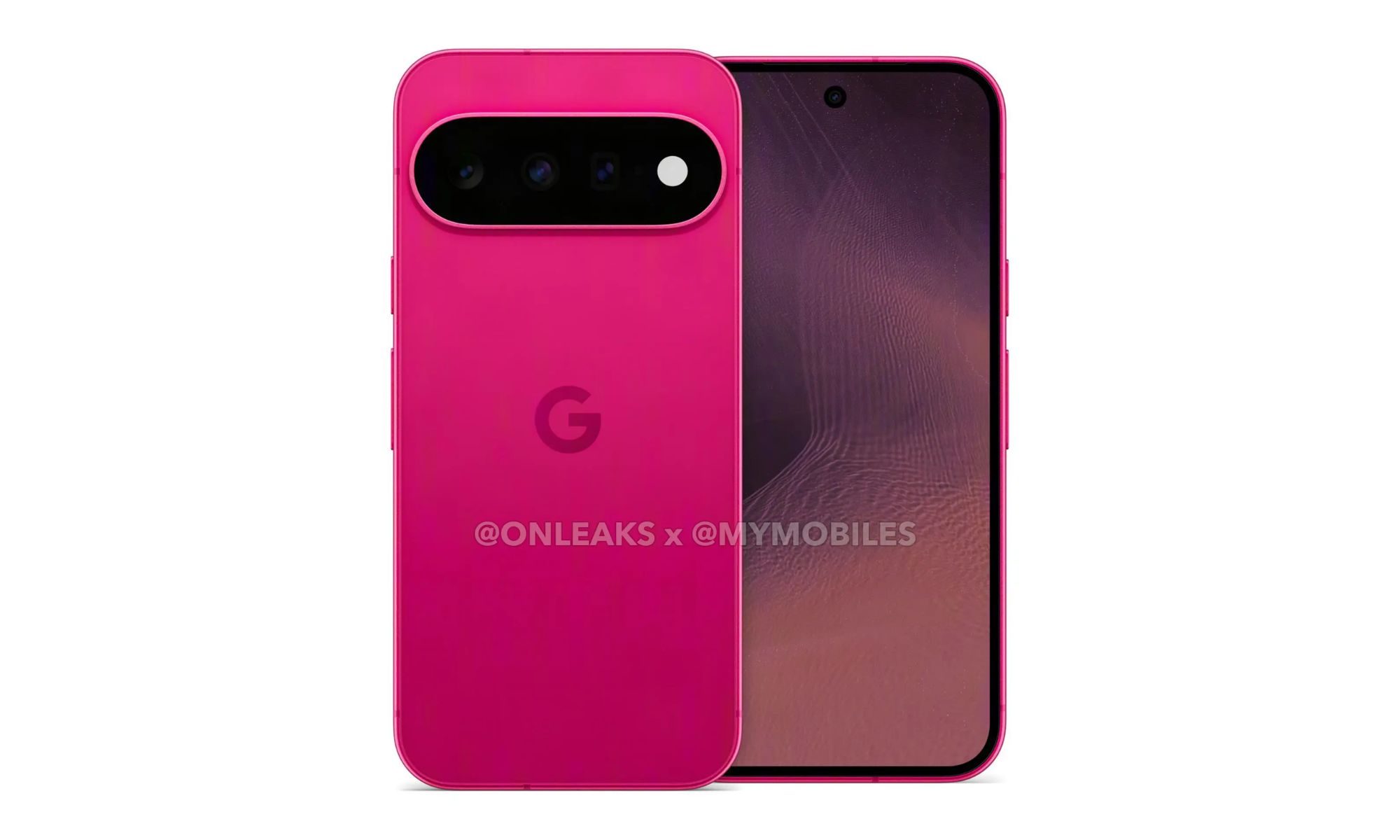
Google's Pixel launches have become increasingly difficult to keep under wraps, and the Pixel 11 series appears to be no exception. Weeks before Google's scheduled August 12 launch event, a fresh leak has revealed what is claimed to be the complete set of official press renders for the Pixel 11, Pixel 11 Pro and Pixel 11 Pro XL, showcasing every colour option across the lineup.

The renders, published by MyMobiles in collaboration with tipster OnLeaks, offer what is arguably the most comprehensive look yet at Google's next flagship family. If authentic, they not only confirm earlier design leaks but also reveal Google's colour strategy for 2026, including a vibrant Fuchsia finish for the standard model and a new copper-inspired "Dune" variant for the Pro series.

Read more
Galaxy Z Flip 8 vs. Motorola Razr Ultra (2026): Samsung’s flip phone is cheaper, but is it better?
One flip phone wins on value. The other wins on hardware.
Electronics, Phone, Mobile Phone

Flip phones have quietly become one of the most competitive corners of the smartphone market. It provides buyers with a satisfying folding snap, reducing the footprint to half the original size, and that’s the entire point. Motorola never really left the format after reviving the Razr name, while Samsung has spent generations treating the Flip line as its scrappy, budget-friendlier sibling to the Fold. 

This year, though, the gap between the two camps has narrowed to the point where picking a winner requires genuinely reading the spec sheet and learning about the phones before putting your money into one. One phone leans hard into raw display firepower, while the other leans into a deeper software ecosystem and a friendlier price tag. 

Read more