1. Home
  2. Phones
  3. Mobile
  4. Legacy Archives

Bendgate: Apple opens doors to testing lab, says it’s only had 9 complaints of bent phones

Add as a preferred source on Google

According to Apple marketing chief Phil Schiller, a mere nine people have contacted the company directly to complain of a bent iPhone 6 Plus, though considering all the fuss around what’s become known as #Bendgate, you’d think the figure would be far, far higher.

Whatever the truth, the tech titan has responded to the increasing media attention by throwing open the doors of its testing facility to reporters.

Recommended Videos

In an effort to convince one and all that it really did put the 6 Plus through its paces before making it available to the masses last week, Apple invited several news outlets to have a mosey around its so-called “reliability testing lab” in Cupertino.

According to Josh Lipton of CNBC, this is where a team of engineers “exhaustively” test all Apple devices for strength and durability.

CNBC’s footage shows two heavy duty machines with a variety of parts pumping purposefully and repeatedly up and down, presumably bashing an Apple device with a hefty weight until it disintegrates. While there’s no sign of a machine grappling with a pair of jeans with the iPhone 6 Plus poking out of its pockets, Apple’s head of engineering, Dan Riccio, was keen to reassure customers that the company’s largest iPhone to date was actually “tested in the pockets of thousands of Apple employees” and is “the most tested product we have ever done.”

Riccio told The Verge that 15,000 iPhone 6 Plus units were rigorously tested prior to the handset’s release, with its lab machines repeatedly bashing, tapping, prodding, flexing, twisting, dunking, and dropping each one in a bid to highlight any design flaws.

Riccio explained that steel and titanium inserts are added to help strengthen the relatively soft aluminum chassis of the iPhone, but is aware that in some cases even these won’t be enough to save the device from being damaged. “The bottom line is that if you use enough force to bend an iPhone, or any phone, it’s going to deform,” he said.

Reports Thursday suggested Apple might replace a bent iPhone 6 Plus if presented to staff at an Apple Store, though certain not-altogether-clear criteria will have to be met for a new handset to be handed over.

Trevor Mogg
Contributing Editor
Not so many moons ago, Trevor moved from one tea-loving island nation that drives on the left (Britain) to another (Japan)…
TSMC might set up a price hike that could come straight for your next phone, laptop, or tablet
Here's what TSMC's rumored 10% chip price increase actually means in dollar terms, and why your next phone or laptop could end up costing more.
TSMC Fab

My wallet flinched the second I saw the words "TSMC" and "price increase" in the same headline, and honestly, yours should too.

Turns out the company behind the silicon powering basically every flagship device out there, including Apple’s A-series and Qualcomm’s Snapdragon processors, is reportedly about to make all of it a little pricier.

Read more
Samsung’s free storage doubling for preorders is gone in Austria, and the replacement isn’t as sweet
Samsung's free storage doubling deal might just be history.
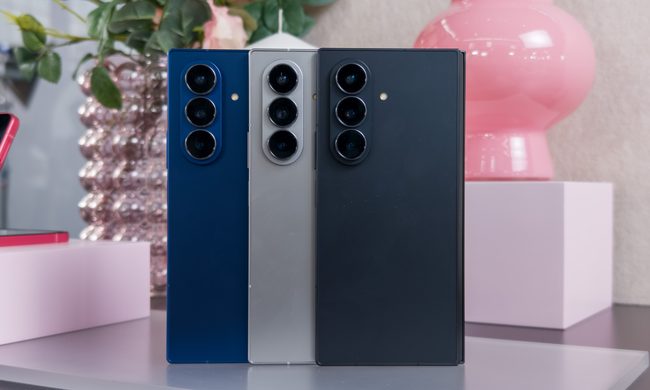
The back of the Galaxy Z Fold 7

If you've pre-ordered a Samsung foldable purely for the free storage bump, tomorrow's Unpacked event might sting a little.

For years, pre-ordering a new Galaxy meant automatically getting double the storage at no additional charge. Buy the 128GB model, walk away with 256GB for the same price. The same applied to the 256GB and 512GB models. However, that might change at the upcoming Galaxy Unpacked event. 

Read more
Apple fixes Hide My Email bug that exposed users’ real email addresses
Here's how Apple's Hide My Email flaw leaked real addresses for over a year, and why it only got fixed once the story went public.
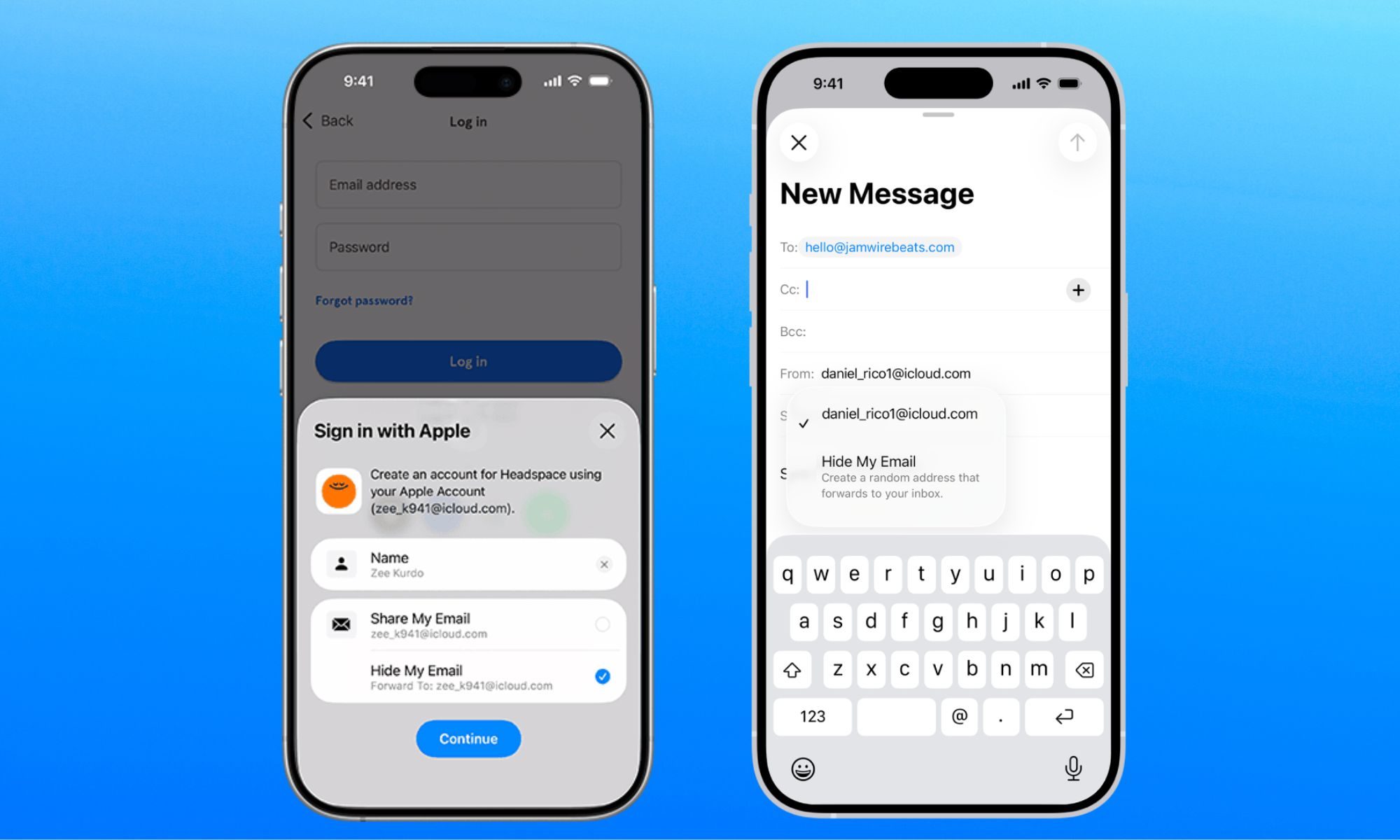
apple-merging-sign-in-with-apple-hide-my-email-icloud+

Turns out the "Hide" part of Hide My Email wasn't doing its job quite as advertised, something that I covered early in July. Security researcher Tyler Murphy reported the flaw in June 2025, but despite Apple claiming it was resolved in March 2026, independent tests confirmed it remained exploitable, at least until July 3, 2026.

So how did this bug actually work?

Read more