  1. Home
  2. Computing
  3. Legacy Archives

Forget Black Friday, this LTE-enabled Asus Chromebook is available for $200 right now

Add as a preferred source on Google

Before it sets out to break laptop affordability records with rumored $150 Chromebooks, Asus is granting you the ability to get LTE connectivity on the cheap. With little to no fanfare, the PC manufacturer has started selling a version of its C300 Chromebook that’s LTE-enabled. With this notebook in tow, you’ll be saved from having to always hunt for Wi-Fi hotspots.

The refreshed 13.3-inch Chromebook is identical to the old Wi-Fi-only model from both aesthetic, and hardware standpoints. The sole new feature is an Altair FourGee-3100/6202 LTE chipset, which is certified to run on Verizon’s 4G LTE network.

Recommended Videos

Verizon LTE connectivity was available with HP’s first LTE-enabled Chromebook too. However, the Asus C300 is dirt cheap by comparison, as Best Buy only charges a measly $200 for the rehashed notebook. The LTE-enabled HP Chromebook 11 went for $379 when it was first launched.

However, you’ll have to commit to a two-year Verizon contract. Otherwise, you’ll need to cough up $300 upfront. That’s still not a bad deal, given that the Wi-Fi-only Asus Chromebook costs $250 at Best Buy, and around $225 on Amazon. A $50, even a $75 premium doesn’t feel too steep for the connectivity edge that you’d get with LTE.

Keep in mind that with Black Friday looming, this price could go down pretty soon.

Weighing 3.1 pounds, and measuring 0.9 inches thick, the 13.3 inch C300’s Intel Celeron N2830 processor won’t break any performance records, but it goes easy on power consumption. That’s why battery life is rated at a stellar 10 hours.

Aside from LTE, 802.11ac Wi-Fi, and Bluetooth 4.0 cover the connectivity department. Also, there’s an unusually generous range of ports offered, including USB 2.0, 3.0, HDMI, and an SD card reader.

At 1,366 x 768, the 13.3-inch display is low-res, as you’d expect from something in this price range. Memory and storage numbers (2GB, and 16GB, respectively) are typical as far as Chromebooks go.

Still, at the end of the day, for $200 with a contract and $300 without one, if all you need is a notebook to do Web-based stuff with, the new Asus C300 looks like a smart buy.

Adrian Diaconescu
Former Digital Trends Contributor
Adrian is a mobile aficionado since the days of the Nokia 3310, and a PC enthusiast since Windows 98. Later, he discovered…
How Claude helped my 65-year-old dad finally ditch his handwritten ledgers
AI has a lot to answer for, but this one small win is hard to argue with, at least for me.
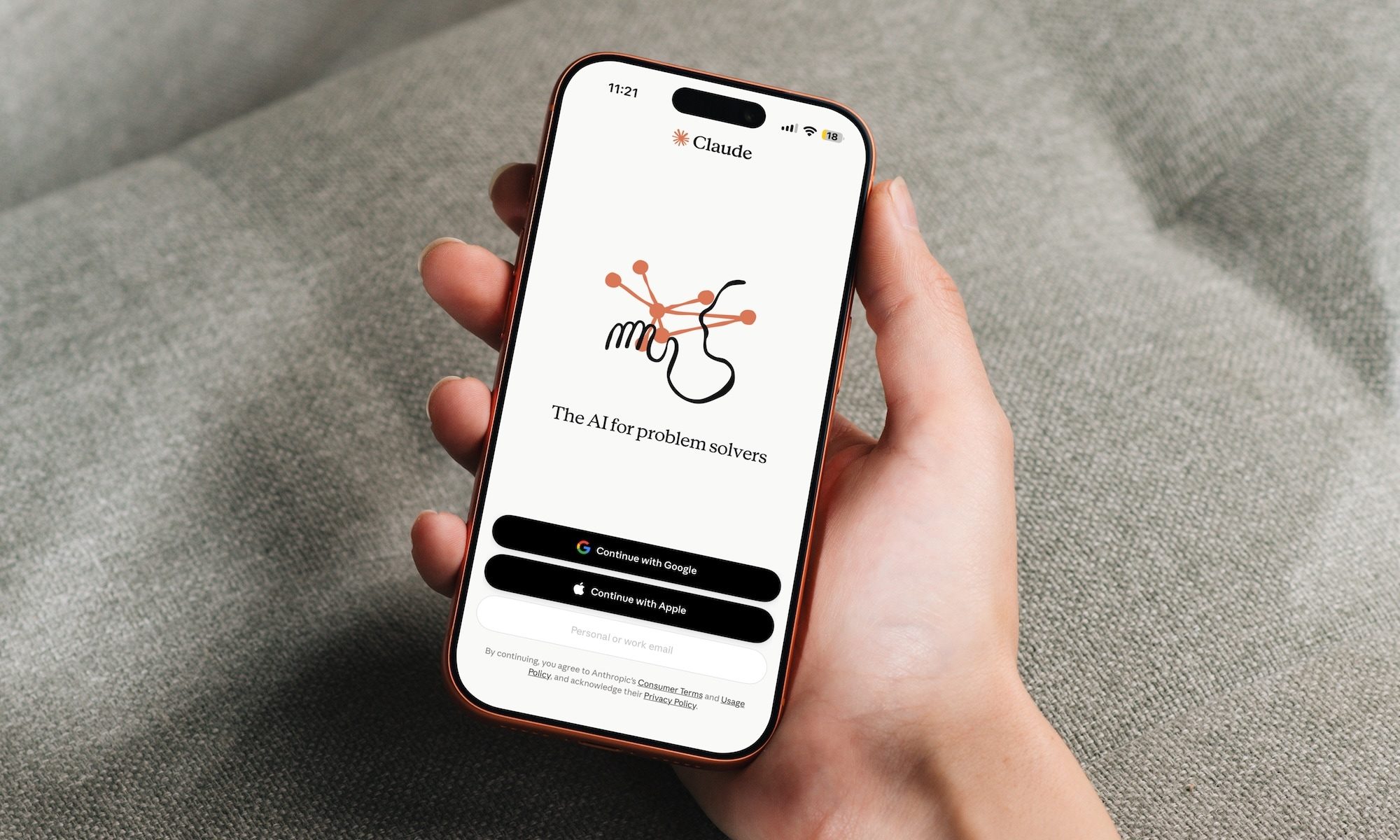
Claude app on iPhone

My dad has owned a small business for as long as I can remember, and for just as long, he's kept his books the old-fashioned way. Every sale gets written down by hand so he can file his taxes later. The problem is that his accountant needs this data in Excel, and my dad, who didn’t grow up around computers, has never learned how to use it.

For years, his workaround was paying someone to manually type his handwritten entries into a spreadsheet. It worked, but it was adding additional cost to his business, which he wanted to avoid, but couldn't.

Read more
AI’s energy tax was already concerning. Research says AI agents are over hundred times worse
AI agents could consume 136 times more energy than today's AI, study finds
AI agents

The AI industry's soaring electricity demand has already become a growing concern for governments, utilities, and technology companies. But a new study suggests the next generation of artificial intelligence could make that problem significantly worse.

Researchers from the Korea Advanced Institute of Science and Technology (KAIST) have published what they describe as the first comprehensive analysis of the energy cost of AI agents - AI systems capable of reasoning, planning, and completing tasks autonomously. Their findings show that these systems can consume up to 136.5 times as much energy per query as conventional generative AI models, raising fresh questions about whether the infrastructure supporting tomorrow's AI is ready for what's coming.

Read more
I hope Apple keeps the MacBook Neo away from the AI hype and preserves its true identity
The cheapest MacBook beats the cheapest AI MacBook.
Computer, Electronics, Laptop

If there's one thing that has disrupted consumer tech economics over the last year while changing how we understand and recommend products, it's the ever-rising cost of memory and chips. 

The desperate need to scale up AI infrastructure has pushed major manufacturers to prioritize enterprise demand, leaving everyday consumers with far fewer choices. Those available cost significantly more than they did a year ago.

Read more