1. Home
  2. Computing
  3. Entertainment
  4. Legacy Archives

North Korea insists it’s not behind Sony hack, calls it a ‘righteous deed’ anyway

Add as a preferred source on Google

North Korea categorically denies that it had anything to do with the recent Sony Pictures hack that some reports suggest was carried out in retaliation for the studio’s movie about the nation’s leader– though in a lengthy statement worded in its usual, grandiloquent style described the cyberattack as a “righteous deed.”

Issued on Sunday by North Korea’s Policy Department of the National Defense Commission (NDC), the statement claims the regime has no idea why hackers targeted Sony, adding that it was nevertheless aware that the movie studio was producing a film “hurting the dignity of the supreme leadership of the DPRK by taking advantage of the hostile policy of the U.S. administration towards the DPRK.”

Recommended Videos

The statement said the attack on Sony, described as a “righteous deed,” may have been the work of “supporters and sympathizers” of North Korea, adding that the actions of such people “will get stronger to smash the evil doings.”

The hack on Sony Pictures’ computer systems came to light toward the end of last month when employees’ PCs started displaying the message “Hacked by #GOP,” apparently short for “Guardians of Peace.”

The severity of the security breach was confirmed at the start of this month when a number of unreleased Sony-produced movies started to show up on filesharing sites. Sony’s problems were further compounded last Friday when the hackers published online thousands of Social Security numbers belonging to not only former and current workers at the company, but also celebrities who’ve worked on Sony Pictures movies.

Embarrassingly for the movie studio, much of the stolen information was contained within spreadsheet files that had no password protection.

The ongoing story appeared to take a more sinister turn over the weekend when a person claiming to be the leader of the hacking group made a threat toward Sony Pictures employees and their families.

North Korea earlier this year voiced anger at Sony Pictures over its making of The Interview, a Seth Rogen flick about a CIA plot to assassinate Kim Jong-un, the nation’s young leader.

The regime said releasing it would be tantamount to “an act of war that we would never tolerate.”

While the ongoing news coverage of the hack continues to generate huge amounts of publicity for the movie, which lands in theaters on Christmas Day, the security breach has turned into a huge embarrassment for Sony Pictures and one it could have certainly done without.

Trevor Mogg
Contributing Editor
Not so many moons ago, Trevor moved from one tea-loving island nation that drives on the left (Britain) to another (Japan)…
Deepfake bosses are crashing video calls, and researchers are trying to expose them
Seeing your boss on video no longer proves they are real
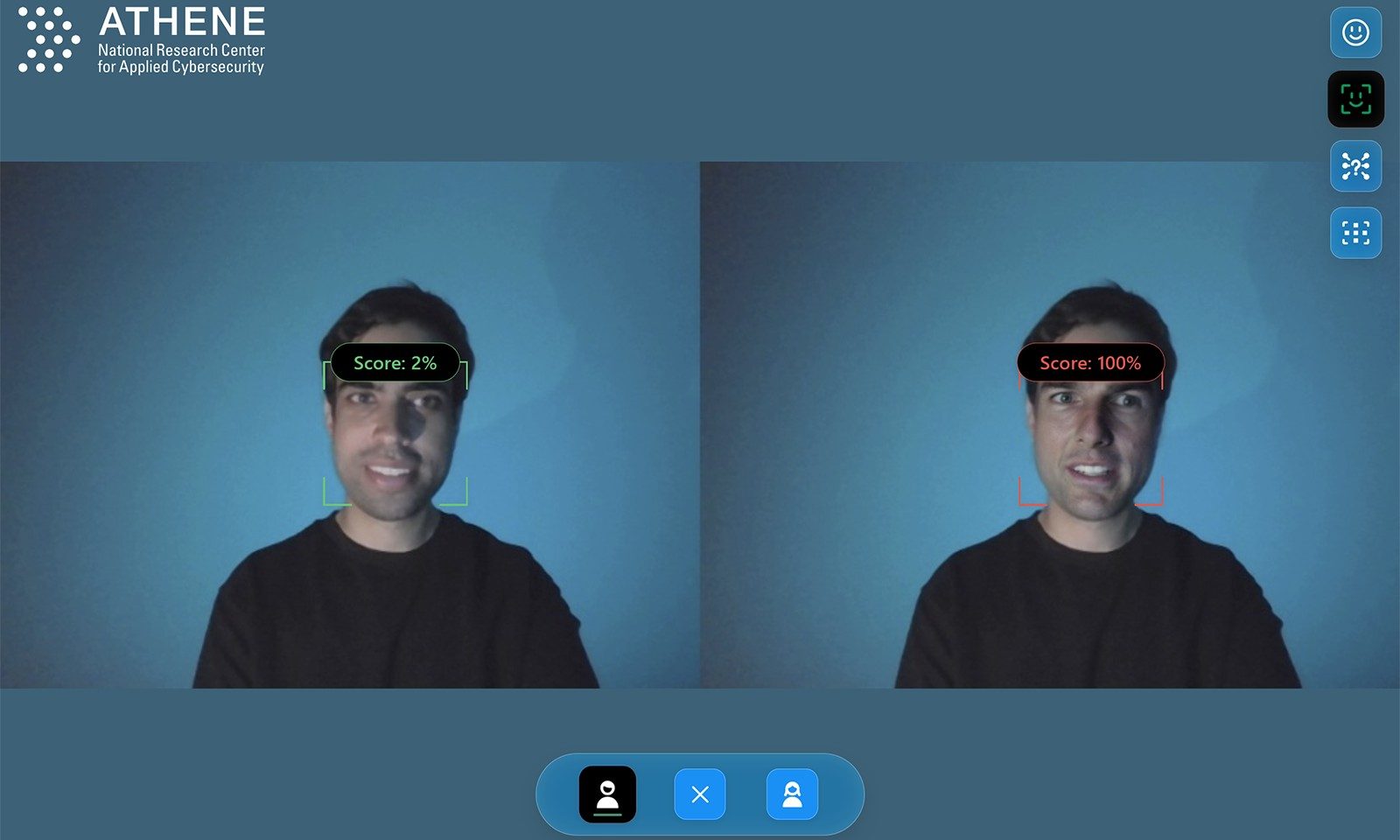
Researchers at Fraunhofer SIT are fighting against deepfake meeting video calls

Entering into a meeting with your boss and several familiar coworkers inside a video conference is the next area vulnerable to cybercrimes, and it's all because of deepfake technology. Researchers at the Fraunhofer Institute for Secure Information Technology SIT are working on a real-time warning system designed to identify attempted fraud during corporate video conferences.

The report states that criminals are increasingly targeting video meetings for identity theft and financial scams, taking advantage of the trust people place in familiar faces and voices. The intention is to flag suspicious activity while the meeting is still taking place. This gives an employee a chance to stop before following an expensive instruction from an AI-generated executive.

Read more
Apple will finally stop making iPhone-to-Windows copy-paste such a chore
Your iPhone may finally copy and paste with a Windows PC like it should
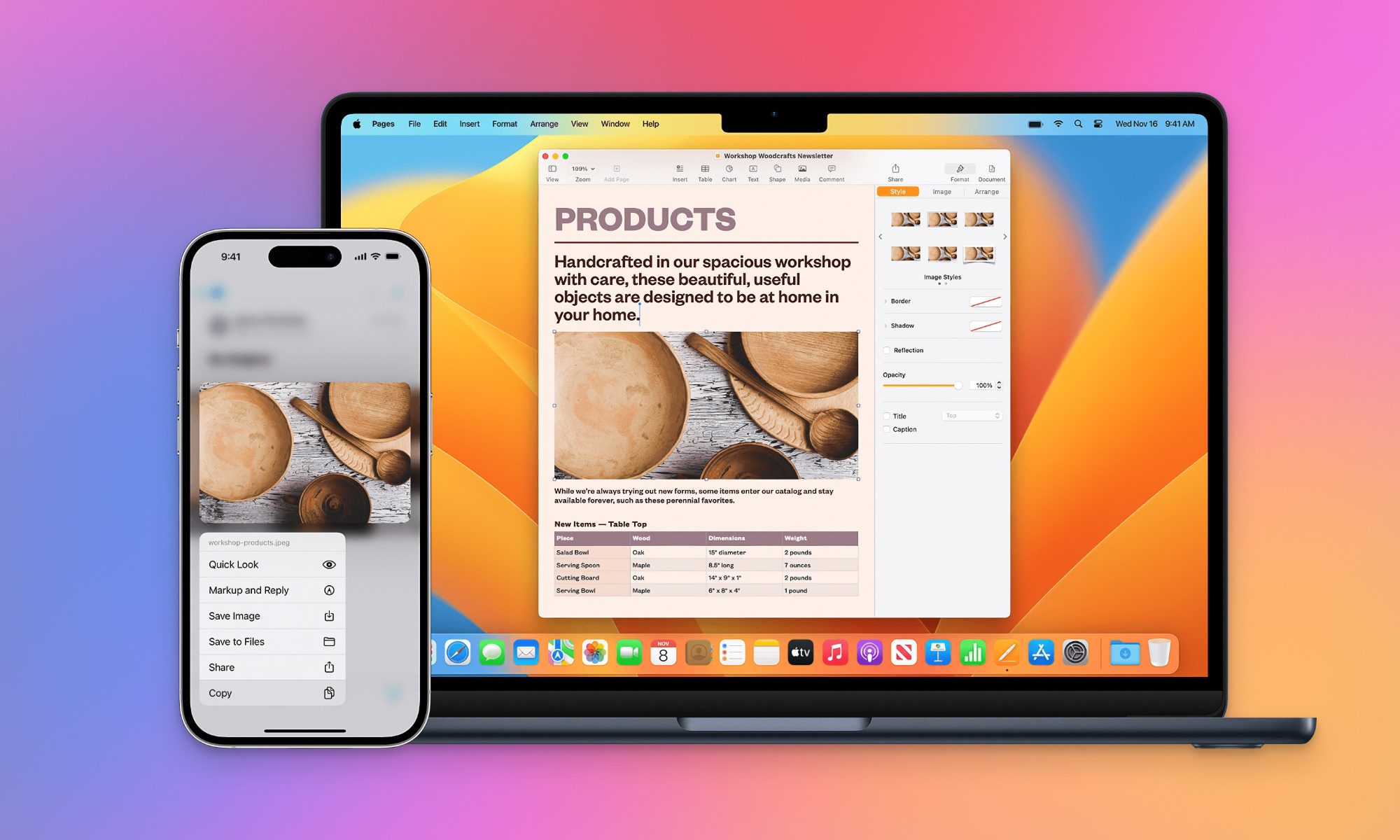
Apple Universal Clipboard feature

Copying something on an iPhone and pasting it onto a Windows PC should be one of the least remarkable features imaginable. While this simple process seems effortless between an iPhone and Mac, Windows users are still left waiting.

Now, Microsoft is formally asking Apple to provide interoperable clipboard access through the company’s European Union interoperability process. The request, submitted on March 25, argues that iOS restrictions prevent third-party platforms from creating an experience comparable to Apple’s Universal Clipboard. Apple has now reached Phase III and committed to developing a solution.

Read more
Chrome wants more extension reviews, but good ratings won’t keep malware out
Google is testing built-in extension review prompts, but good ratings can still hide malware
malicious-google-chrome-extensions-on-web-store

Google is preparing to add extension review links directly inside Chrome, putting feedback closer to the menus people already use to manage their add-ons.

A Chromium change, first spotted by Windows Report, points to review options in the Extensions menu, the chrome://extensions management page, and extension context menus. Only eligible Chrome Web Store extensions in good standing would qualify, and the feature is still under development.

Read more