1. Home
  2. Wearables
  3. Emerging Tech
  4. Health & Fitness
  5. Mobile
  6. Legacy Archives

Goodbye fitness bands: Soon, motion sensors will be woven right into our clothes

Add as a preferred source on Google

Cambridge Consultants developed a new smart textile that could make the smart clothing we currently only dream of a reality. It’s called XelfleX (it’s pronounced ex-el-flex, apparently), and by using a special fiber optic thread to track movement, it turns the very fabric of our clothes into a motion sensor.

The thread is thin, light, and flexible, plus it’s water resistant and won’t be damaged by washing, which makes it suitable for clothing worn everyday. Woven into tight fitting garments, each fiber optic thread can hold up to ten sensors, which recognize flexing joints and other movements. It can also send signals to a small power pack, then on to a smartphone. From here, custom algorithms interpret and analyze the data.

Recommended Videos

While we tend to think only about fitness tracking when considering smart clothes, XelfleX technology goes way beyond knowing how many steps we take. For example, it could be used to monitor and then train us to make a perfect golf swing, or deliver a beautiful tennis backhand, because it knows exactly where we’re going wrong.

It doesn’t only have sporting uses either. The growing interest in VR environments means a convenient, lightweight, and precise system to interpret body movements could be suitable to control next-generation games. There is also a need in healthcare for a system to accurately measure body movement in people recovering from serious injuries.

Beyond this wide variety of uses, XelfleX’s real breakthrough could be in making smart clothing actually wearable. Style is paramount, and for smart clothing to be accepted by regular people, it needs to be almost identical to its less-than-clever counterpart. It shouldn’t cost four times the price either. Cambridge Consultants’ Martin Brock, who invented XelfleX, says the sensor will allow companies to make smart clothing that is “low cost, durable, useful, and attractive to wear.”

We’ll have the chance to see XelfleX, and give it a try, at CES 2015.

Andy Boxall
Andy has written about mobile technology for almost a decade. From 2G to 5G and smartphone to smartwatch, Andy knows tech.
Wearables are helping the elderly as record heat blasts across Europe
As Europe bakes, a simple bracelet is helping keep Rome’s elderly safe
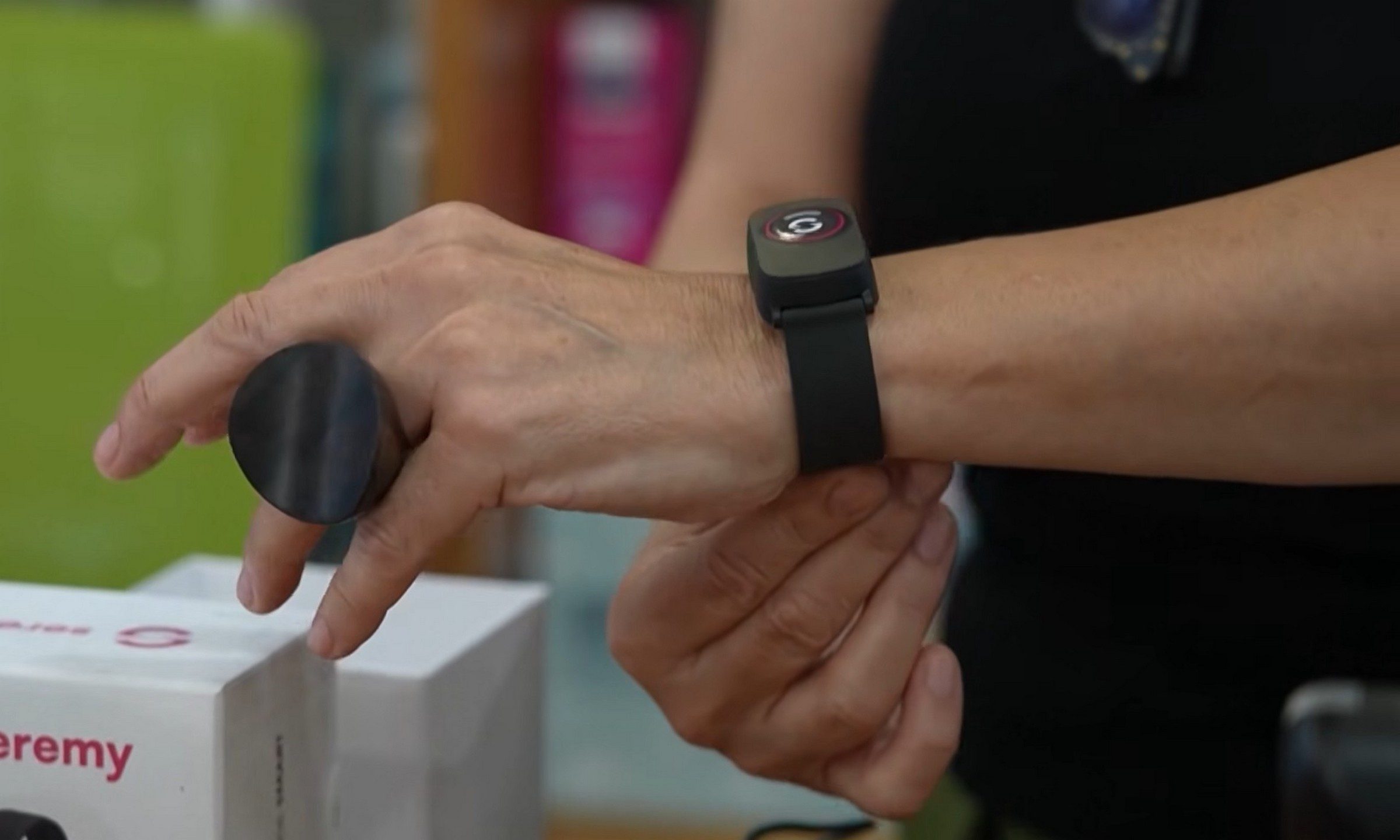
Seremy is a watch being used in Rome for the elderly

Smartbands or smartwatches immediately make you think of some wearable built for keeping track of your health and physical activities. But in Rome, they are being used to help the elderly. The new watches are being deployed to senior citizens to help them stay safe during the dangerous heatwave that has swept across Europe.

According to Reuters, the city is using electronic bracelets as part of a €400 million support scheme for older residents. The program, backed by EU post-COVID funding, currently covers about 700 people.

Read more
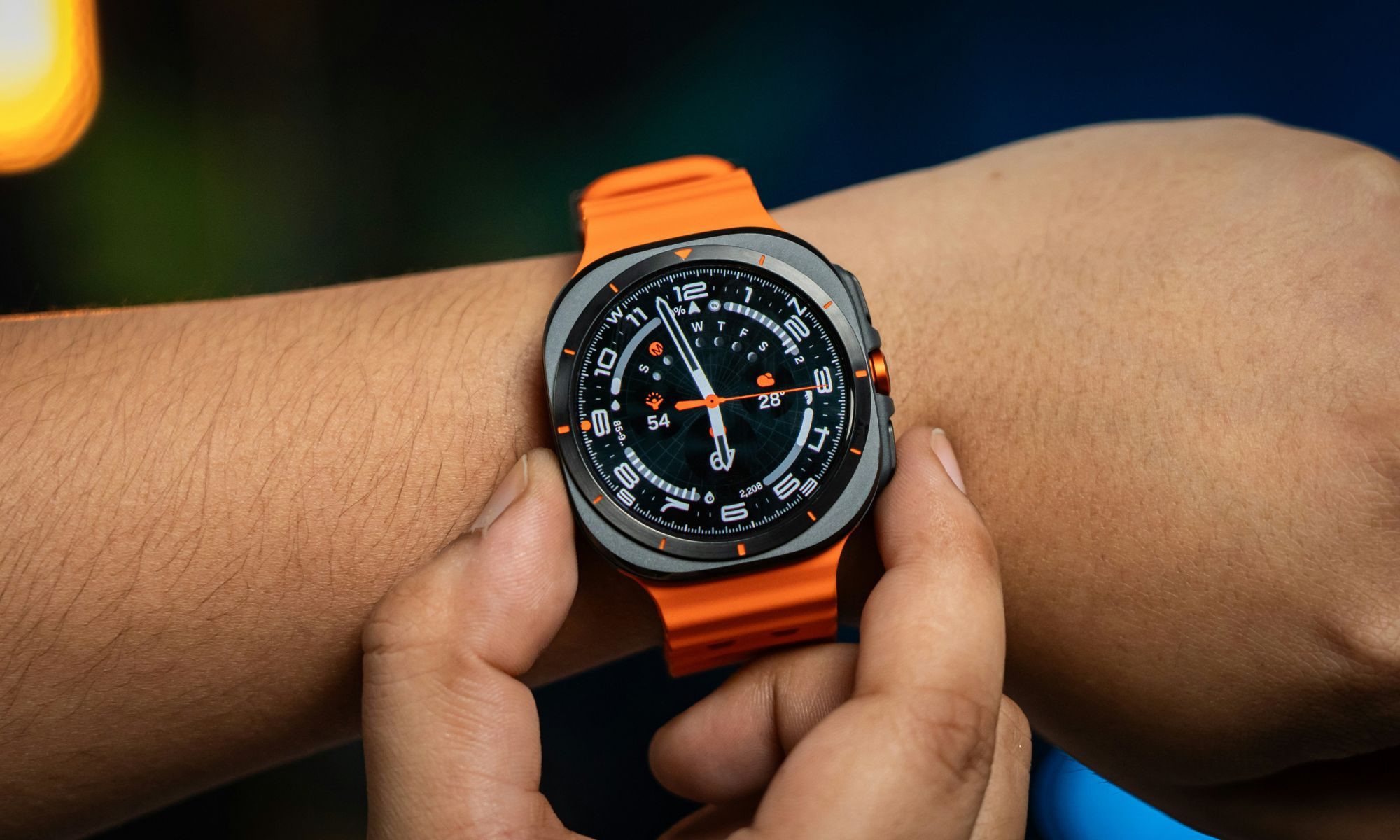
Samsung’s upcoming Galaxy Watch Ultra 2 could get a blindingly bright display, but I’m worried about the tax
Samsung Galaxy Watch

If there’s one thing that annoys me about using a smartwatch outdoors, it’s squinting at the screen under bright sunlight. Whether I’m checking directions on a walk or glancing at a notification while cycling, a dim display can quickly turn a premium smartwatch into a guessing game.

That’s why the latest Galaxy Watch Ultra 2 leak immediately caught my attention. But after reading through it, I couldn’t shake one nagging thought: all these upgrades probably won’t come cheap.

Read more
Doctors built an AI stress pal that picks body signals form your smartwatch and earbuds
This AI therapy system prototype can spot when you need help even before you ask
AI therapist representative image generated using AI

There are already plenty of mental-health chatbots online, but they all run into the same problem. The user still has to reach out first. That is not always easy when someone is stressed, anxious, overwhelmed, or simply unsure how to put their feelings into words.

Researchers at the University of Ottawa are working on a different kind of AI assistant. It is designed to read emotional cues in real time through signals from devices people already use, including smartwatches, smartphones, and earbuds.

Read more