1. Home
  2. Emerging Tech
  3. Wearables
  4. Legacy Archives

Smart glasses meet style in Osterhout Design Group’s attempt to outclass Google Glass

Add as a preferred source on Google

While Google Glass did not have a memorable 2014, it raised consumer awareness for smart glasses as a whole, which means the door is wide open for other companies to capitalize and do what Google could not. Osterhout Design Group (ODG), a company focusing on wearable head-based technology, is about to enter its horse into the race with a stylish pair of government-grade smart glasses that aims to give consumers hands-free augmented-reality (AR) power that rests on the bridge of their nose.

San Francisco-based ODG isn’t new to the world of smart glasses – on the contrary, the company has six years of experience developing its R-6 line of AR smart glasses for government and corporate partners. However, its latest iteration of smart glasses (yet to be named) is targeted at the consumer market with a price point below $1,000.

Recommended Videos

The details of ODG’s consumer-oriented smart glasses are sparse: They will be styled to look like a pair of Ray-Ban Wayfarer sunglasses, weigh 125 grams (about 0.28 pounds), support the Qualcomm Vuforia mobile vision platform (also supported by Samsung’s Gear VR), include positional sensors and run on an OS based on Android.

“Our intention is to deliver a state-of-the-art system in a consumer-friendly form that you can wear to do specific things your laptop, phone or tablet can’t, such as work privately on an airplane or train, watch 3D movies on a large screen in bright sunlight, play interactive 3D games, or obtain heads-up line-of-sight directions or instructions while keeping your hands free and your eyes engaged in your environment,” according to Pete Jameson, COO of ODG.

ODG’s R-6S smart glasses, which may offer a few clues about the company’s consumer-targeted smart glasses, look less conspicuous than Google Glass. The camera is positioned in between the two 720p stereoscopic see-through lenses, with the guts of the technology contained on the sides and atop the glasses. It runs on a 1,300mAH lithium-ion battery and has magnetic stereo audio ports with ear buds.

The company will unveil its consumer-ready smart glasses at CES 2015.

Jason Hahn
Former Contributor
Jason Hahn is a part-time freelance writer based in New Jersey. He earned his master's degree in journalism at Northwestern…
This $249 LED sign wants to fix your work-life balance
My productivity isn't worth $249... or is it?
Flipper Busy Bar

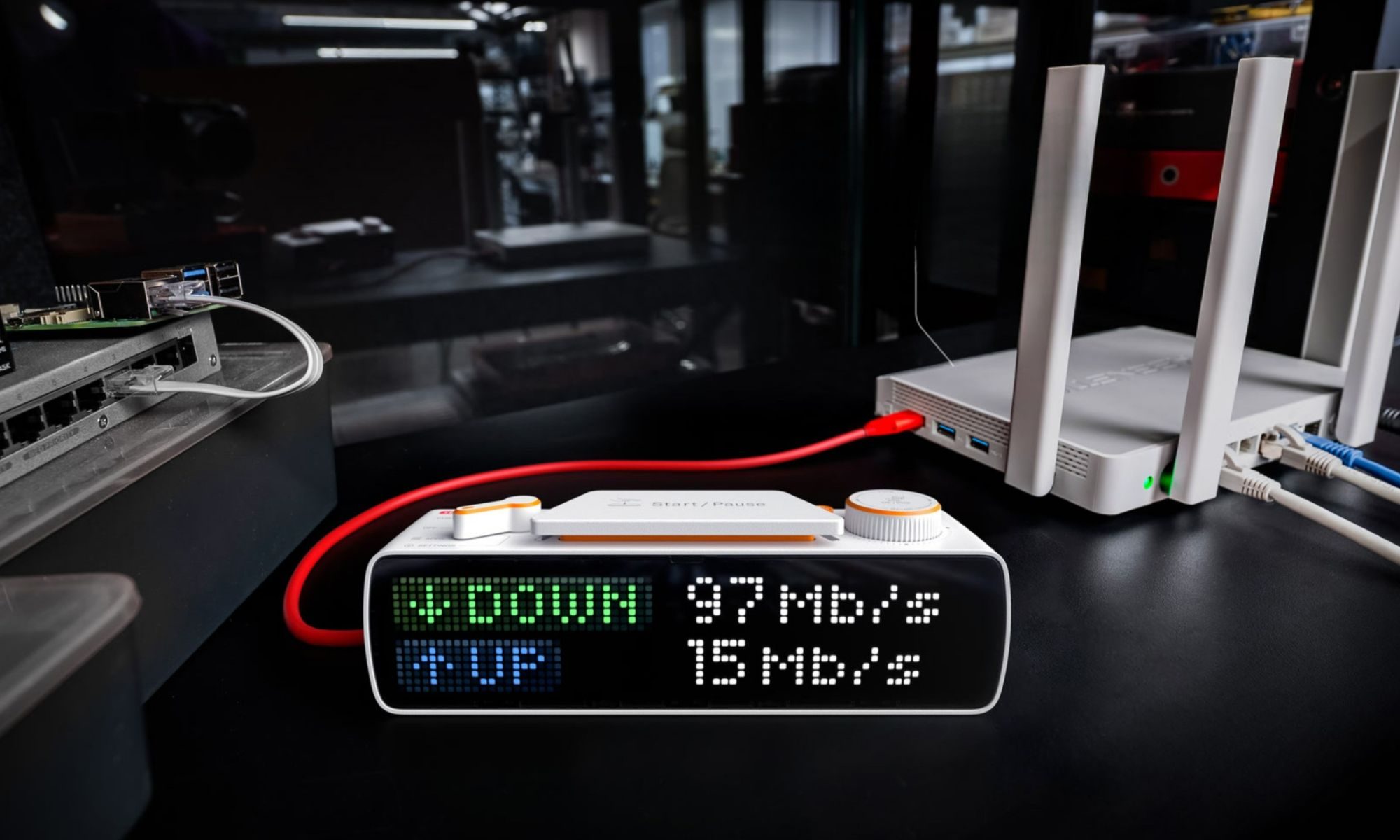
Flipper Devices has built a reputation among hackers and hardware enthusiasts with the Flipper Zero, a pocket-sized gadget capable of interacting with RFID, NFC, Bluetooth, and other wireless protocols. Now, the London-based company is taking a very different approach.

Its latest product, the Busy Bar, is a desktop productivity display designed to help users stay focused, signal their availability, and automate parts of their workflow. After being teased last year, the device is finally going on sale on July 14. While the concept is genuinely clever, its starting price of up to $249 may make many buyers think twice.

Read more
FAA clears the runway for Mach flights that could cut travel times nearly in half
New regulations could dramatically reduce travel times while keeping sonic booms under control.
Supersonic Flight Time

The dream of flying faster than the speed of sound just took a major step forward. The Federal Aviation Administration (FAA) has announced a proposed rule that would create the first noise-based certification standards for a new generation of supersonic passenger aircraft, removing one of the biggest regulatory hurdles standing in the way of commercial Mach 1+ flights.

The goal is simple: fly faster without the boom

Read more
NotebookLM’s 60-second videos turned my doomscrolling curse into something useful
Electronics, Mobile Phone, Phone

Short videos have taken over just about every app we use. You scroll through them on X, lose track of time on Instagram, watch them on YouTube, and now even Netflix has its own bite-sized feed. So when I heard that Google was bringing the format to NotebookLM, it felt both surprising and completely inevitable at the same time.

Google has announced Short Video Overviews for NotebookLM, a feature that turns dense documents and complicated sources into 60-second vertical videos that explain key ideas. Instead of staring at pages of notes, you get a quick visual walkthrough of the concept you're trying to understand.

Read more