1. Home
  2. Emerging Tech
  3. Photo Galleries
  4. News

Meet IO Hawk, the self-balancing lovechild of the skateboard and Segway

Add as a preferred source on Google

Whether you like it or not, public transportation is undergoing a transformation. At CES 2015, that transformation comes in the form of electric bicycles, skateboards, scooters — and in the case of the unconventional IO Hawk — one device designed to effortlessly glide with the unparalleled whimsy of a Segway. Joke material rarely come as easy.

The self-balancing board shares its name with the company behind the device. It measures 24.65 inches long and weighs a mere 22 pounds, while touting a modest speed of up to 6 mph. It lacks handlebars and any sort of steering contraption, its moves based instead on subtle pressure from your feet and body.

IO-Hawk-1
Brandon Widder/Digital Trends

The battery-powered Hawk responds accordingly as you shift you balance about the board, rolling forward and backward as you lean in your desired direction. Moving is remarkably easy, with most spectators on the show floor taking to the device with the ease of riding a bike after wobbling for a second or two.

The IO Hawk only grants you about an inch of clearance at best, but it can tackle slight inclines and lasts 10 to 12 miles on a single three-hour charge. It’s also equipped with a set of lights on the rear as a safety precaution, which is a bright idea considering just how silent the device is as it coasts from place to place. Now, let’s just hope it doesn’t go the way of the Segway.

The IO Hawk is currently available for pre-order in three basic colors (red, white, and black), with a starting price of $1,800.

Brandon Widder
Former Senior Editor, Living Articles
Brandon Widder is a multimedia journalist and a staff writer for Digital Trends where he covers technology news, how-to…
Remember Samsung’s Ballie home robot? It may finally be inching closer to reality
Leaked app wireframes give the strongest hint yet that Samsung's Ballie home robot, first shown at CES 2020, might still be headed toward an actual release.
Samsung Ballie robot in a room next to a dog feeder.

Samsung's rolling home robot has been the industry's longest-running "will it ever actually ship" joke, and I'll admit I'd mostly given up on it. Now, there's finally a glimmer of hope.

Samsung first unveiled Ballie as a concept at CES 2020. Then, it showed it as a significantly upgraded version four years later. However, the company never confirmed a release date or committed to releasing it at all. 

Read more
Polar is yet another AI browser, but it goes beyond just automating the mundane web chores
Polar wants to turn your browser into an AI-powered productivity tool
Polar AI browser

The AI browser race is entering a new phase. After spending much of 2025 trying to reinvent web search with built-in chatbots, startups are increasingly shifting their attention toward browser agents that can automate repetitive work instead of simply answering questions. The latest company to embrace that transition is Polar, a startup founded by former Perplexity engineer Kevin Zhang, which has raised $5.7 million in seed funding led by Madrona.

Unlike the first generation of AI browsers that targeted everyday consumers, Polar is designed specifically for knowledge workers. Its premise is straightforward: instead of replacing Google Search, the browser aims to eliminate repetitive tasks that professionals perform across dozens of browser tabs every day.

Read more
I use ChatGPT Pro everyday, and these 3 features keep me subscribed
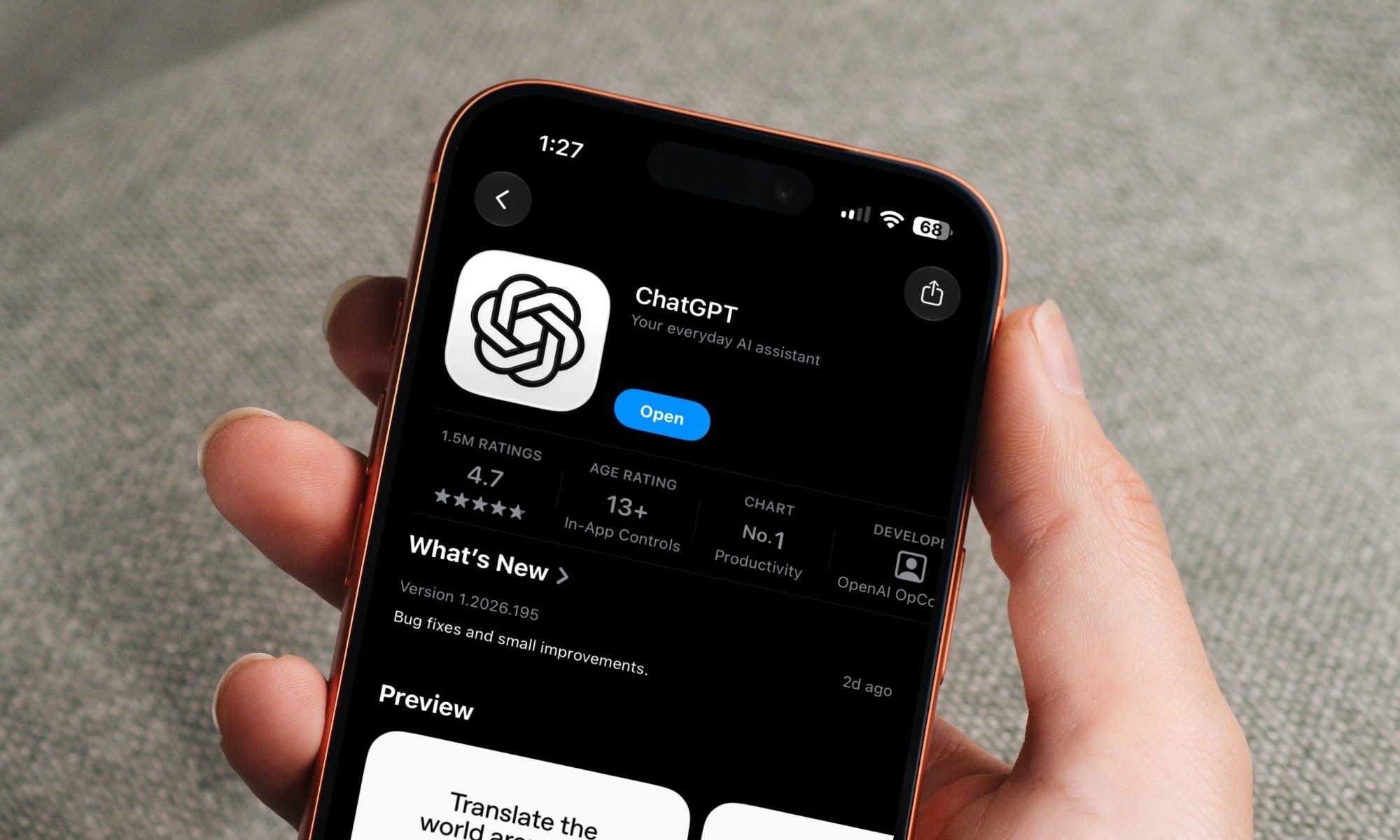
ChatGPT on iPhone

I've used ChatGPT for years, but for the longest time, I never felt the need to pay for it. Instead, I subscribed to Claude Pro because it fit my workflow better. Between regular chat and Cowork, it gave me everything I needed in one place, so paying for another AI subscription didn't make sense.

That changed when OpenAI introduced ChatGPT Work. I was curious enough to give ChatGPT Pro a proper shot, expecting to test one new feature and move on. Instead, I ended up using it far more than I expected. The more I relied on it in my day-to-day work, the more I realized it offered a few things I didn't want to give up. Those are the three features that have kept me happily subscribed ever since.

Read more