1. Home
  2. Cars
  3. Legacy Archives

Williams F1 is the first team to show off its car for the 2015 Formula 1 season

Add as a preferred source on Google

The start of this year’s Formula 1 season will be upon us before we realize it, and teams are just now pulling the sheet off of the cars they have lined up for 2015. Williams was the first to do so, showing off the Williams Mercedes FW37 race car.

Last year, Williams ended the season in third place of the championship, considering that they were in 9th the previous year. With such a massive improvement, Williams wasn’t in a hurry to fix what ain’t broke.

Williams Martini Racing FW37
Image used with permission by copyright holder

“We then went about recognising what had worked well and identifying and resolving the areas that we felt needed to be improved. Although the aerodynamics of the car were impressive there is always room for improvement particularly as we handle the new 2015 nose regulations,” said Williams martini racing Chief Technical Officer Pat Symonds.

Williams Martini Racing FW37
Image used with permission by copyright holder

Those new nose regulations, by the way, address an issue that came up last year, when the FIA drafted new rules meant to lower the front of the car. They stated that a certain percent of surface area had to be at a specific height, so instead of lowering the main structure of the front wing, engineers kept it at the height they wanted, but just added a dipped…er, “finger” to the front end to satisfy the letter of the rules. The revised regulations became more specific this year to effectively rid of the unpopular front protuberances.

Recommended Videos

Williams will continue to use a Mercedes-sourced 1.6-liter turbo six-cylinder engine that produces roughly 600-horsepower and is married to an energy recover system. This hybrid system allows recovered heat and kinetic energy to be stored in batteries, unleashing 160 hp with a push of a button when a quick boost is needed.

We’ll steadily see other teams reveal their cars as we approach the season opener on March 15th, kicking off with the Australian Gran Prix. As a team on a rapid crawl up the grid, Williams will certainly be the plucky underdog to watch fight for top spot.

Alexander Kalogianni
Former Automotive Editor
Alex K is an automotive writer based in New York. When not at his keyboard or behind the wheel of a car, Alex spends a lot of…
Your next car’s software update could become its biggest security risk
Your next car could receive updates like your smartphone. That's also becoming a cybersecurity nightmare.
OTA technology allows manufacturers to remotely deliver software updates.

Modern cars are no longer machines that stay the same after they leave the showroom. Increasingly, they're becoming software-defined vehicles that receive new features, bug fixes, and security patches wirelessly, much like smartphones. But while over-the-air (OTA) updates have made vehicle maintenance easier and cheaper, cybersecurity experts are warning that the same technology could also become one of the automotive industry's biggest security challenges.

Researchers and policymakers are now calling for stronger oversight as connected vehicles become increasingly dependent on remote software updates. Their concern isn't just about hackers stealing personal data. It's about someone potentially interfering with the operation of a moving vehicle.

Read more
This sleek Chinese EV pairs supercar styling with three AI brains
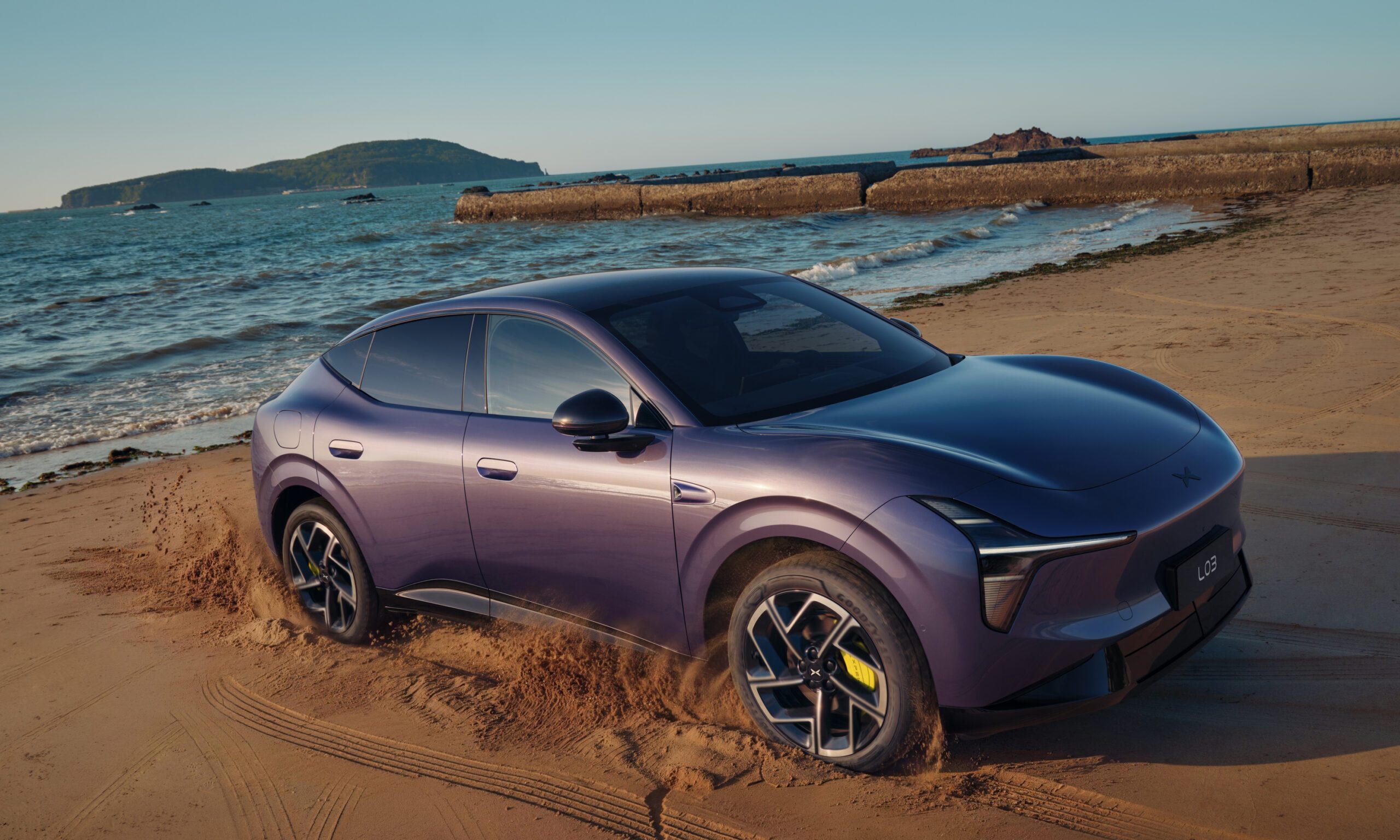
The Xpeng L03 is an AI supercomputer disguised as a stylish family SUV
Xpeng L03

Xpeng’s latest electric vehicle carries enough processing power to make the term "smart car" actually sound more realistic than it actually is. The new Xpeng L03 debuted simultaneously in Europe and China on July 16, with the company presenting it across 65 markets. Available as a fully electric vehicle and an L03 Power X range-extender, the coupe-SUV is Xpeng’s most internationally focused model so far. Market-specific prices and sales dates remain unannounced.

Three AI chips and Google Maps built right in

Read more
A new sodium battery posts wild four-minute charging numbers, but don’t expect it in an EV yet
The breakthrough could improve fast charging and battery life, but the study hasn’t demonstrated those results in a production-sized pack
EV Charger

A new sodium-metal battery has posted a charging number that makes today’s EVs look painfully slow. In laboratory testing, the cell operated at a 15C rate, equivalent to completing a charge or discharge in roughly four minutes.

That doesn’t mean researchers plugged in an electric car and watched it fill up before the driver finished buying coffee. The result came from a small experimental cell using a new quasi-solid electrolyte, while the larger pouch-cell prototype delivered far less dramatic performance.

Read more