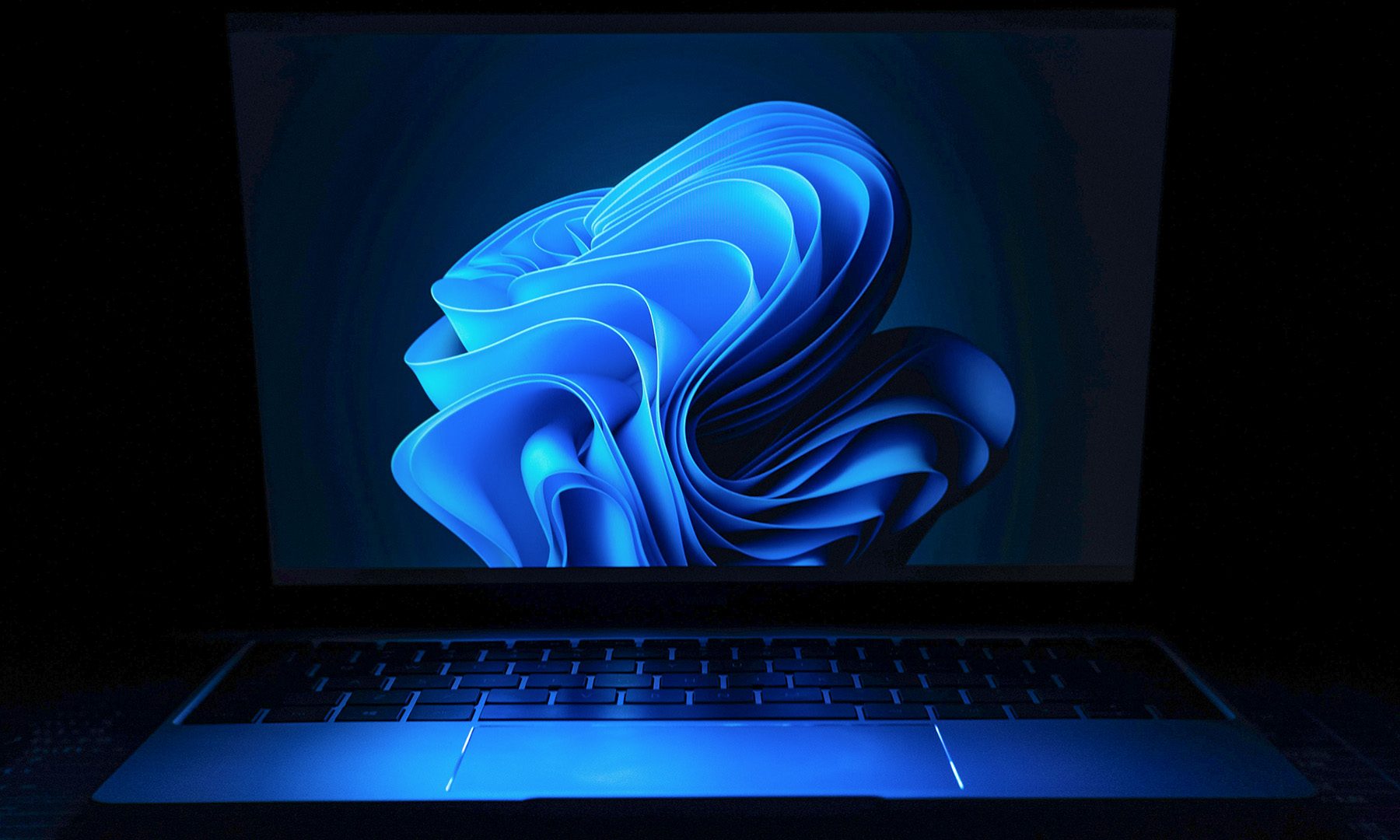
The new Chromebook Pixel is an inarguable oddity. Its pricing is incongruous with the larger Chromebook market; $999 versus $250, in many cases. And its premium build quality seems at odds with the Chrome OS philosophy: thin and disposable clients in hand, heavy-duty processing and storage in the cloud. Google is nonetheless happy to keep its high-end technology showcase alive, so much so that it designed this year’s model from the ground up, in house.
At first blush, the new Chromebook Pixel doesn’t look all that different from its predecessor, but the hardware is a notch above. Carrying over from last year’s model are two USB 3.0 ports, an SD card slot, and a headphone/mic jack, but a new addition, two USB Type-C connectors (one on either side), enable super-fast charging; replenishing the entire battery takes about 90 minutes, or 15 minutes for 2 hours’ worth of juice. The 12.85-inch display, slightly short of the newly announced MacBook at a resolution of 2560 x 1700, offers capacitive touch with an enhanced sRGB color gamut.
Internally, the base model Chromebook Pixel packs the latest generation Intel Core i5 processor, 8GB of RAM, and 32GB of RAM plus 1TB of Google Drive storage for three years. An additional $300 bumps that up to an i7, 16GB of RAM, and 64GB of storage; fittingly, the Google’s dubbed the top-of-the-line model the LS, which stands for “Ludicrous Speed.”

Externally, the Chromebook Pixel appears just as impressive. It’s carved entirely of anodized aluminum, and replete with a piano hinge for jitter-free opening and closing. It retains the heft (3.3 lbs) and angular aesthetic of its predecessor, but opts for an improved light bar on the rear display casing. Tapping the lid when closed will light the bar red, yellow, or green, according to battery level. When the Pixel’s in use, it glows rainbow.
Related: Google exec musical chairs suggests an eventual fusion of Chrome OS and Android
Unfortunately, the software is the only aspect of Chromebook Pixel which hasn’t matured by leaps and bounds. Advanced applications – photo editors and video editors, chiefly – are still beyond the capabilities of Chrome OS. Android app compatibility is coming, but still in beta. And although an offline workflow is definitely possible, most apps funnel towards cloud storage.
Ultimately, the Chromebook Pixel was and is a development platform. It resides strictly in a hobbyist sphere, one of many Google pet projects sold to the general public but not necessarily intended for them (think the Nexus Player). Even if the Chromebook Pixel doesn’t sell well, like the first Pixel in all likelihood didn’t, it doesn’t really matter; Googlers will use it, Chrome OS partners will use it, and engineers will dutifully begin work on next year’s model.