1. Home
  2. Computing
  3. Emerging Tech
  4. News

MacBook-owning Lego fans, your laptop case is on its way

Add as a preferred source on Google

If you’re a MacBook owner with a love of all things Lego, Brik Case may well be the laptop cover you never knew you desperately wanted.

Claiming to be the world’s most customizable laptop case, the simple clip-on brick plate lets you get creative during breaks from your computer-based exploits, while at the same time cleverly protecting the top of your machine from scuffs and scratches.

Recommended Videos

The innovative Kickstarter project from San Francisco-based Jolt Team recently hit its $30,000 funding goal, meaning the accessory could start shipping around the world as early as August.

brik case
Image used with permission by copyright holder

The team says most of the money will be used to finance the molds used to build Brik Case.

“We’ll need several molds for different MacBook sizes,” Jolt Team explains on its Kickstarter page. “Molds are expensive ($10,000+). Raising money on Kickstarter will help pay for the molds, packaging, engineers, and the first order of Brik Cases.”

Compatible with Lego bricks, Mega Bloks, PixelBlocks, Kre-o bricks, and K’nex bricks, Brik Case offers MacBook owners a refreshing alternative to messy stickers when it comes to jazzing up your computer, although if the kids catch sight of it, your laptop sessions may never be the same again (ie. they’ll be full of endless interruptions).

Pledge $30 and you’ll snag yourself a Brik Case together with 100 1×1 bricks, allowing you to press out your first snappy design right out of the box.

Brik Case will be compatible with MacBook Pros and MacBook Airs manufactured in or after 2013, and will ship for around $40.

Trevor Mogg
Contributing Editor
Not so many moons ago, Trevor moved from one tea-loving island nation that drives on the left (Britain) to another (Japan)…
Brave’s new Container feature is a lifesaver for anyone juggling multiple accounts
With this feature, you won't need to open three different browsers
Brave browser 3D logo

Brave has added Containers to its desktop browser, giving users a built-in way to keep different accounts, sessions, and browsing activity separate. The feature is available in Brave 1.92 for Windows, macOS, and Linux, and is rolling out in phases over the next few days.

Containers have been a highly requested feature, especially for users who regularly switch between work, personal, developer, or creator accounts. Once enabled, they let users open tabs in separate spaces where cookies and site storage are not shared outside that container.

Read more
Intel may bring back older desktop CPUs because DDR5 is getting too expensive
Older Intel Core CPUs from 10th to 14th Gen may get a second life
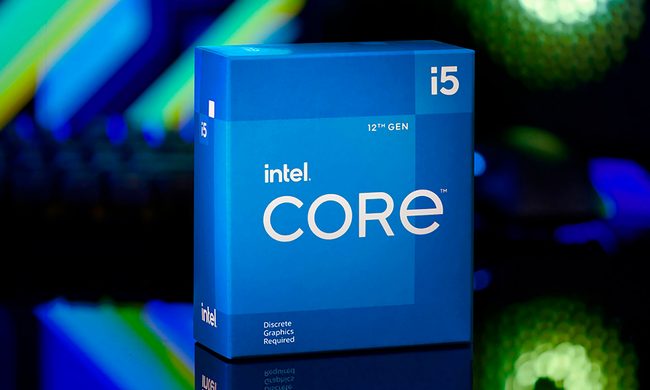
Intel Core i5-12400F box sitting in front of a gaming PC.

Intel may be preparing an unusual response to the ongoing memory crunch. According to Chinese outlet ITHome, citing ChannelGate, the company’s latest production plan includes restarting production of 13th-gen and 14th-gen Core processors.

The move is expected to increase supply across Intel’s 10th, 12th, 13th, and 14th Gen CPU families, especially in mainland China. For DIY PC builders, the timing is important. DDR5 memory prices have climbed sharply, making newer platforms harder to justify for anyone trying to build an affordable gaming PC.

Read more
Amazon wants to design in-house chips for Kindles, Fire TV, and Echo speakers
Apple did it first. Amazon is doing it now, starting with 40 million chips a year and a partner most people have never heard of.
Amazon Kindle Scribe dark mode featured image.

Apple's decision to design its own chips reshaped the consumer electronics industry. Amazon may be about to make the same call, just about two decades later.

Supply chain analyst Ming-Chi Kuo reports that Amazon is preparing to shift away from externally sourced processors for its consumer electronics lineup, marking what he describes as the company's first major processor procurement change in 20 years. The transition is expected to begin in 2027.

Read more