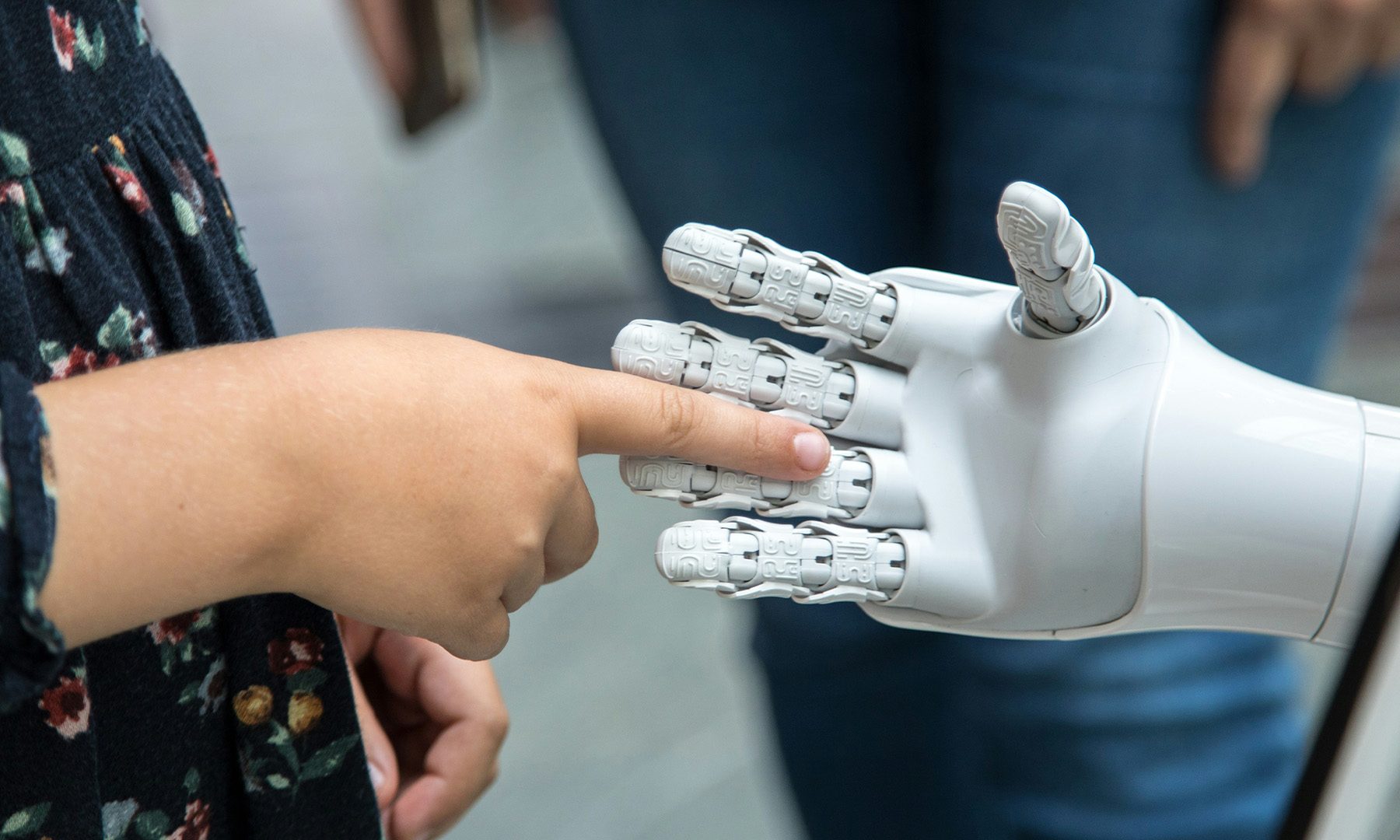
While there are those who have warned against the dangers of bionic beings and artificial intelligence, one solution to combating the rise of the machine may be to turn ourselves into one of them. And with the latest innovations at Massachusetts General Hospital, this may be closer to reality than to science fiction than ever before. Scientists in Boston have successfully grown a rat limb that may revolutionize the ability of doctors to perform whole-limb transplants. Already, the technique known as decel/recel has been used to create kidneys, lungs, and hearts in a petri dish, and now researchers believe that larger organs are in reach as well.
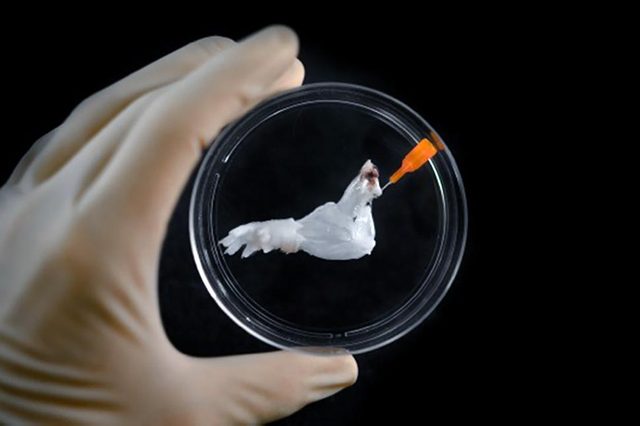
The rat’s forearm, grown entirely in a laboratory, is the world’s first biolimb, and scientists are cautiously optimistic about what this may suggest for the future of human medicine. This latest decel/recel approach is unique it its whittled-down mechanical application, as it examines biology from an engineering perspective. The technique effectively washes the limb of its deceased owner until only its most basic structure, or its “scaffold” remains. Once scientists are left with only the mold of the original, they provide the new cells that will grow into an entirely new limb.
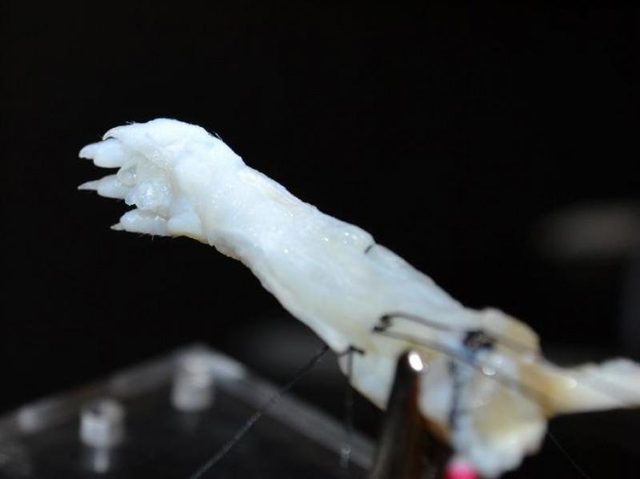
In the case of the rat’s limb, it took just under three weeks for the structure to regrow itself completely, including blood vessels and muscle, and the research team was left with the comparatively simple task of adding skin grafts to complete the forearm. Daniel Weiss, a lung-regeneration specialist from the University of Vermont College of Medicine, told The New Scientist, “This is science fiction coming to life.”
Even more incredibly, scientists found that these detached limbs moved with considerable strength when activated by an electrical pulse. The team at Massachusetts General saw the forearm clench and unclench its paw with around 80 percent of the strength of a newborn rat. While researchers have yet to test whether or not a living animal would accept or reject the biolimb, a huge problem with foreign implants, there is good reason to believe that these lab-grown limbs would not face this problem, at least to the same extent. Because scientists could use the receiving patients own cells to grow the new limb, using only a foreign template, the chances of rejection seem relatively lower than before.
The potential impact of this development is enormous, with 1.5 million amputee patients in the United States alone. Harald Ott, who led the team behind the first biolimb, told the Washington Post, “Even with prosthetics, many patients who have forearm loss do not regain full independence in terms of taking care of themselves, because the dexterity of these devices is not quite there yet.”
But a biolimb may begin to fix that problem. In the future, Ott said, it may be possible for human beings to donate their external body parts in the same way that they donate internal organs. By simply providing the scaffold, or the template, upon which new limbs can be grown, Ott’s team may have opened the door to an entirely novel medical practice.