1. Home
  2. Computing
  3. Mobile
  4. Web
  5. News

Like Google and Yahoo, Bing will soon encrypt all search traffic by default

Add as a preferred source on Google

It’s got to be tough running a search engine when your competition is so ubiquitous that people use its product’s name as a verb, but that doesn’t mean Microsoft is about to give up on Bing. The search engine is slowly but surely growing in popularity, and this summer it’s going to beef up its security too.

Encrypted search has been an option available to Bing users for roughly a year and a half now, but it hasn’t been turned on by default as it is for Google users. Even Yahoo, which is powered by Bing, turns this option on by default. Fortunately, Bing has decided to adopt this practice as well starting this summer.

Recommended Videos

Bing will still pass along referrer strings in searches, which let webmasters see that the traffic to their sites came from Bing, but in order to protect users’ privacy, the actual query that led users to a site will no longer be included. Marketers can still use Bing Webmaster Tools to get an overview of search terms and keyword rankings, but this will not expose users’ personal information.

“Microsoft has a long history and deep commitment to helping protect our customers’ data and the security of their systems,” senior product manager for Bing Duane Forrester wrote in the blog post announcing the upcoming switch. “While this change may impact marketers and webmasters, we believe that providing a more secure search experience for our users is important.”

While this might seem like too little too late, it could also be seen as better late than never. And it’s important to note that Bing is still on the rise. Earlier this year we reported that Bing’s share of the search market had risen to 20 percent for the first time ever since its launch in 2009. And Bing has further room to grow as well, as in addition to powering Yahoo search, it’s also the default search engine for Amazon’s Silk browser as well as Apple’s Siri and Spotlight.

There is no word on when exactly the change to encrypted search by default will happen, but considering that the first day of summer is only a few days away, it could be soon.

Kris Wouk
Former Contributor
Kris Wouk is a tech writer, gadget reviewer, blogger, and whatever it's called when someone makes videos for the web. In his…
OpenAI is killing ChatGPT Atlas browser. I loved it, but it was an uphill race to the top
It was a trailblazer in a few ways, before it was copied down to its skeleton.
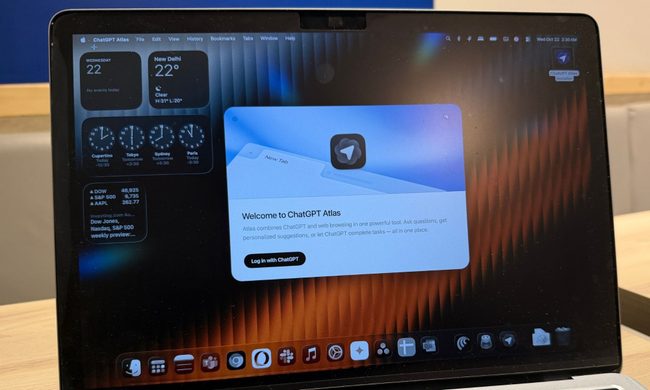
ChatGPT Atlas browser on a MacBook.

When OpenAI launched its own web browser, there was plenty of skepticism as to why a frontier AI lab is even bothering with making a browser in the first place. And yet, the company went ahead and launched ChatGPT Atlas with a heavy dosage of AI features built in. Well, the days of browser ambitions are over, and it will be put on cold ice in September this year.

OpenAI says it is sunsetting the short-lived browser in favor of pushing the new ChatGPT work desktop app, which already has a built-in browser as well as a cloud browser for AI agents. And now that ChatGPT is making its way to other browsers, such as Chrome, as an extension, there is little need for maintaining a dedicated browser project of its own.

Read more
Windows 11 Search is getting bigger, but only by 4 pixels
The change could be in preparation for the upcoming Ask Copilot feature
Windows 11 Laptop

If you have used Windows 11 Search after the June update, you may have noticed it feels a little less annoying. Microsoft recently made the Start menu and Search more responsive, and also fixed one of Search’s stranger limits by letting it find local files using just two characters.

Now, the company appears to be making a much smaller change. According to Windows Central, Microsoft accidentally revealed that the search box in the Taskbar and Start menu is getting 4 pixels taller. Four pixels sounds like the kind of change only a UI/UX designer could love, but screenshots from the Insider Preview build suggest it is visible once you know where to look.

Read more
Claude Reflect is here. It’s your usual yearly Wrapped, but with Anthropic’s AI
It also makes you reflect on your usage and reminds you to take breaks.
Page, Text, Business Card

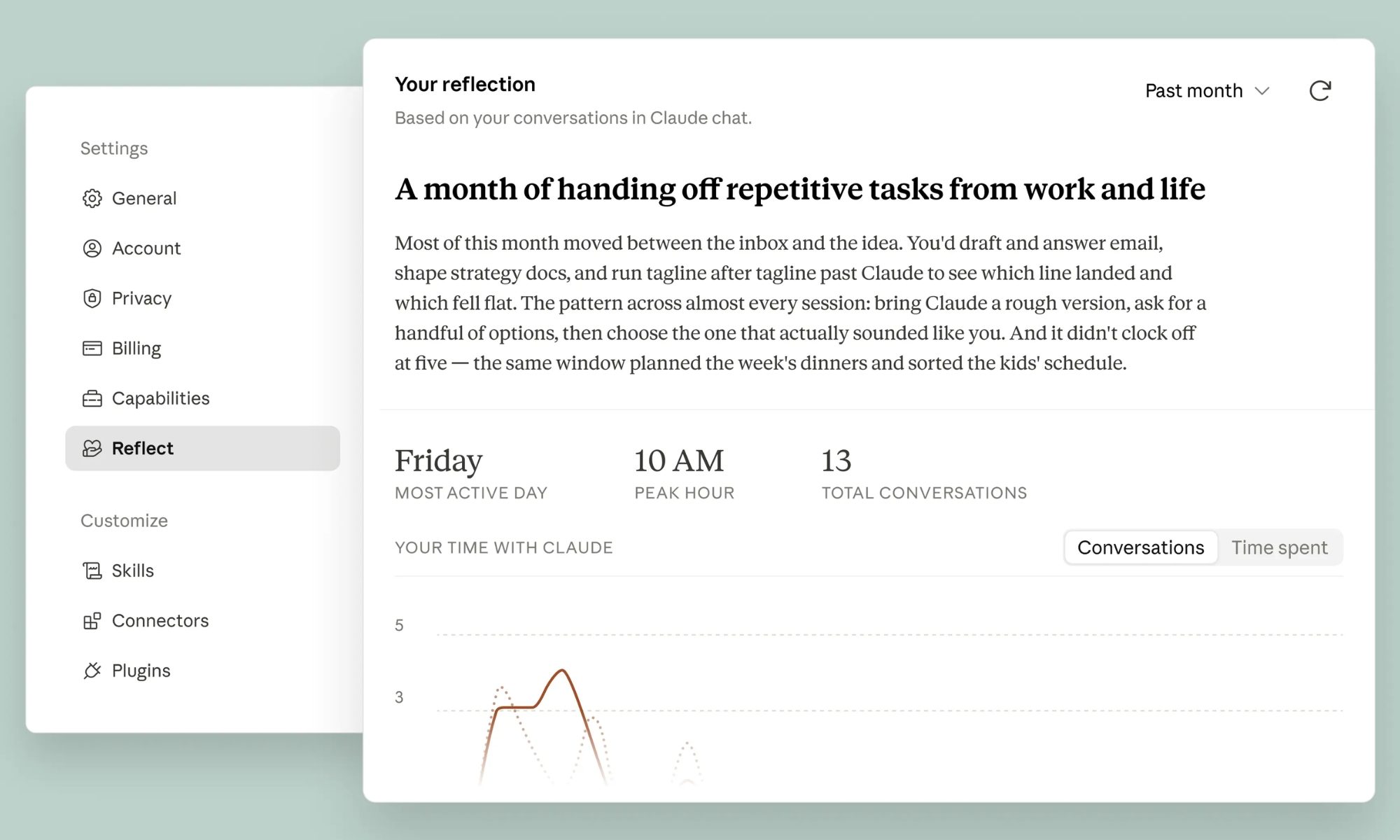
Anthropic just launched a usage analytics dashboard for Claude. It’s like the ‘Wrapped’ feature you see every major streaming or AI service announce at the end of a year, except it’s not called Claude Wrapped.

The feature is called Claude Reflect, as it does more than simply tell you what you’ve been using the AI for. Available in beta for free, Pro, and Max users who have enabled memory, the feature encourages mindful use of Claude or other AI tools. 

Read more