1. Home
  2. Computing
  3. Virtual Reality
  4. News

Oculus buys hand-tracking firm Pebbles Interfaces

Add as a preferred source on Google

Now that Facebook owns VR firm Oculus, the firm has much deeper pockets, allowing it to simply buy companies that offer technology that could make its VR offering all the more impressive. Today, Oculus took to its blog to announce that it had acquired another such firm, this time the hand tracking firm known as Pebbles Interfaces.

“We’re excited to announce,” runs Oculus’s related statement, “that we’ve entered into an agreement to acquire Pebbles Interfaces — one of the leading teams in depth sensing technology and computer vision.”

Recommended Videos

Because the acquisition is still in the early stages, Oculus has not announced any plans for what it intends to do with the company and its technology, but with the outcry of people who were not happy that an Xbox controller was the first method of input for the headset, having real hand-tracking down the line could help make the VR experience quite a bit more authentic.

Oculus didn’t officially disclose a dollar amount for the purchase, but the Wall Street Journal is reporting that Facebook paid $60 million to bring the company and its technology into the fold.

As for Pebbles Interfaces, the key advance that the Israel-based firm has developed is technology that offers the ability for a user to see their own hands and fingers when looking at them in VR, something that helps to remove a great deal of the disconnect between the real world and the virtual one. Oculus says that, “Pebbles Interfaces will be joining the hardware engineering and computer vision teams at Oculus to help advance virtual reality, tracking, and human-computer interactions.”

Oculus posted a demo video of the technology, which you can see below:

Pebbles Interfaces immersive 3D real-time hands!

This is another in a fairly long line of acquisitions for Oculus, with the company having just recently purchased Nimble VR and Surreal Vision. In total, Oculus has purchased six other firms, and with Facebook behind it, there’s every reason to expect that more purchases of companies that can help improve its VR offering are to follow.

Dave LeClair
Former Digital Trends Contributor
Dave LeClair has been writing about tech and gaming since 2007. He's covered events, hosted podcasts, created videos, and…
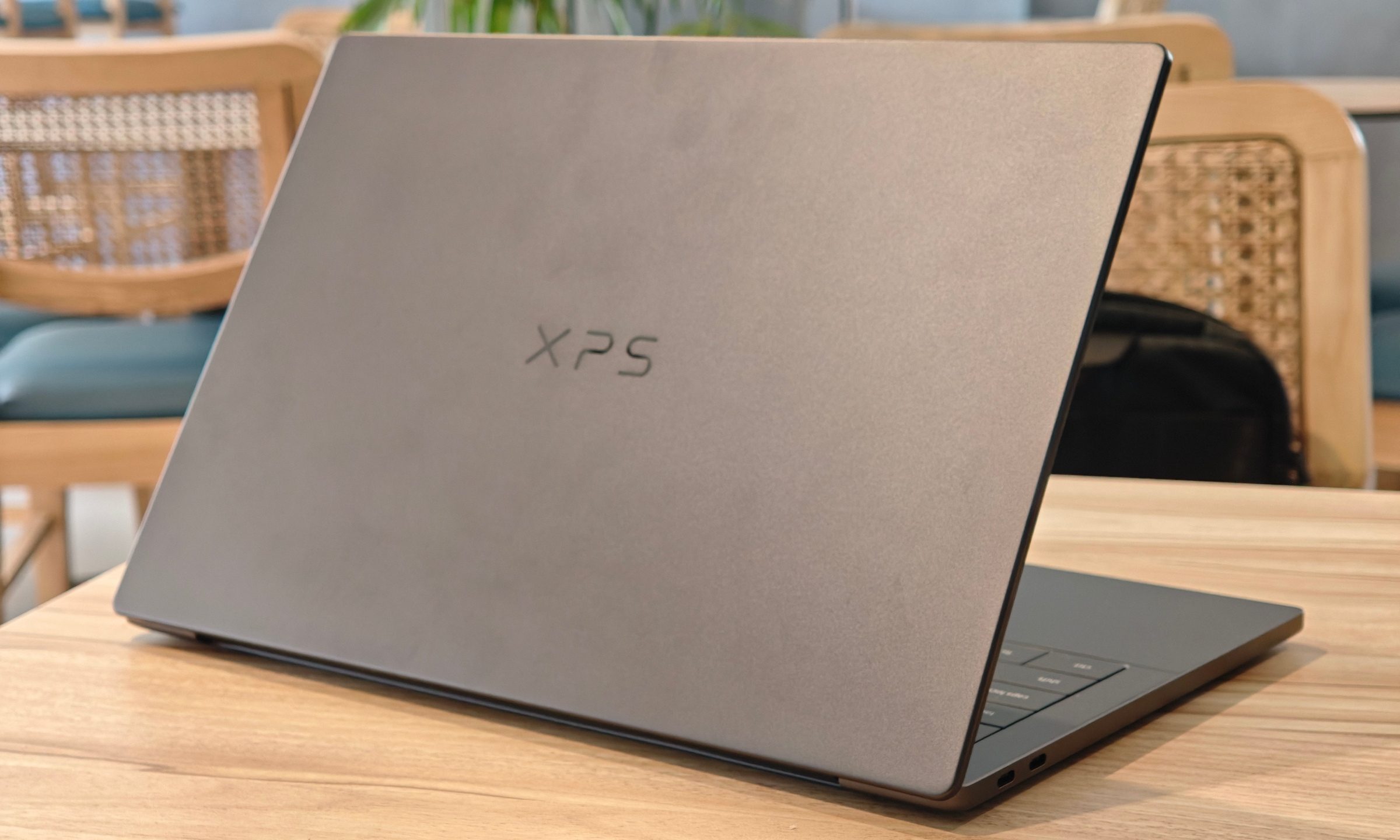
Dell XPS 14 (DA14260) Review: Dell’s classic Windows laptop returns, and it’s hard to put down
The icon returns, and shows why it's still relevant
Dell XPS 14 Review: Featured

Quick take

Dell’s XPS line has always carried a certain weight. It is one of those Windows laptop families that people recognize even if they don’t follow laptops too closely. Clean design built with premium materials, sharp displays, and high-end hardware. The Dell XPS 14 DA14260 continues that legacy. 

Read more
Samsung’s secret AI chip could finally cool down Exynos phones
Samsung's GAIA AI chip is landing in laptops first, but its shared DNA with Exynos hints at a real fix for phones down the line.
Samsung Exynos chip illustration.

If you've ever owned an Exynos-powered Galaxy phone, you already know the drill: heavy tasks like capturing back-to-back pictures or photos for a while, heavy gaming, or rendering videos turn your device into a hand warmer. 

In such a situation, the battery bar drops faster than usual as well. Turns out, Samsung might be working on the fix, and it's coming in a way nobody expected.

Read more
Buying a monitor? This Mac app can expose problems before the return window closes
Your new monitor may look perfect, but it doesn't hurt to double check.
Screen Test v1.1

Making a brand-new tech purchase doesn't always carry the guarantee of a perfectly functioning unit. But a tiny Mac app called Screen Test can help you find a defect before it gets too late. Screen Test (version 1.1) is a native macOS utility containing more than 25 patterns and diagnostic tools for evaluating built-in and external displays. It can help reveal dead or stuck pixels, backlight bleeding, and other issues. The app works completely offline, so you don't have to rely on browser tabs or an internet connection.

Every pixel gets scrutinized

Read more