The virtual reality headset industry is far more mature than when it re-emerged with exciting new hardware in 2016, but Oculus and HTC’s flagship PC headsets are still two of the best choices out there.
Yes, there are other versions of these PC headsets, and while you might be more excited about the HTC Vive Pro, Oculus Go, or Oculus Quest, the Oculus Rift (and updated Rift S model) versus HTC Vive (now currently on the Cosmos line of products) comparison is still a major debate worth having when it comes to picking the right VR headset for you — especially if you already have a capable gaming PC.
Design
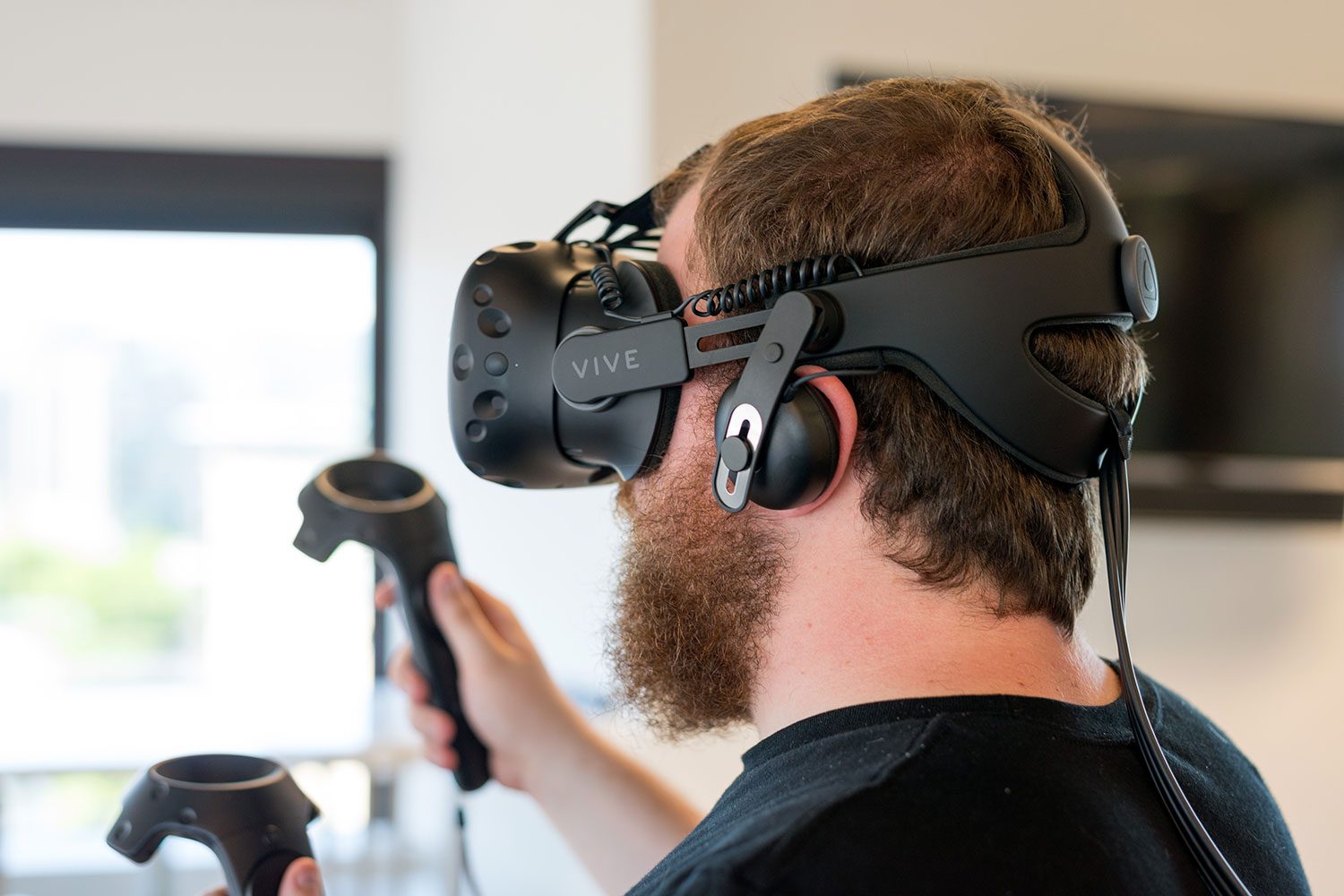
The Rift and Vive both use adjustable Velcro straps and comfortable padding on the interior faceplate. The Rift S is the lightest at around 1.2 pounds, while the Vive Cosmos comes in at 1.5 pounds. If you like, you can update the Vive with the Deluxe Audio Strap, though it is an extra $100. With Vive’s Cosmos line, which has replaced older Vive headsets, you also get modular faceplates for a lot more customization. Vive is also now offering a wireless adapter if you’re annoyed by cords and want more freedom of movement.
The Rift, on the other hand, showcases a sleeker, fabric-coated exterior design and smaller footprint. It’s easier to get on and off and is a little more comfortable over long periods of use. The Rift S, designed to replace the original Rift, has an updated fit wheel for getting a more comfortable fit and a larger halo headband to add a lot more support — albeit with extra weight as well. Rift has also released a flip-up hinge design for developers who are switching back and forth as they design their own games.
Both models accommodate glasses (though with some added discomfort). The Vive connects via USB and HDMI to your PC, while the Rift S uses DisplayPort or miniDisplayPort.
Display quality, field of view
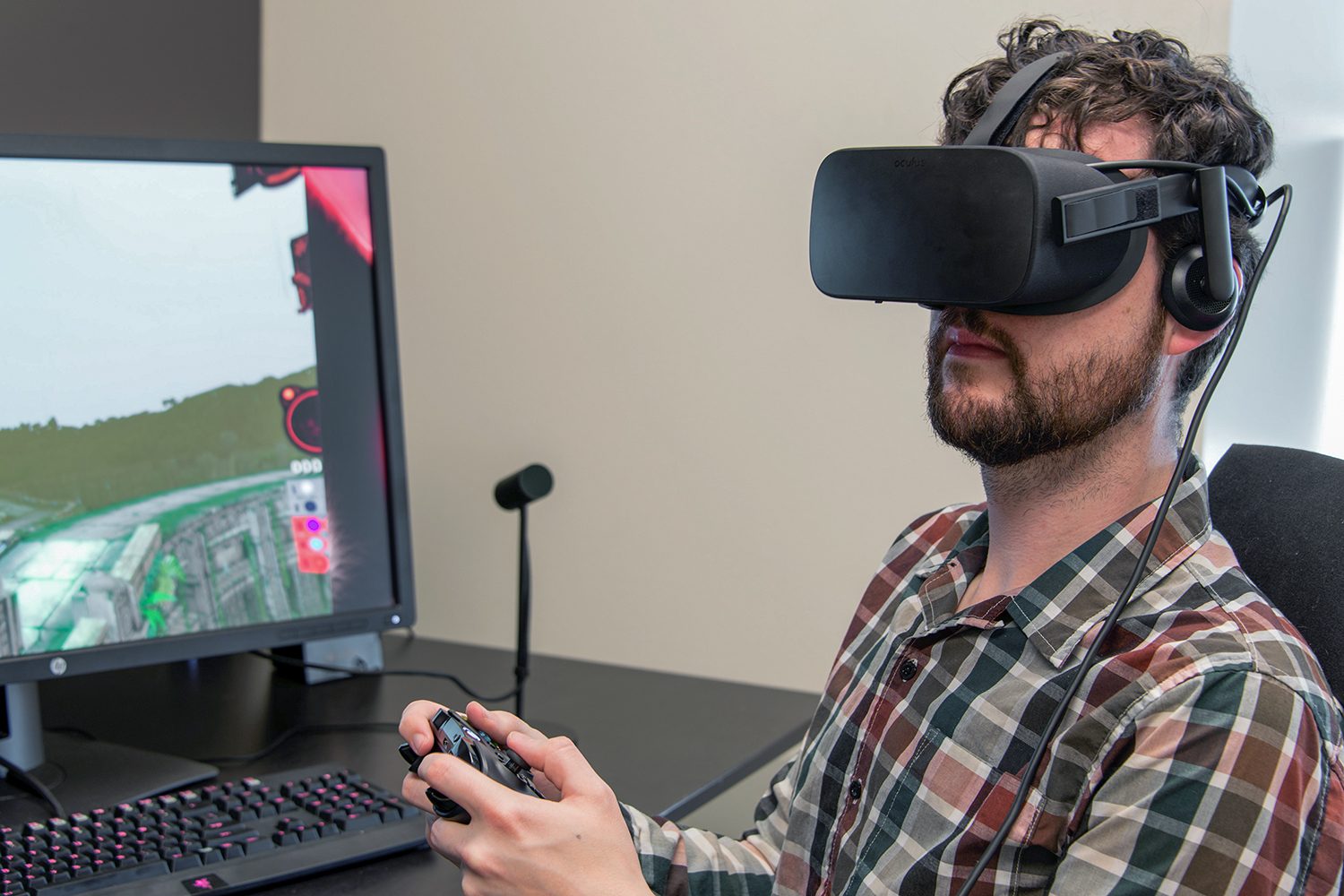
The Vive Cosmos is outfitted with a pair of vibrant OLED displays, with a combined final resolution to 2,880 x 1700, with 90Hz refresh rates, thus ensuring the frame rate is high enough to prevent motion sickness and provide a smooth experience overall. However, while the updated Rift S does increase resolution to 25660 x 1440 with a singular LCD screen, it can’t quite match the combined resolution of the Vive screens.
By the specs sheet, both headsets also offer a 110-degree field of view (FOV), though in actual usage there’s a lot of subjective evidence (and some slightly more scientific) to suggest that the Vive offers a slightly wider and certainly taller field of view. It’s not hugely noticeable when you’re in the midst of gunning down robots or exploring abandoned buildings, but it’s there.
One aspect that does affect the visuals of each headset is their lens designs. While there are some differences in manufacturing style, the only time it’s noticeable is when bright objects appear on darker backgrounds. The Vive has somewhat obvious concentric rings that appear due to the lens’ machining. In comparison, the Rift has a more general aura around the bright objects.
Controls and tracking

The Rift and the Vive both use custom, motion-tracked controllers — known as Oculus Touch and Vive Controllers, respectively. Although an Xbox One controller initially shipped with the Rift, the Touch controllers now come as standard. Read our hands-on for the details, and keep in mind the controllers were updated with the Rift S for better performance, although they are very similar.
The Touch controllers have a joystick and button setup. They utilize the same low-latency tracking technology that determines the relative position of the headset and allows for some simple gesture mapping based on how you’re holding the controller. The design allows the pair of controllers to function more like your real hands when gaming, capitalizing on internal tracking sensors and haptic feedback.
The Vive’s controllers function much like a modified Steam Controller. They sport touch-sensitive, circular pads under your thumbs, and trigger buttons that act as primary selection buttons. There is also a pair of grip buttons on the sides, which some developers have used for in-game grasping mechanics. When the Cosmos line arrived, it got rid of the “lighthouses” that needed to be installed in the room and replaced them with six internal cameras instead. The brand also updated the controllers a bit, although they still work much the same as they did.
The original version of the Rift setup uses a pair of “Constellation” tracking cameras, which use infrared light to offer 360-degree positional head tracking in a short, but broad and deep play area. However, the updated Rift S model makes a huge upgrade with five internal tracking “Insight” cameras that remove the need for external tracker set up. The latest lines for both Rift and Vive don’t require any satellite devices, allowing for easier setup and freer movement — and staying relatively equal to each other.
Both headsets project a virtual grid at the edge of your virtual play space to stop users from walking into walls.
Software
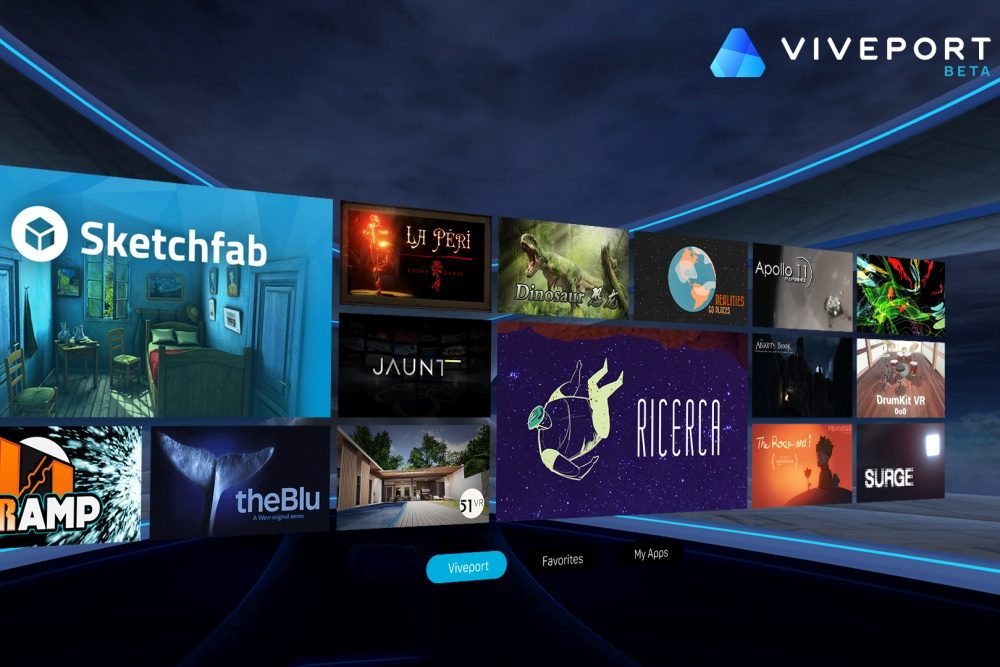
The Oculus Rift is compatible with software through the Oculus Home store, as well as supporting games through Steam and most recently HTC’s Viveport store too. The headset currently comes with seven games: Lucky’s Tale, Medium, Toybox, Quill, Dead and Buried, Dragon Front, and Robo Recall. The Rift store has a decent library of titles, though the total is noticeably less than that of the Vive’s catalog.
HTC’s Vive is designed to primarily work with Valve’s Steam platform. Steam has a catalog of thousands of games and experiences to enjoy, and ultimately gives the Vive the most extensive content library of any VR headset right now. When you buy the headset, you also get a code for free games of your choice, as well as a free subscription to its Viveport game rental service.
Pricing
The HTC Vive Cosmos is available for $799.99, while the Oculus Rift S sells for $399.99. Both models come with their controllers, but all other accessories will cost you. Obviously this put the Rift S far ahead if you want to save money!
However, pricing currently comes with an important caveat: Due to 2020 conditions, no Rift models are currently available, including the Rift S. Sites that do have the Rift S or used versions have jacked up prices to the point where they aren’t worth buying. Oculus needs to update its manufacturing situation before this is resolved, so it may be better to wait if you want this headset.
The HTC Vive is still the best
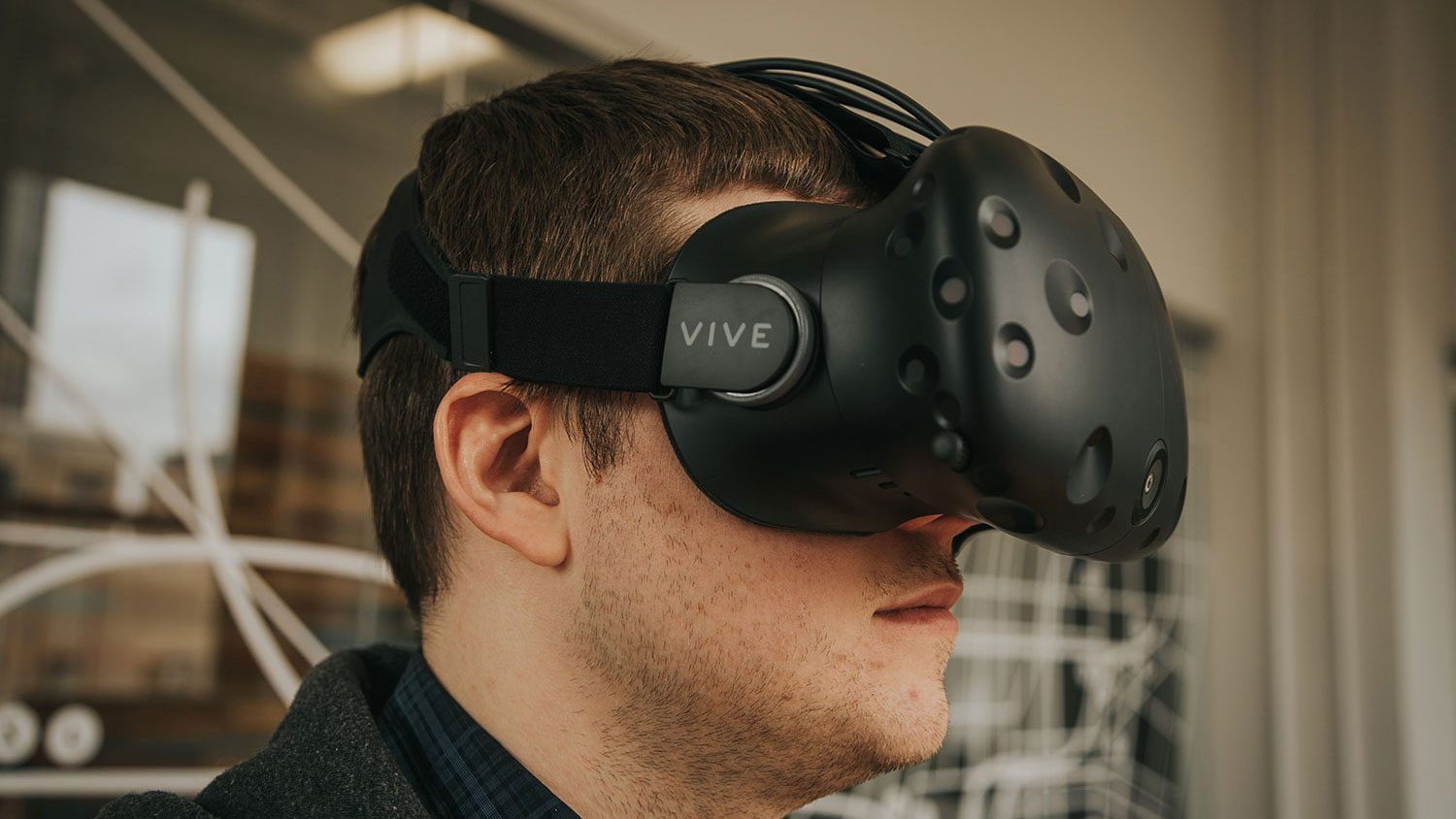
When pitted head to head, many of the hardware specs are comparable between the Rift and Vive. While the specifications make it difficult to declare a winner, our personal experiences with the Vive have been more favorable, as you can read in our review. Vive’s updates and customization options have also been more impressive and offer better quality of life. Even though the Oculus Touch controllers bring the experience up to par with the Vive, the room-scale focus of the HTC headset still feels like the better choice.
The one outlier is the price: The Rift S at market price is significantly less expensive than the Vive Cosmos, which is a fact worth considering based on your budget.