1. Home
  2. Computing
  3. News

Digital Trends may earn a commission when you buy through links on our site. Why trust us?

Best Buy will take $100 off the price of a Surface Pro 4 if you trade in an old laptop

Add as a preferred source on Google

Is your laptop old and clunky? Do you look on at the new Surface Pro 4 convertible tablets with envy? Then never fear, Microsoft and now Best Buy have you covered. While the former has been offering a $300 trade-in value against certain hardware, Best Buy is now offering $100 (and perhaps more) off of the price of a Surface Pro 4 if you trade in any old laptop; as long as it’s working that is.

There are a couple of other stipulations that Best Buy wants everyone to be aware of (via Windows Central). For starters, the scheme will run only until November 7th and any coupons received as part of the trade-in must be cashed before the 14th of that same month, so the time to take advantage of this is limited.

Recommended Videos

There are also products that Best Buy will not be offering the voucher for. That includes things like cracks in the body of the laptop, water damage to any components whatsoever and a problematic power supply. The laptop will need to turn on at the least, to get some cash-back.

Related: Best Buy doesn’t always wipe returned devices, so delete those ‘artful nudes’

For some reason, Best Buy is also giving out the trade-in money in two different forms. $90 of the value will be a receipt coupon towards a Surface Pro 4 and at least $10 as a Best Buy gift card. Condition, documentation and available accessories may affect the trade-in value of your laptop.

Considering the story we covered earlier this year of Best Buy not always wiping the data on trade-in devices, it comes as no surprise that the company has also released a notice saying that it is the responsibility of the owner to wipe their data from the device before trading it in.

There is also a limitation of one trade-in per person and one per transaction.

Also no “rain-checks” — you welcher.

Jon Martindale
Jon Martindale covers how to guides, best-of lists, and explainers to help everyone understand the hottest new hardware and…
What happens when AI detectors fail? Researchers say we must be trained to spot fake AI faces
Researchers say spotting AI faces may soon depend more on people than software
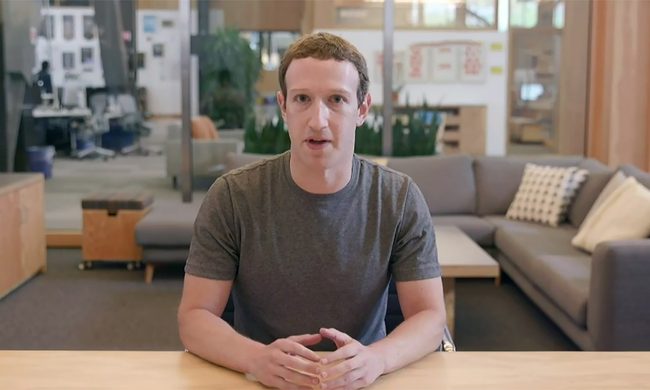
Zuckerberg Deepfake

Artificial intelligence has become remarkably good at creating fake human faces. So good, in fact, that the old tricks people relied on - counting fingers, spotting warped earrings, or looking for distorted backgrounds - are quickly becoming obsolete. According to a new study highlighted by the BBC, the next line of defence may not be a better AI detector at all. It might simply be a better-trained human.

Researchers from the University of Aberdeen, working alongside Australia's National University, found that people can dramatically improve their ability to distinguish AI-generated faces from real ones after a relatively short period of structured training. Instead of hunting for obvious visual glitches, participants were taught to recognise subtle patterns that modern image generators still struggle to replicate consistently.

Read more
Google’s new Magic Pointer Play Store listing reveals a Gemini shortcut built for Googlebooks
The unannounced app turns the cursor into a contextual AI tool for search, image creation, and shopping
Plant, Text, Business Card

Google has quietly published a new Play Store listing for Magic Pointer, an unannounced app built for Googlebooks. Updated on July 10, the app turns the cursor into a Gemini shortcut that can act on whatever a user selects on screen.

Magic Pointer can send an image to Lens, generate a related image, or surface a shopping action without forcing users to open a separate chatbot. Regular Android devices currently show as incompatible, so the listing offers an early preview rather than a broad release.

Read more
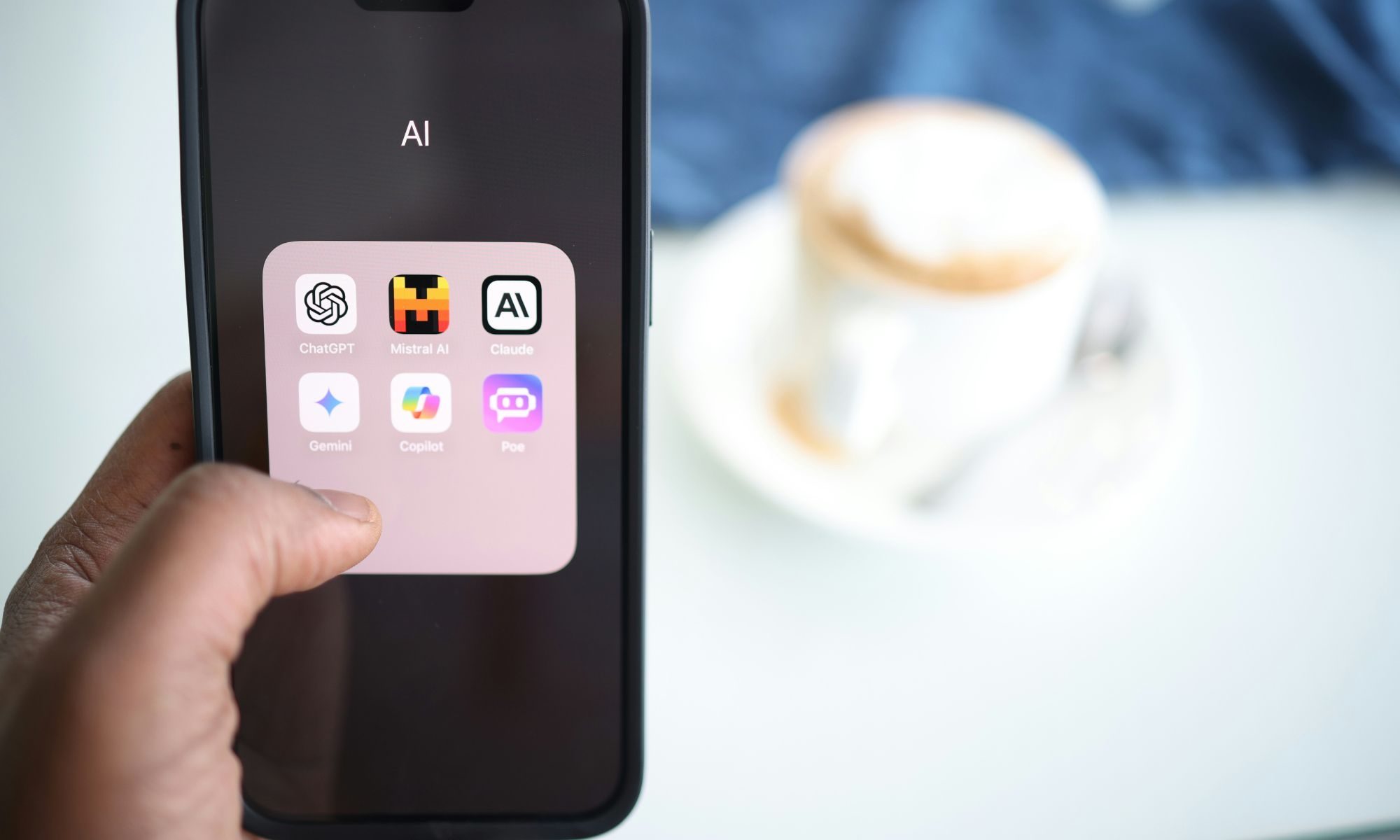
You can stop using AI, but this new report says you probably can’t escape it
A UK survey found that most people feel AI exposure is unavoidable, raising harder questions about consent, privacy, and whether opting out is still realistic
AI Chatbots

More people are trying to use less AI, but avoiding it altogether may already be impossible.

A survey of 2,055 UK adults found that 42% deliberately limit how much AI they use. Another 70% said avoiding AI exposure would be difficult or impossible, even when they actively wanted less of it.

Read more