1. Home
  2. Computing
  3. News

AOC's new U2477PWQ display could be the monitor to make you go 4K

Add as a preferred source on Google

Although 24 inches of monitor is about the minimum a lot of gamers and professionals will opt for today, that doesn’t mean that it’s a dead-end or entry-level market. Indeed, adding new features and upping the resolution of the panel behind it all can make a 24-inch relevant. And that’s exactly what AOC has done with its new U2477PWQ monitor.

The display, which uses a PLS panel (similar to IPS technology), boasts a viewing angle of 178 degrees and operates at 4K resolution (3,840 x 2,160) with a refresh rate of 60Hz. The response time is listed as just four millieseconds, which is more than fast enough for your average gamer or professional.

Recommended Videos

Other specifications include support for a full 16.7 million colors, a brightness rating of 300 cd/m2, and a contrast ratio of 1,000:1.It has a slimline bezel and a small desk-top footprint too, so will fit in even cramped work environments.

It also supports new connectivity standards like HDMI 2.0, offering bandwidth up to 18Gbps, which lets you stream 4K content to it at up to 60 frames per second. It also has a DVI, DisplayPort and VGA connectors for added connectivity. The DVI and VGA connectors do not support 4K resolution, but can be used for legacy support of older PCs.

Although the frame is versatile enough to offer pivot control, there is no manual swivel for it, and the tilt is restricted to just a few degrees, so don’t expect to be able to adjust this one all over the place. It can however be raised a few inches, for those who are a little taller than average.

Set to be made available sometime in November, U.S. pricing has yet to be announced. Based on the British price tag of £290 (thanks PhotographyBlog), expect to pay around $350 when this monitor does officially launch. That seems a reasonable price for a 24-inch, 4K monitor as capable as this one looks on paper.

Jon Martindale
Jon Martindale covers how to guides, best-of lists, and explainers to help everyone understand the hottest new hardware and…
NVIDIA’s new AI can detect deepfake videos in just 22 milliseconds
NVIDIA has a new AI tool that can tell fake videos from real ones in milliseconds
Nvidia logo

As generative AI becomes increasingly capable of producing videos that are nearly indistinguishable from real footage, the race is no longer just about creating synthetic media. It's about detecting it before it spreads.

At SIGGRAPH 2026, NVIDIA unveiled Synthetic Video Detector, a new AI-powered verification tool designed to identify AI-generated videos with remarkable speed and accuracy. Rather than replacing traditional fact-checking or forensic analysis, the company says the technology is intended to give newsrooms, broadcasters and enterprises another layer of confidence before synthetic videos enter the public domain.

Read more
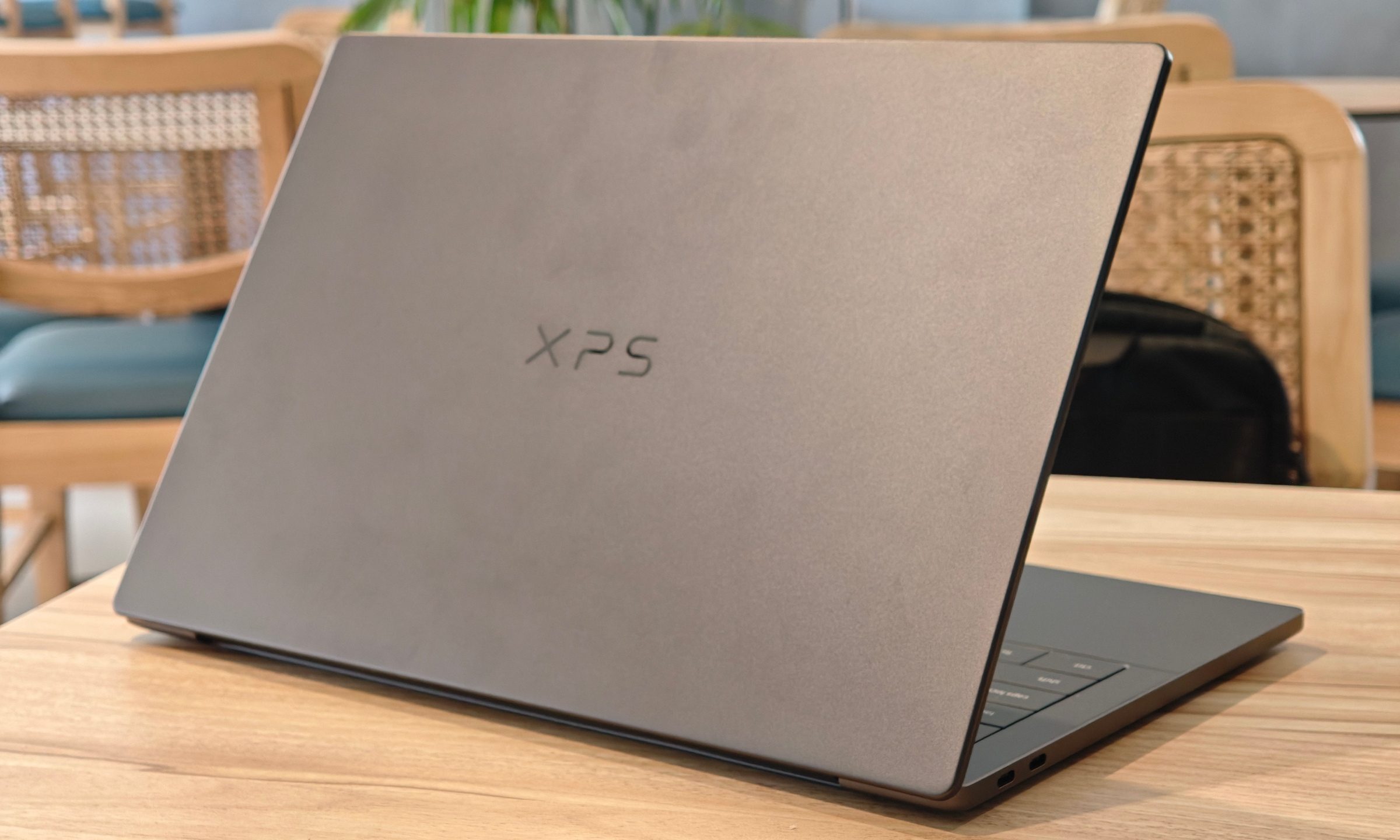
Dell XPS 14 (2026) Review: Dell’s classic Windows laptop returns, and it’s hard to put down
The icon returns, and shows why it's still relevant
Dell XPS 14 Review: Featured

Quick take

Dell’s XPS line has always carried a certain weight. It is one of those Windows laptop families that people recognize even if they don’t follow laptops too closely. Clean design built with premium materials, sharp displays, and high-end hardware. The Dell XPS 14 DA14260 continues that legacy. 

Read more
Samsung’s secret AI chip could finally cool down Exynos phones
Samsung's GAIA AI chip is landing in laptops first, but its shared DNA with Exynos hints at a real fix for phones down the line.
Samsung Exynos chip illustration.

If you've ever owned an Exynos-powered Galaxy phone, you already know the drill: heavy tasks like capturing back-to-back pictures or photos for a while, heavy gaming, or rendering videos turn your device into a hand warmer. 

In such a situation, the battery bar drops faster than usual as well. Turns out, Samsung might be working on the fix, and it's coming in a way nobody expected.

Read more