1. Home
  2. Computing
  3. Emerging Tech
  4. Mobile
  5. Wearables
  6. News

Salt-based batteries could make your next mobile device cheaper and greener

Add as a preferred source on Google

Batteries could become a lot cheaper, thanks to research coming out of France this week. It’s early, but we’re closer to replacing lithium-ion with a new type of sodium-ion battery than ever before.

The rechargeable battery that powers your laptop, tablet, and mobile phone is almost certainly powered by a lithium ion battery. The problem: there’s not a lot of lithium on our planet. Sodium, on the other hand, is so plentiful that you sprinkle sodium-chloride on your food without even thinking about it (but you probably just call it salt).

Recommended Videos

Sodium is one thousand times more abundant on earth than lithium, and lithium-ion batteries are in countless devices. So switching from lithium-ion batteries to sodium-ion could lead to cost savings in a wide variety of consumer projects, from Teslas to tablets.

This is why researchers have been trying to develop such a battery for decades, but this week’s news marks the first time such a battery was built in the “18650” industry standard used by laptop computers and other devices today.

Six labs worked together to find the ideal “recipe” for the cathode of the battery. Researchers at the CEA (Commissariat à l’énergie atomique et aux énergies alternatives) were eventually able to work out something that closely resembles the batteries in your laptop, which is a first.

Work was also done to move the process of making this cathode to the “pre-industrial” scale, meaning producing kilograms instead of just a few grams. There’s been progress, and the resulting batteries are among the best-performing sodium-ion units ever seen.

The energy density is as high as 90 watt-hours per kilogram, which is comparable to very early lithium ion batteries, though behind what’s currently available. That is the rub, currently. Because of the energy density, these batteries have to be relatively heavy and large to provide enough power. Researchers hope refining the idea will reduce this problem.

There’s a lot of work to be done yet, but if the research goes well, it’ll lead to batteries that are less expensive and easier on our environment.

Justin Pot
Justin's always had a passion for trying out new software, asking questions, and explaining things – tech journalism is the…
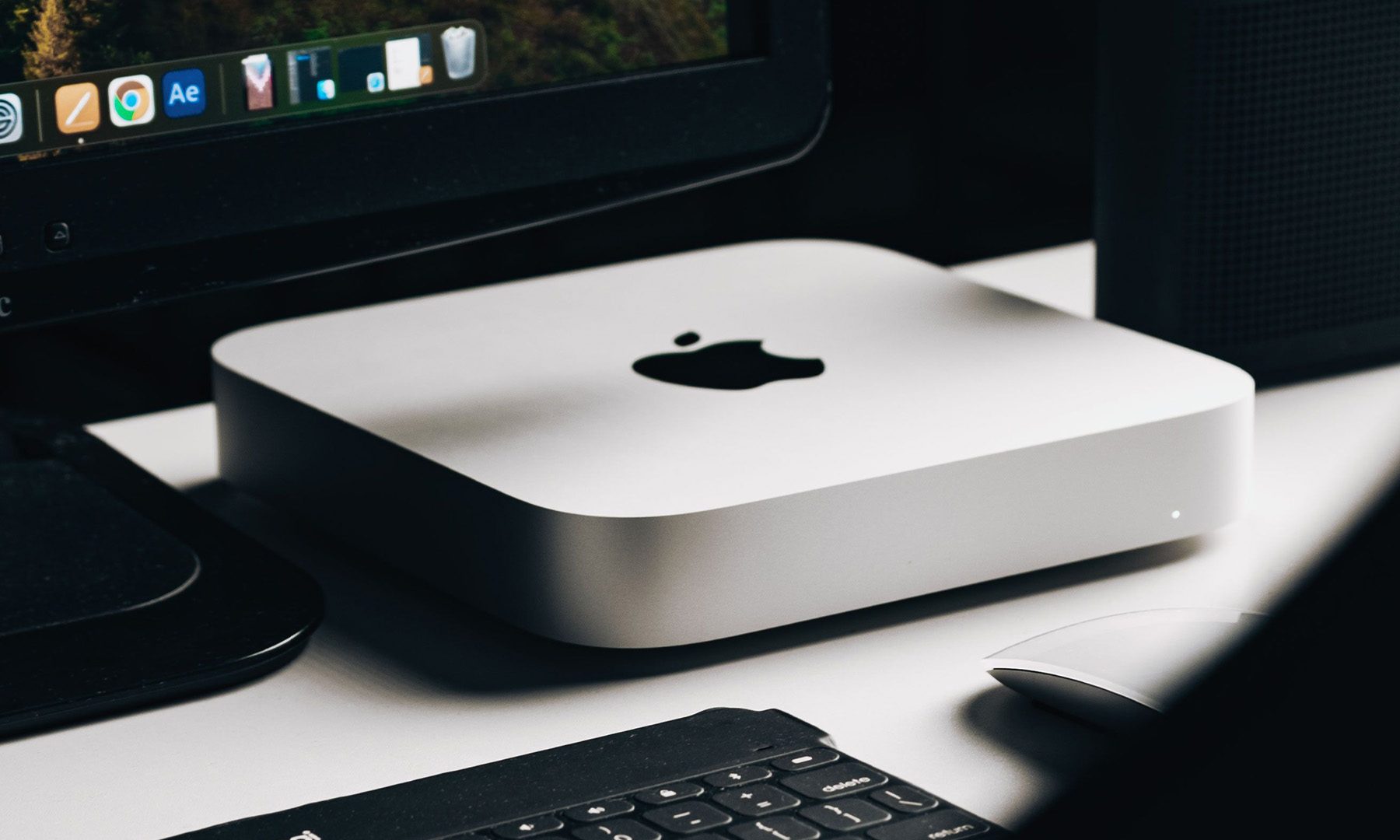
Apple’s looking at a politically radioactive fix for the memory crisis, and the US government isn’t happy about it
Apple blamed memory costs for your price hike. Its proposed solution involves a Pentagon blacklist.
Apple Mac Mini on a Desk

A few days ago, Apple announced an ugly mid-cycle price hike, blaming the worsening-by-the-day memory crisis. According to the Financial Times, the company is now lobbying the government for approval to buy memory chips from a Chinese company. 

The company in question is CXMT, a Chinese chipmaker that the Pentagon added to its Chinese Military Company blacklist for alleged ties to the Chinese army.

Read more
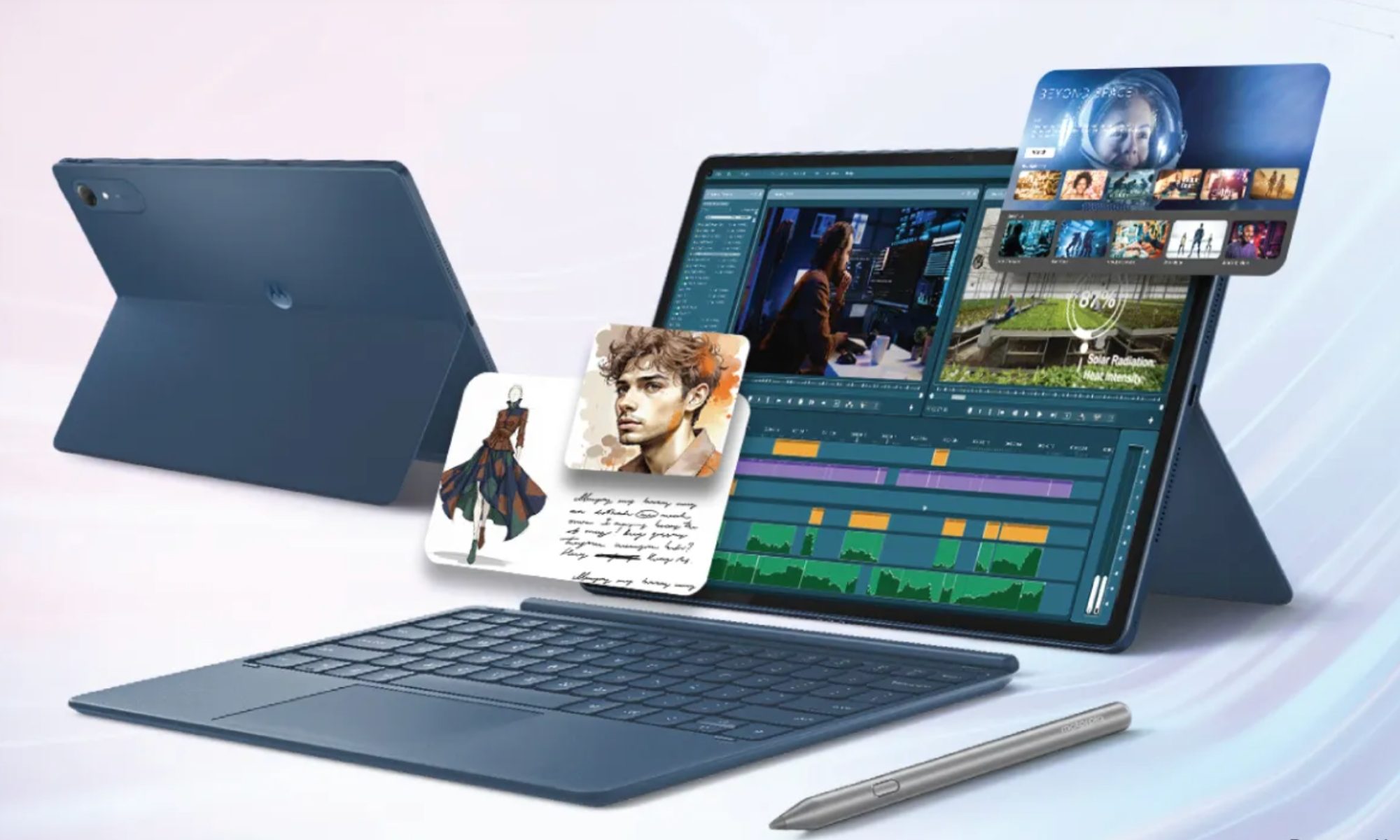
As iPads get pricier, Motorola’s Pad 70 Pro arrives as a solid option… just not for US buyers yet
Great specs, a stylus in the box, and no US launch date: the Moto Pad 70 Pro sounds both impressive and disappointing.
Computer, Electronics, Laptop

If you don’t know about Apple’s recent price hike, which affected all the products in its lineup except the iPhone and Apple Watch (for now), you’ve got to be living under some sort of a rock. The revision made all the iPads much more expensive. 

Motorola, however, has just launched a 13-inch tablet that actually sounds good on paper. It’s called the Moto Pad 70 Pro, and it costs around $440 for the baseline model. The catch, however, is that the device isn’t available in the US yet. 

Read more
The refurbished MacBook Neo may be your best way around Apple’s price hike
MacBook Neo has hit Apple’s refurbished store after its price increase
Student using MacBook Neo in classroom.

The MacBook Neo launched in March as Apple’s most affordable notebook, but it has already been caught in the company’s recent price hike. The base model with 8GB of RAM and 256GB of storage now costs $699, while the 512GB version with Touch ID is priced at $799.

Just days later, Apple has already listed refurbished MacBook Neo models on its online store, giving buyers a cheaper official option, though the savings are not as generous as you might expect.

Read more