1. Home
  2. Emerging Tech
  3. News

DC water treatment plant uses human excrement to generate 13MW of electricity

Add as a preferred source on Google

One of the world’s largest initiatives to generate power using human waste is taking place in Washington DC, reports Phys.org. The experimental project is being conducted at the Blue Plains Advanced Wastewater Treatment Plant, which is operated by DC Water. Covering Washington, D.C. and the surrounding metro areas, the facility treats more than 370 million gallons of wastewater and produces over 1,200 wet tons of biosolids each day.

Wastewater and raw sewage are treated at the facility with safety in mind. The cleaned-up water is released into the Potomac River or Chesapeake Bay, while the biosolids are collected for recycling. Most of the solid waste is turned into compost or fertilizer, but a new initiative started earlier this year is diverting some the solids collected from the bottom of the water treatment pools into energy generation.

Recommended Videos

In a first for the U.S., the Blue Plains facility is using a sludge treatment process called Norwegian thermal hydrolysis, which maximizes the amount of biogas produced from the digestion of sludge. The hydrolysis process relies on bacteria to break down the organic waste in 80-foot-tall vats capable of decomposing up to 3.8 million gallons of biosolids. The byproduct of this digestion is methane, which then is used to generate 13 megawatts of electricity using turbines. Of the energy that is produced, 3 megawatts are used for the hydrolysis while the remaining 10 megawatts are piped back into the plant to meet its power needs.

Not only does this process remove solids from the waste stream, it also reduces the plant’s carbon footprint and saves the facility millions in energy costs. “It saves us money, avoids us having to buy power off the grid, which largely comes from coal,” said DC Water’s chief executive, George Hawkins. DC Water inaugurated the new $470 million facility earlier this year. The cost of building the cutting edge facility was financed primarily by consumer water bills.

Kelly Hodgkins
Kelly's been writing online for ten years, working at Gizmodo, TUAW, and BGR among others. Living near the White Mountains of…
Remember Samsung’s Ballie home robot? It may finally be inching closer to reality
Leaked app wireframes give the strongest hint yet that Samsung's Ballie home robot, first shown at CES 2020, might still be headed toward an actual release.
Samsung Ballie robot in a room next to a dog feeder.

Samsung's rolling home robot has been the industry's longest-running "will it ever actually ship" joke, and I'll admit I'd mostly given up on it. Now, there's finally a glimmer of hope.

Samsung first unveiled Ballie as a concept at CES 2020. Then, it showed it as a significantly upgraded version four years later. However, the company never confirmed a release date or committed to releasing it at all. 

Read more
Polar is yet another AI browser, but it goes beyond just automating the mundane web chores
Polar wants to turn your browser into an AI-powered productivity tool
Polar AI browser

The AI browser race is entering a new phase. After spending much of 2025 trying to reinvent web search with built-in chatbots, startups are increasingly shifting their attention toward browser agents that can automate repetitive work instead of simply answering questions. The latest company to embrace that transition is Polar, a startup founded by former Perplexity engineer Kevin Zhang, which has raised $5.7 million in seed funding led by Madrona.

Unlike the first generation of AI browsers that targeted everyday consumers, Polar is designed specifically for knowledge workers. Its premise is straightforward: instead of replacing Google Search, the browser aims to eliminate repetitive tasks that professionals perform across dozens of browser tabs every day.

Read more
I use ChatGPT Pro everyday, and these 3 features keep me subscribed
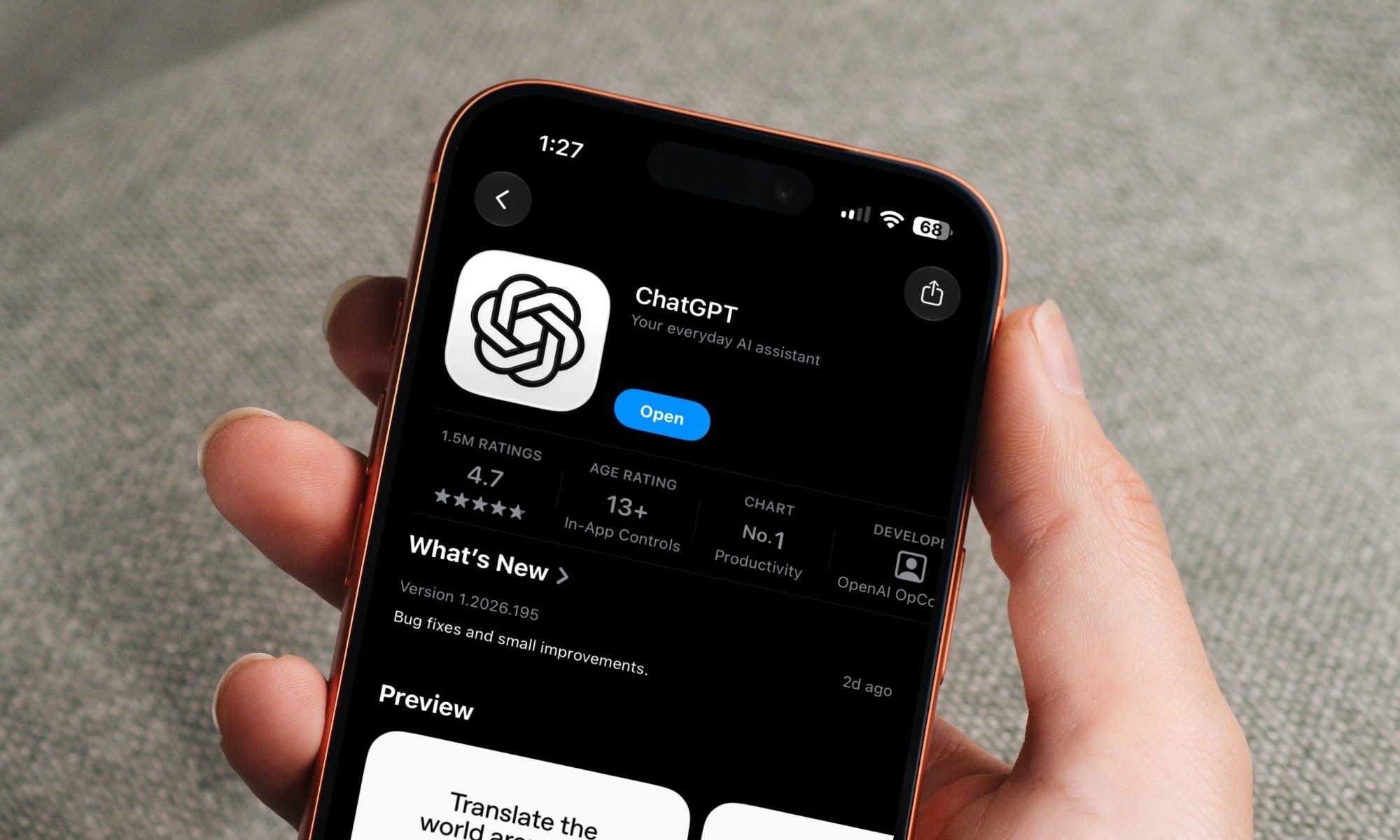
ChatGPT on iPhone

I've used ChatGPT for years, but for the longest time, I never felt the need to pay for it. Instead, I subscribed to Claude Pro because it fit my workflow better. Between regular chat and Cowork, it gave me everything I needed in one place, so paying for another AI subscription didn't make sense.

That changed when OpenAI introduced ChatGPT Work. I was curious enough to give ChatGPT Pro a proper shot, expecting to test one new feature and move on. Instead, I ended up using it far more than I expected. The more I relied on it in my day-to-day work, the more I realized it offered a few things I didn't want to give up. Those are the three features that have kept me happily subscribed ever since.

Read more