1. Home
  2. Phones
  3. Android
  4. Mobile
  5. News

Digital Trends may earn a commission when you buy through links on our site. Why trust us?

Big, bold, and badass: Say goodbye to the Nexus 6

Add as a preferred source on Google

Smartphones are a dime a dozen, and there’s no room in the market for last year’s model. And the Nexus 6? So 2014.

A behemoth of a phone, the Nexus 6 has quietly been laid to rest from the Google Store. If you head over to the Phones section on the website, you’ll only see the Nexus 5X and the 6P — as if the Nexus 6 never existed.

Recommended Videos

You can still find the Nexus 6 page via a Google search, but as soon as it loads you’ll see red text: “The Nexus 6 is no longer available for purchase.” Soon, this page will disappear, just like the device itself.

Don’t fret, though. If you were looking to grab the Nexus 6 — well, you should have on Black Friday when the 32GB version was $199 on Amazon. All the same, you can still grab it at various other retailers like eBay or Amazon for $350 or lower. Oddly, Motorola is still selling the nearly 6-inch device for $500.

Has the product been officially discontinued? Is Google out of stock? We’ve reached out to the search giant for a comment.

When the Nexus 6 was unveiled in 2014, we gave it a solid 4 out of 5. Sure it’s big — sometimes too big to hold — and expensive, but it’s also beautiful, powerful, and has a brilliant display. The Motorola-built device is Google’s largest Nexus device, even to date it’s bigger than the Nexus 6P. It launched alongside the release of Android 5.0 Lollipop, and brought Google’s Material Design with it. It was the first phone that was compatible with Google’s new mobile Internet service, but Project Fi has since expanded to the 5X and 6P.

While the device ushered in a new stage for Android and Google, the company is clearly done with it. Say goodbye to a mammoth of a phone that was the Nexus 6.

5x Available at: Amazon

6P Available at: Amazon

Julian Chokkattu
Former Mobile and Wearables Editor
Julian is the mobile and wearables editor at Digital Trends, covering smartphones, fitness trackers, smartwatches, and more…
The Minimal Phone 2 looks dramatically better than the original, and I’m genuinely here for it
Plastic is out, metal is in, and Minimal Phone 2's renders suggest the digital detox phone concept finally has the hardware to match its ambition.
Electronics, Mobile Phone, Phone

I've been following the Minimal Phone since its initial crowdfunding days. The first iteration had the right idea trapped inside the wrong body, I’d say. Plastic build, no 5G, an underwhelming camera, and e-paper ghosting that frustrated early adopters; all these issues kept the phone from reaching a wider audience. 

Now, founder Armen Youssefian has posted what appears to be a 360-degree render of the Minimal Phone 2 on X, and from what I can see, the team has done its homework.

Read more
The EU says TikTok still isn’t doing enough to protect kids
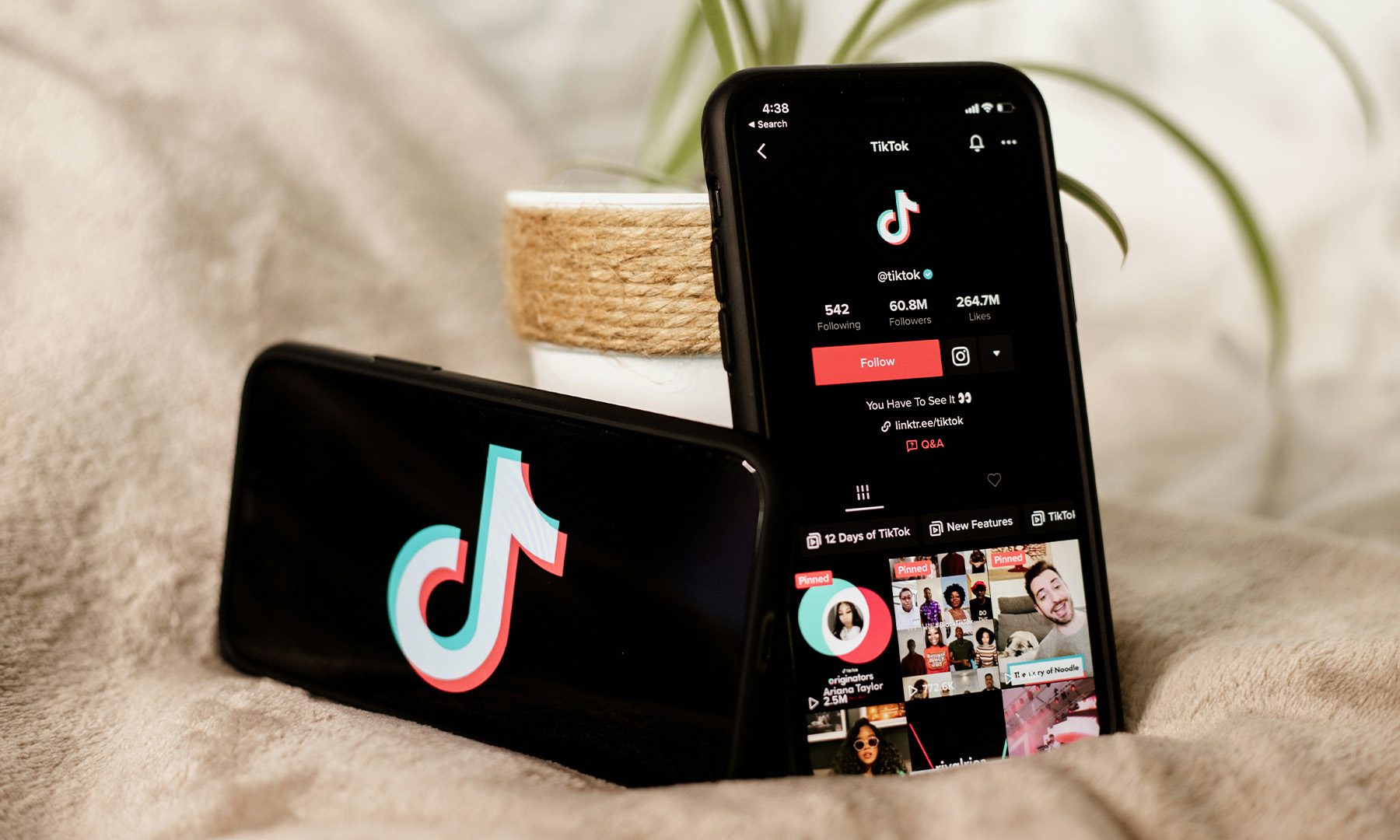
Regulators say the platform's privacy settings don't go far enough under the Digital Services Act.
TikTok Creative Featured

The European Commission has accused TikTok of falling short on protecting minors, saying the platform's current account settings don't meet the child safety standards required under the Digital Services Act (DSA). The findings are preliminary, but if upheld, TikTok could face a fine of up to 6% of its global annual revenue.

Why the EU thinks TikTok isn't doing enough

Read more
Qualcomm is set to ratchet up chip prices in September, and your next gadget upgrade could bear the brunt
The price hike could touch every Snapdragon-powered device category.
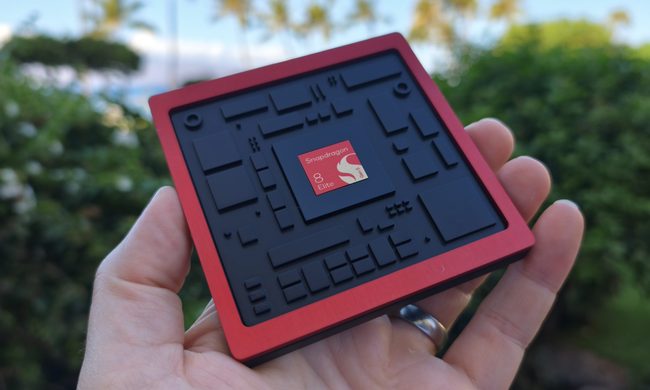
The new Qualcomm Snadragon 8 Elite Gen 5

I want you to sit with this for a second. Qualcomm, the company whose Snapdragon chips sit inside your Android phone and tablet, your Windows laptop, your Meta smart glasses, your Galaxy Watch, and your wireless earbuds, reportedly sent a letter to every major customer telling them prices are going up by double digits. 

The price hike will be in effect from September 1, 2026, a recent Bloomberg report claims. Essentially, all the companies placing their chip orders after that will pay a higher price. 

Read more