1. Home
  2. Computing
  3. Gaming
  4. Virtual Reality
  5. News

Virtual reality fans should upgrade their Nvidia GeForce drivers today

Add as a preferred source on Google

Virtual reality enthusiasts, listen up. If you use an Nvidia GeForce graphics card, today is a great day to update your drivers.

Version 361.43 of Nvidia’s WHQL-certified GeForce drivers comes with all sorts of features for VR users, including support for version 1.1 of Gameworks VR. That should make games look a lot better while wearing your headset – which in turn will make things even more immersive.

Recommended Videos

“This Game Ready driver includes the latest GameWorks VR tweaks, bug fixes, and optimizations to ensure you have the ultimate VR gaming experience,” according to the release notes.

Gameworks VR is Nividia’s collection of APIs, libraries, and features for virtual reality devices. Version 1.1 of Gameworks VR offers VR SLI for both OpenGL applications and the latest Oculus SDK, expanding that capability to a bunch of games that previously didn’t support it. VR SLI means that if you have multiple GPUs, one can be assigned to each eye. This will should lead to better frame rates and frame pacing, which is very important for an immersive VR experience.

Like most drivers, these also include a selection of bug fixes. The new drivers should “mitigate flickering and tearing related to rendering to the scanout surface,” for example. A bug on Windows 10 systems that caused hot plugging to fail has been fixed. And lag in Star Wars Battlefront with SLI enabled should also be better, if not eliminated, meaning you can better immerse yourself in a galaxy far, far away, should you choose.

Go ahead and check out the release notes if you want more details — there’s a lot to read about here. It’s interesting to see Nvidia continue to work on the VR experience, especially when you consider that there’s basically no consumer-focused hardware out there yet. This driver update, and some patents Nvidia has applied for, suggests Nvidia thinks that will change.

[amz_native_shopping asins=”B0049MPQA4,B00KJGYOBQ,B012NOWERC,B00R3NK2LE” linkid=”eae975c5bf98f0a8f01e8e17de0627dd” title=”Nvidia GeForce Graphics Cards”]
Justin Pot
Justin's always had a passion for trying out new software, asking questions, and explaining things – tech journalism is the…
Google’s new Magic Pointer Play Store listing reveals a Gemini shortcut built for Googlebooks
The unannounced app turns the cursor into a contextual AI tool for search, image creation, and shopping
Plant, Text, Business Card

Google has quietly published a new Play Store listing for Magic Pointer, an unannounced app built for Googlebooks. Updated on July 10, the app turns the cursor into a Gemini shortcut that can act on whatever a user selects on screen.

Magic Pointer can send an image to Lens, generate a related image, or surface a shopping action without forcing users to open a separate chatbot. Regular Android devices currently show as incompatible, so the listing offers an early preview rather than a broad release.

Read more
You can stop using AI, but this new report says you probably can’t escape it
A UK survey found that most people feel AI exposure is unavoidable, raising harder questions about consent, privacy, and whether opting out is still realistic
AI Chatbots

More people are trying to use less AI, but avoiding it altogether may already be impossible.

A survey of 2,055 UK adults found that 42% deliberately limit how much AI they use. Another 70% said avoiding AI exposure would be difficult or impossible, even when they actively wanted less of it.

Read more
The face on an AI interviewer may matter as much as the decision it makes
Researchers found that race and gender matching changed how fairly rejected applicants viewed an automated interview, even though everyone received the same outcome
File, Computer Hardware, Electronics

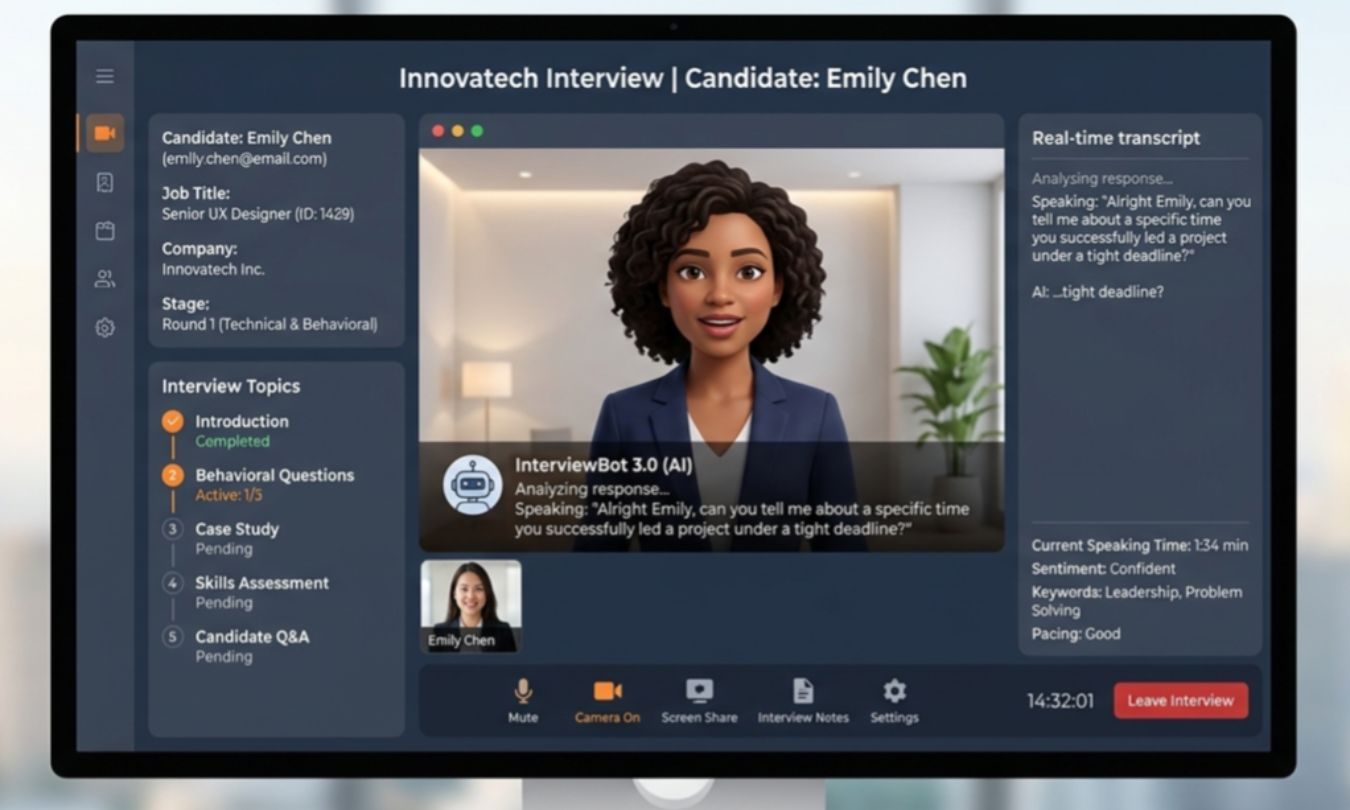
An AI hiring system can treat every applicant the same and still leave some people feeling targeted. Researchers found that rejected candidates judged an automated interview differently depending on the race and gender of the avatar delivering the result.

Around 220 participants completed a simulated interview for a fictional customer support role with one of four photorealistic AI avatars. Everyone was rejected, yet perceptions of fairness shifted with the interviewer’s appearance. An algorithm audit could miss that reaction because candidates don’t experience the system as raw code. They experience a face asking questions and judging their answers.

Read more