1. Home
  2. Emerging Tech
  3. News

NASA’s dream of a 3D-printed rocket is getting closer and closer

Add as a preferred source on Google

We’ve put plants, animals, and humans in space, and now we’re getting closer than ever to getting 3D-printed rocket engines out into the great beyond as well. Late last week, the team at NASA made progress on its goal of producing an entirely “3-D printed, high-performance rocket engine by manufacturing complex engine parts and test firing them together with cryogenic liquid hydrogen and oxygen to produce 20,000 pounds of thrust.” If that sounds like a mouthful, imagine actually making it.

NASA’s progress on the additive manufacturing front carries with it enormous implications for the future of space travel. The hope is that one day, a fully 3D-printed rocket could power travel to Mars and beyond, and more importantly, could do so for much less money. Already, NASA has successfully printed turbopumps, injectors, and valves, which comprise around three-quarters of the necessary components of a functional rocket engine. But their latest test involved assembling an engine with these parts, and found that the engine was capable of producing the thrust needed for a Mars lander. Moreover, it would be able to survive temperatures of 6,000 degrees Fahrenheit.

Recommended Videos

“By testing the turbopumps, injectors, and valves together, we’ve shown that it would be possible to build a 3D-printed engine for multiple purposes such as landers, in-space propulsion or rocket engine upper stages,” Elizabeth Robertson, project manager for the 3D-printed engine that was just tested in Huntsville, noted in a release.

The process has also been hugely educational for manufacturers, many of whom have never worked with, well, rocket scientists. “Vendors who had never worked with NASA learned how to make parts robust enough for rocket engines,” Robertson noted. “What we’ve learned through this project can now be shared with American companies and our partners.”

Speaking to the possibilities for the future, Michael Gazarik, NASA’s associate administrator for space technology said, “NASA recognizes that on Earth and potentially in space, additive manufacturing can be game-changing for new mission opportunities, significantly reducing production time and cost by ‘printing’ tools, engine parts, or even entire spacecraft.”

So look alive 2016 — the space industry is coming in hot.

Lulu Chang
Fascinated by the effects of technology on human interaction, Lulu believes that if her parents can use your new app…
Yet another study says AI is bad for elections, and the rabbit hole gets worse
AI may be an election bomb waiting for someone to light the fuse
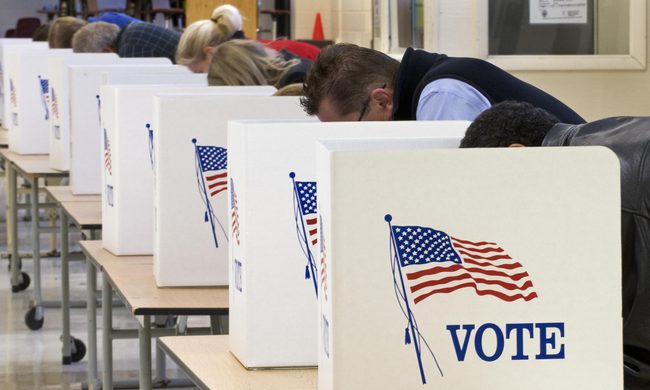
Voters cast their ballots on Election Day

Another election, another study has concluded that asking an AI chatbot for political guidance is a spectacularly bad idea. Research conducted during Hungary’s 2026 parliamentary election found that ChatGPT and Google Gemini offered not just inaccurate but also inconsistent and unreliable voting advice. The chatbots misclassified voter profiles, overlooked relevant parties, recommended parties absent from the ballot, and sometimes produced materially different answers when given the same information repeatedly.

AI keeps failing the voter test

Read more
Samsung’s humanoid robot ambitions are real, but factories come first
Samsung’s new robotics division has humanoids in its sights, although its immediate business is far more practical factory automation
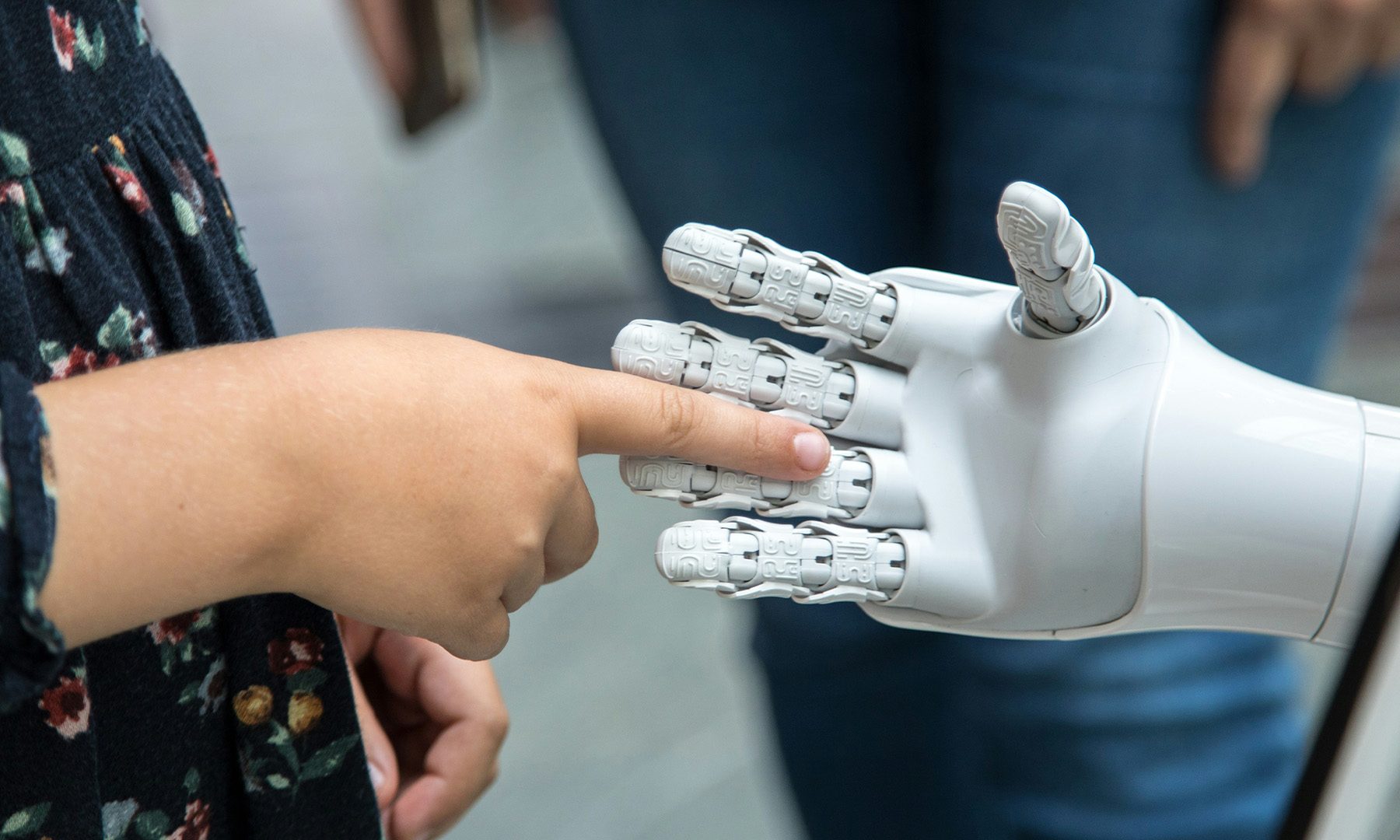
Robot Touch Human Finger

Samsung wants a place in the humanoid race, but its new robotics push begins with machines built for factories rather than homes.

The CEO-led RX robotics division will initially focus on manufacturing robots. Samsung has separately identified humanoids as a priority, although it hasn’t announced a commercial model or explained where one fits into the division’s immediate plans.

Read more
The future of AI may depend on this one behind-the-scenes change
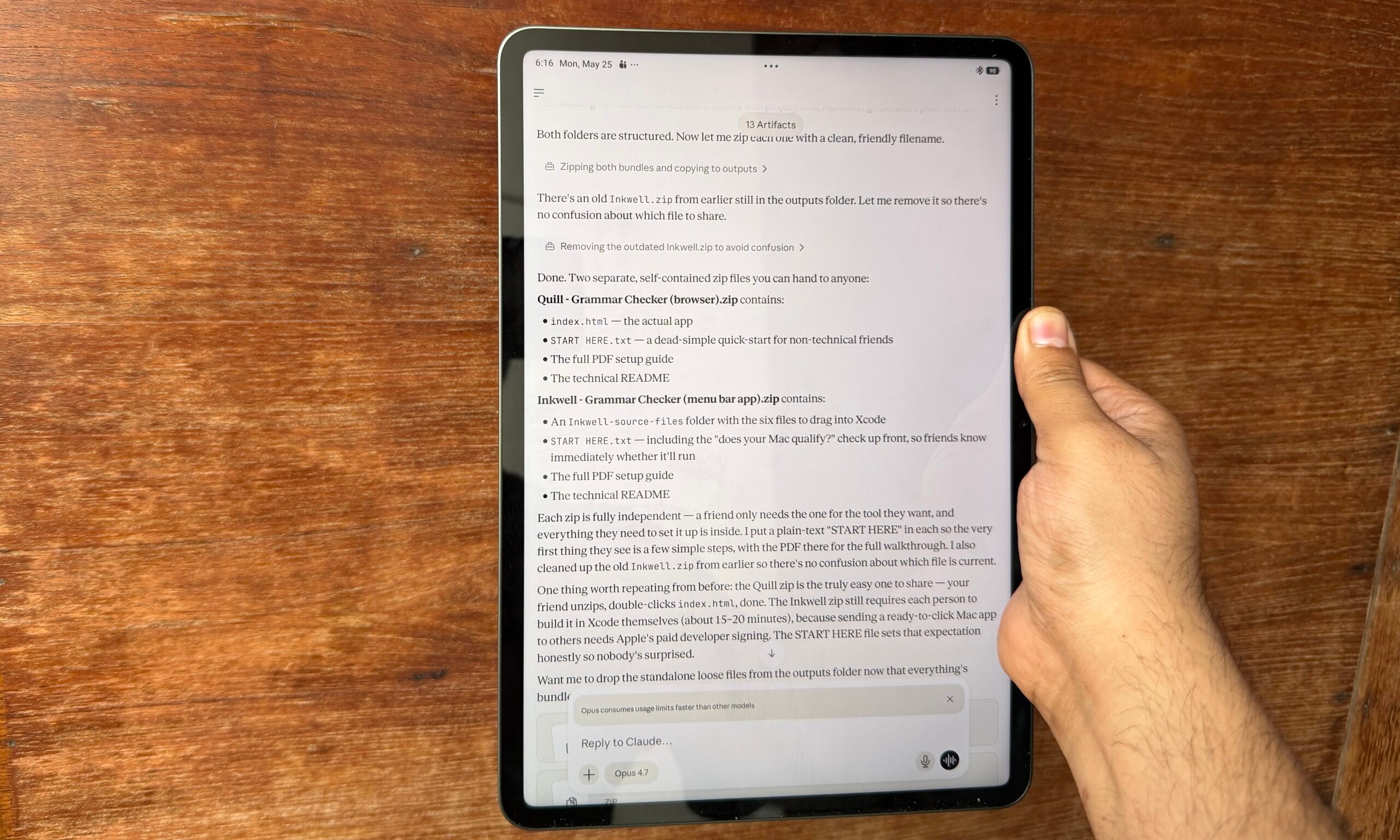
Running Claude on Android.

Whenever a new AI model arrives, it's easy to get caught up in the bells and whistles. We talk about how much smarter it is, how quickly it answers questions, or how realistic its images have become. But here's the thing: none of that matters much if the AI can't reliably work with the apps and services people use every day.

That's why an upcoming update to the Model Context Protocol (MCP) caught my attention. It isn't a new chatbot or a fancy AI model. In fact, most people will never even know it's happening. But it could quietly make the AI ecosystem a lot healthier. If you've never heard of MCP before, don't worry. Think of it as a shared language that lets AI assistants safely talk to apps like Gmail, Slack, calendars, databases, and countless other services. Instead of every company inventing its own way to make those connections, MCP gives everyone a common rulebook.

Read more