1. Home
  2. Emerging Tech
  3. News

Tactile Picture Books Project uses 3D printing to make picture books for blind kids

Add as a preferred source on Google

If the mark of truly great technology is variability of application, then 3D printing deserves an award. From blood vessels to spaceships and everything in between, it now seems difficult to find an industry that 3D printing has not yet infiltrated, and for the better. Now, the latest application of the technology may be the most heartwarming. The Tactile Picture Books Project is creating children’s books for a very special demographic: the blind.

The idea is simple: Make text itself a tactile experience, with pictures built into the sentences of stories themselves. Geared towards youngsters who have yet to learn braille, the team behind the Tactile Picture Books Project found, “As children become to learn braille, they might recognize some texts, but 3D-printed pictures of the objects will be also a critical thing children develop their literacy through the context.”

3d book 2
3D Hubs

To create their books, the team at the University of Colorado Boulder replaced some words with 3D figures embedded directly into the page. Using beloved children’s classic Alice in Wonderland as a base, these ingenious creatives brought some of the strangest situations Alice encounters to life with 3D-printed objects that children can feel on the page, allowing for an entirely new experience. “3D-printed texts can be changed into braille too, so that blind children can follow this tactile story with their finger,” the team notes on its website. “This process is easily automated by the image processing, which takes picture of the words and convert into words.” After the words are recognized, an algorithm searches a 3D figure warehouse and inserts the resulting object into the position where the words once were.

Recommended Videos

The Colorado team’s mission statement is simple: “We create 3D printed tactile picture books for children with visual impairment and study the scientific and technical questions that arise,” their website reads, and already, they have created books based on Goodnight Moon, Harold and the Purple Crayon, and Dear Zoo.

Sure, this group of professors and student agrees, a picture is worth a thousand words. But there has to be another way to “see” them to convey the same message.
Lulu Chang
Fascinated by the effects of technology on human interaction, Lulu believes that if her parents can use your new app…
Yet another study says AI is bad for elections, and the rabbit hole gets worse
AI may be an election bomb waiting for someone to light the fuse
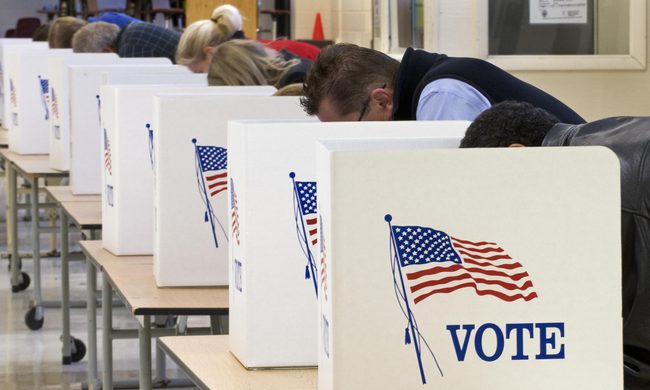
Voters cast their ballots on Election Day

Another election, another study has concluded that asking an AI chatbot for political guidance is a spectacularly bad idea. Research conducted during Hungary’s 2026 parliamentary election found that ChatGPT and Google Gemini offered not just inaccurate but also inconsistent and unreliable voting advice. The chatbots misclassified voter profiles, overlooked relevant parties, recommended parties absent from the ballot, and sometimes produced materially different answers when given the same information repeatedly.

AI keeps failing the voter test

Read more
Samsung’s humanoid robot ambitions are real, but factories come first
Samsung’s new robotics division has humanoids in its sights, although its immediate business is far more practical factory automation
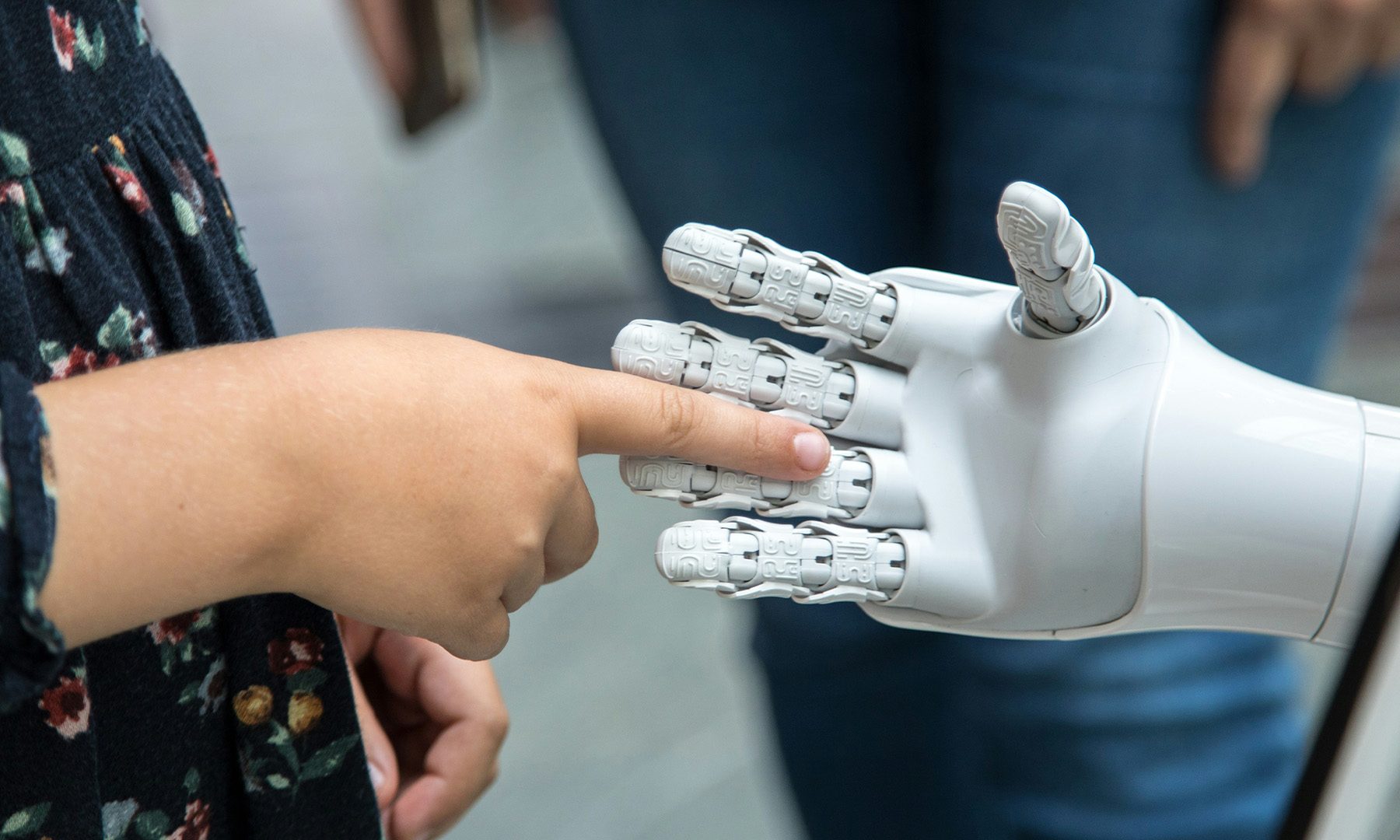
Robot Touch Human Finger

Samsung wants a place in the humanoid race, but its new robotics push begins with machines built for factories rather than homes.

The CEO-led RX robotics division will initially focus on manufacturing robots. Samsung has separately identified humanoids as a priority, although it hasn’t announced a commercial model or explained where one fits into the division’s immediate plans.

Read more
The future of AI may depend on this one behind-the-scenes change
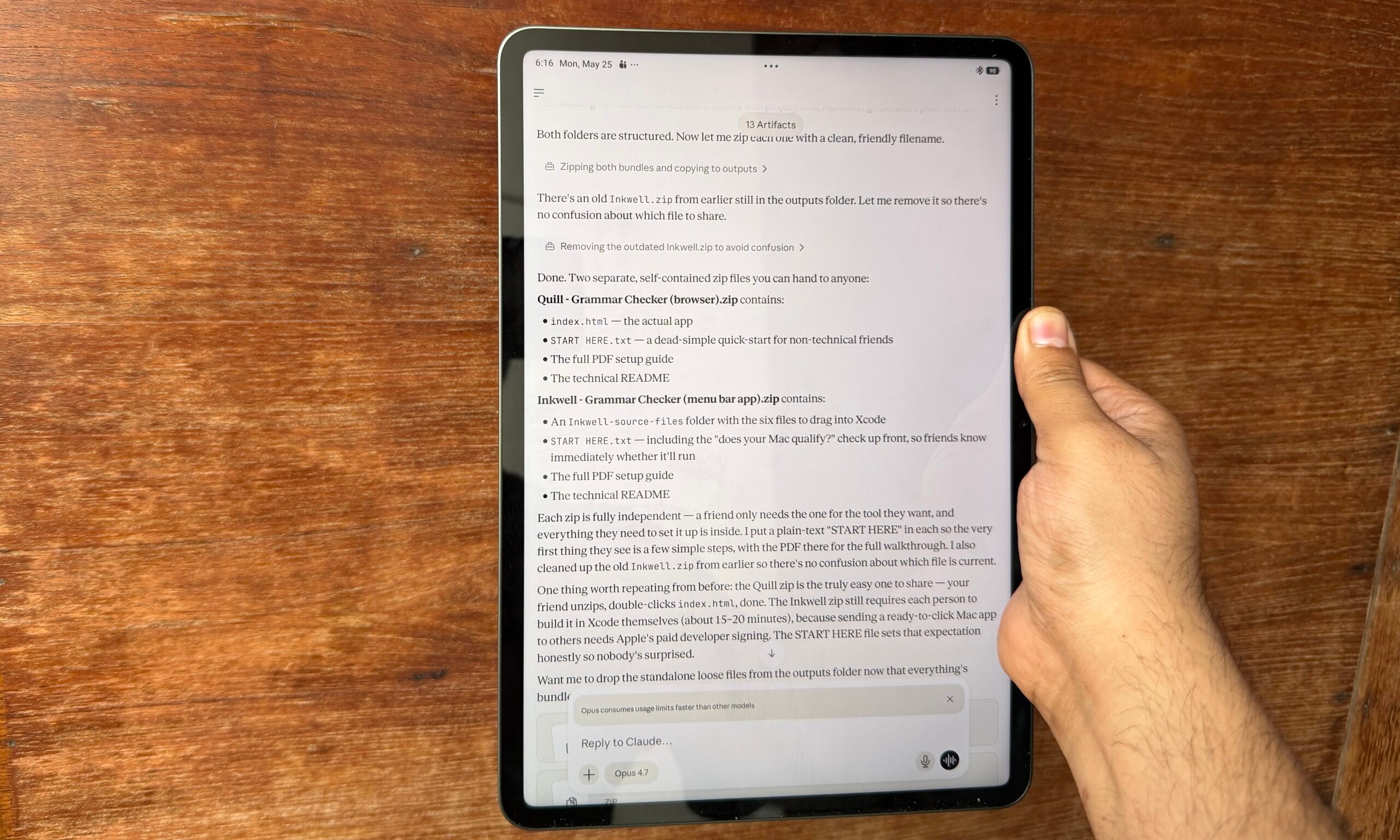
Running Claude on Android.

Whenever a new AI model arrives, it's easy to get caught up in the bells and whistles. We talk about how much smarter it is, how quickly it answers questions, or how realistic its images have become. But here's the thing: none of that matters much if the AI can't reliably work with the apps and services people use every day.

That's why an upcoming update to the Model Context Protocol (MCP) caught my attention. It isn't a new chatbot or a fancy AI model. In fact, most people will never even know it's happening. But it could quietly make the AI ecosystem a lot healthier. If you've never heard of MCP before, don't worry. Think of it as a shared language that lets AI assistants safely talk to apps like Gmail, Slack, calendars, databases, and countless other services. Instead of every company inventing its own way to make those connections, MCP gives everyone a common rulebook.

Read more