1. Home
  2. Phones
  3. Apple
  4. Business
  5. Mobile
  6. News

France wants to fine smartphone makers if they don’t hack into criminal’s phones

Add as a preferred source on Google

Apple’s ongoing battle against the FBI concerning encryption and privacy is such a heated issue, it was inevitable other countries and governments would soon start making their feelings known. Yann Galut, a socialist MP in France, has proposed a law that will punish companies financially if they do not provide access to phone data when asked to do so, according to a report in Le Parisien.

It’s an amendment to an existing law, that would force technology companies — not just Apple, the law applies to any relevant firm including Samsung, Google, and others — to provide codes that open up locked devices for use in police investigations. Should the request be refused, or the code not provided in a reasonable amount of time, Galut suggests a fine of a million euros (just over $1 million) should be levied.

Recommended Videos

“Only money will force these extremely powerful companies to comply,” Galut is quoted as saying, adding, “They are hiding behind supposed privacy protection, but they’re quick to make commercial use of personal data they’re collecting.”

In an effort to calm fears about government surveillance, the backdoor access codes would only be used against criminals under investigation, he said. Also, the intention is only for a prosecutor or judge to have access to the code itself, and only be available to computers used in court proceedings. There will be no general code for use by law enforcement, and the police wouldn’t have the right to use it against any regular citizen.

France’s monetary punishment is an unusual approach, but it’s not the first to try and force through an anti-encryption bill that would force companies to provide backdoor access to software. In the U.K., the proposed Investigatory Powers Bill asks for the same thing, and came under fire from Apple CEO Tim Cook at the end of 2015.

There’s no indication the French legal amendment will be passed into law, but it’s further evidence of continued pressure against data encryption methods provided by technology companies.

Andy Boxall
Andy has written about mobile technology for almost a decade. From 2G to 5G and smartphone to smartwatch, Andy knows tech.
Google may finally ditch Samsung’s modem in the Pixel 11, and Tensor G6 could be better for it
FCC paperwork for Google’s next foldable points to MediaTek, raising hopes for lower power use and a cleaner break from Tensor’s Exynos roots
AI recreation of Pixel 11's Pixel Glow feature.

Google may be preparing its biggest Tensor hardware split yet. As spotted by Android Authority, FCC testing for an unreleased foldable Google phone includes a reference to MediaTek radio-frequency software, adding weight to reports that the Pixel 11’s Tensor G6 could leave Samsung’s Exynos modem behind.

Every previous Tensor chip has used Samsung modem hardware. Changing suppliers won’t guarantee better battery life or reception, but it gives Google a fresh path after years of leaning on the same underlying technology.

Read more
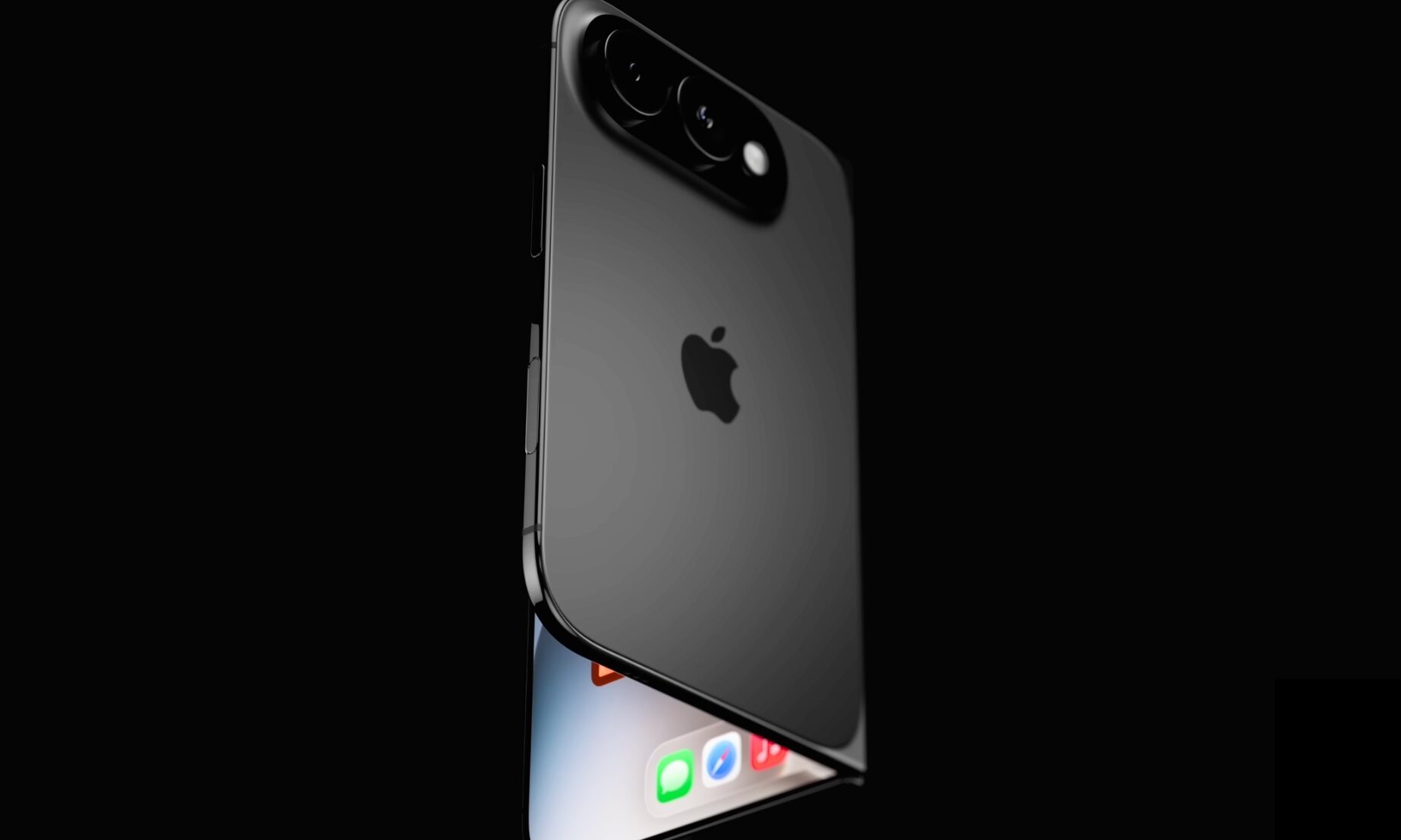
Apple’s iPhone Ultra could one-up the Galaxy Z Fold 7 with a bigger battery
4,883mAh total capacity, two cells, and two screens drawing power. Somewhere between "fine" and "I hope Apple's software does the heavy lifting."
Electronics, Phone, Mobile Phone

Apple's foldable iPhone is getting closer to its September announcement. Despite rumors of a delay, a recent report claimed that Foxconn is hiring temporary workers to ramp up production of the Ultra. Now we have a number for one of its most important specs: the battery.

I'll be honest: when I saw the battery figure, my reaction was somewhere between "that works" and "I was hoping for more."

Read more
The next “flagship killer” is coming from Motorola, but it may not reach the US anytime soon.
The Motorola Edge 70 Max looks great on paper, but only India is getting it on July 15.
Electronics, Mobile Phone, Phone

Motorola is building the most ambitious phone in its Edge 70 lineup, but it might not be available in the United States. 

Specs like a 7,000-nit display and MagSafe-style magnetic wireless charging belong in a conversation that often includes flagships, but it looks like Motorola wants to break that norm. 

Read more