1. Home
  2. Emerging Tech
  3. News

The world’s largest underwater restaurant is set to open later this year in the Maldives

Add as a preferred source on Google

As if the Maldives wasn’t already one of the most desirable beach escapes in the world, a local hotel is building the world’s largest underwater restaurant. The Hurawalhi Island Resort and Spa is expected to open the fully submerged restaurant later this year. Diners will have panoramic views from every angle of the room during their experience, so you’ll be literally eating with the fishes.

The Hurawalhi restaurant is still under construction, and it has already required a huge amount of logistics to get the structure to the Maldives. The many components of the restaurant were constructed in New Zealand. Since the finished structure will measure about 59 feet across by 16 feet high and weighs 452 tons, it was transported to the Lhaviyani Atoll of the Maldives in pieces. The shipping and logistics firm hired to get the pieces from New Zealand to the Maldives said that just planning for the delivery took 12 months.

It took four trucks to get the trailer-loaded structure across five miles of New Zealand roads. Then the full package was transported by sea to the Maldives, where the restaurant’s steel base and acrylic dome will eventually be situated 19 feet below the surface of the Indian Ocean. The floor of the restaurant will sit atop steel piles that were constructed a year in advance, leading up to the ten months of construction still underway.

Recommended Videos

Both the Hurawalhi Resort and its underwater restaurant are scheduled to open later this year, so there are a few months left before you can escape to this particular Maldives attraction. Once it does open, the restaurant will have room for 24 underwater guests at a time. Food will be prepared on land, and served to restaurant patrons by way of a nearby jetty that lets staff members access the dining room through a staircase. The Hurawalhi Resort intends to use the underwater chamber as a double duty room by making it available for honeymooners and wedding ceremonies, so all of the Maldives’ exciting events can happen in the world’s largest underwater restaurant space.

Chloe Olewitz
Former Digital Trends Contributor
Chloe is a writer from New York with a passion for technology, travel, and playing devil's advocate. You can find out more…
Samsung’s humanoid robot ambitions are real, but factories come first
Samsung’s new robotics division has humanoids in its sights, although its immediate business is far more practical factory automation
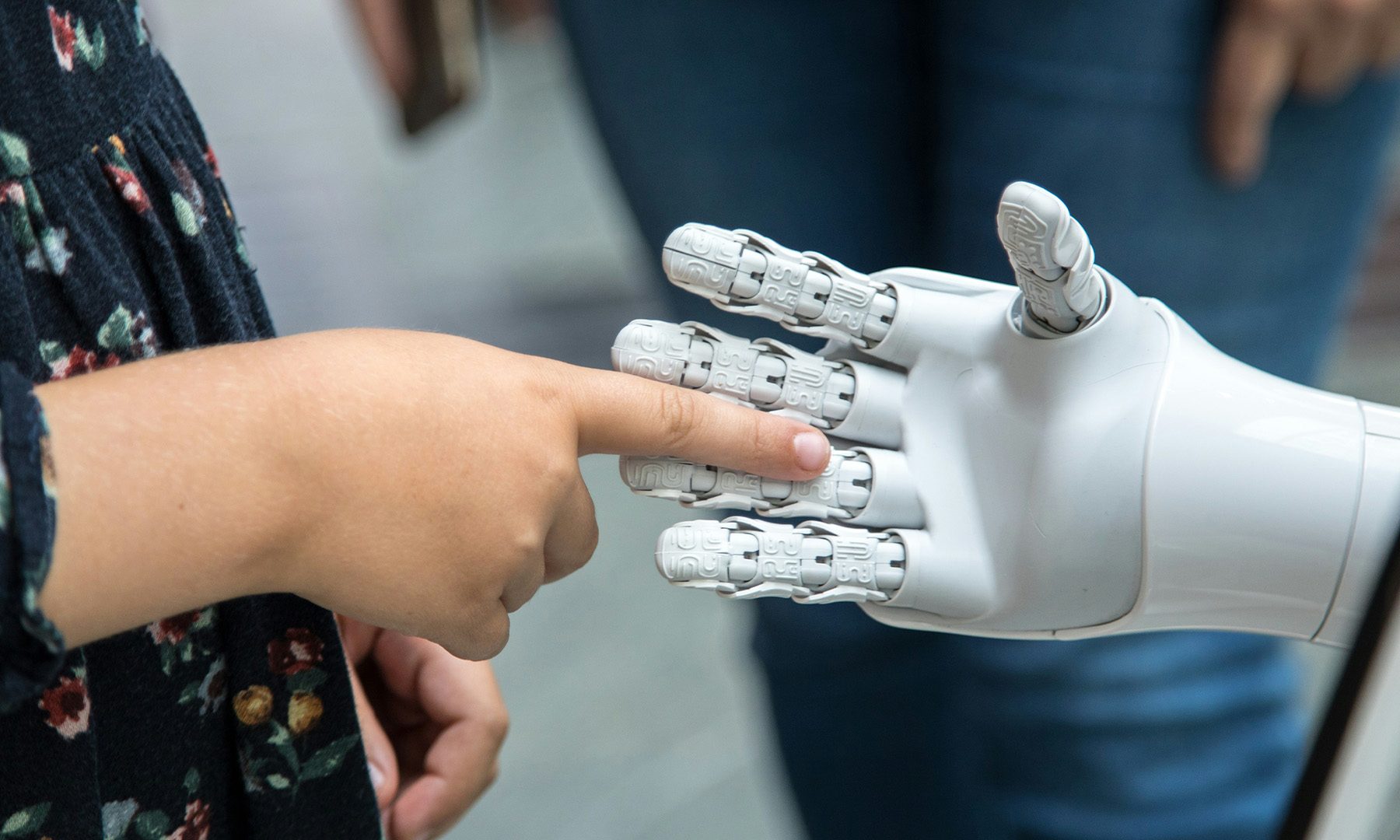
Robot Touch Human Finger

Samsung wants a place in the humanoid race, but its new robotics push begins with machines built for factories rather than homes.

The CEO-led RX robotics division will initially focus on manufacturing robots. Samsung has separately identified humanoids as a priority, although it hasn’t announced a commercial model or explained where one fits into the division’s immediate plans.

Read more
The future of AI may depend on this one behind-the-scenes change
Running Claude on Android.

Whenever a new AI model arrives, it's easy to get caught up in the bells and whistles. We talk about how much smarter it is, how quickly it answers questions, or how realistic its images have become. But here's the thing: none of that matters much if the AI can't reliably work with the apps and services people use every day.

That's why an upcoming update to the Model Context Protocol (MCP) caught my attention. It isn't a new chatbot or a fancy AI model. In fact, most people will never even know it's happening. But it could quietly make the AI ecosystem a lot healthier. If you've never heard of MCP before, don't worry. Think of it as a shared language that lets AI assistants safely talk to apps like Gmail, Slack, calendars, databases, and countless other services. Instead of every company inventing its own way to make those connections, MCP gives everyone a common rulebook.

Read more
The AI game-dev boom has a dark side: fewer jobs for the people starting out
Solo creators are thriving with tools like Claude Code and Copilot, but entry-level game roles are disappearing.
Man playing a video game on a desktop with glowing red and blue lights

AI is making it easier than ever for a single person to build a game. That sounds like a win for creativity, and in many ways, it absolutely is. But there is a catch. As generative AI tools help solo developers and small studios do more with fewer people, the same shift is making life tougher for writers, artists, concept creators, and junior programmers trying to break into the gaming industry.

AI is giving solo developers superpowers

Read more