1. Home
  2. Cars
  3. News

Auto industry to government: Slow down on self-driving car guidelines

Add as a preferred source on Google

There has been news (and videos) involving drivers of questionable intelligence messing around with their car’s self-driving features. Some have jumped into the back seat, living out their fantasies of being chauffeured around. But the latest concern involves the government’s acceptance of the smart cars rather than their dimwitted owners. The Associated Press reports that engineers, safety advocates, and even the manufacturers of the cars themselves are warning federal regulators to take their time creating and modifying the related legislation.

During public meeting on Friday, “several people” voiced their concerns to the National Highway Traffic Safety Administration (NHTSA) regarding automated cars and their place in the current infrastructure.

Recommended Videos

According to an auto industry trade association, the NHTSA needs to slow down in producing guidelines for autonomous vehicles. In January, the federal agency announced that it will start writing guidance for the vehicles’ deployment, which officials have confirmed will be done by July.

“While this process is often time consuming, these procedural safeguards are in place for valid reasons,” said Paul Scullion, safety manager at the Association of Global Automakers, who spoke at the NHTSA-hosted meeting. “Working outside that process might allow the government to respond more quickly to rapidly changing technology, but that approach would likely come at the expense of thoroughness.”

The NHTSA says that new regulations take an average of eight years to issue. Guidance, on the other hand, is not enforceable and is usually broader and more open to interpretation.

NHTSA administrator Mark Rosekind brings up the “irony” of automakers trying to hurry along the regulations process. He adds that the agency must move forward, as self-driving tech is already on the road. One example is Tesla’s “autopilot” feature, which can steer, change lanes, and adjust a car’s speed in traffic.

“Everybody asks, ‘When are they going to be ready?’ I keep saying they’re not coming; they are here now,” Rosekind said. Without instructions from the federal government, “people are just going to keep putting stuff out on the road with no guidance on how do we do this the right way.”

Some situations that might prove to be a problem for self driving cars were discussed at the NHTSA meeting. Among them were poorly marked pavement in areas other than the open road, such as parking lots and driveways; bad weather, which can interfere with vehicle sensors; the inability to take directions from police; and an inconsistency in traffic control devices.

Rosekind believes that despite bumps in the road, this technology has the potential to save many lives.

Albert Khoury
Former Weekend Editor
Al started his career at a downtown Manhattan publisher, and has since worked with digital and print publications. He's…
Hongqi says its new EV tech can charge a battery in just eight minutes, beating BYD
Hongqi EH7 car in green

It seems that every other month, a new company is coming out with battery-charging tech that’s defying our expectations. A few months back, BYD, the Chinese EV maker, impressed everyone with its “flash charging” system that could take its car from 10% to 97% in nine minutes. Now, Chinese automaker Hongqi has beaten that record. 

How fast is Hongqi's new battery?

Read more
Everyone mocked Ferrari’s first EV. Now it’s already a sales success.
Critics roasted it online. Buyers signed the checks anyway.
Ferrari Luce

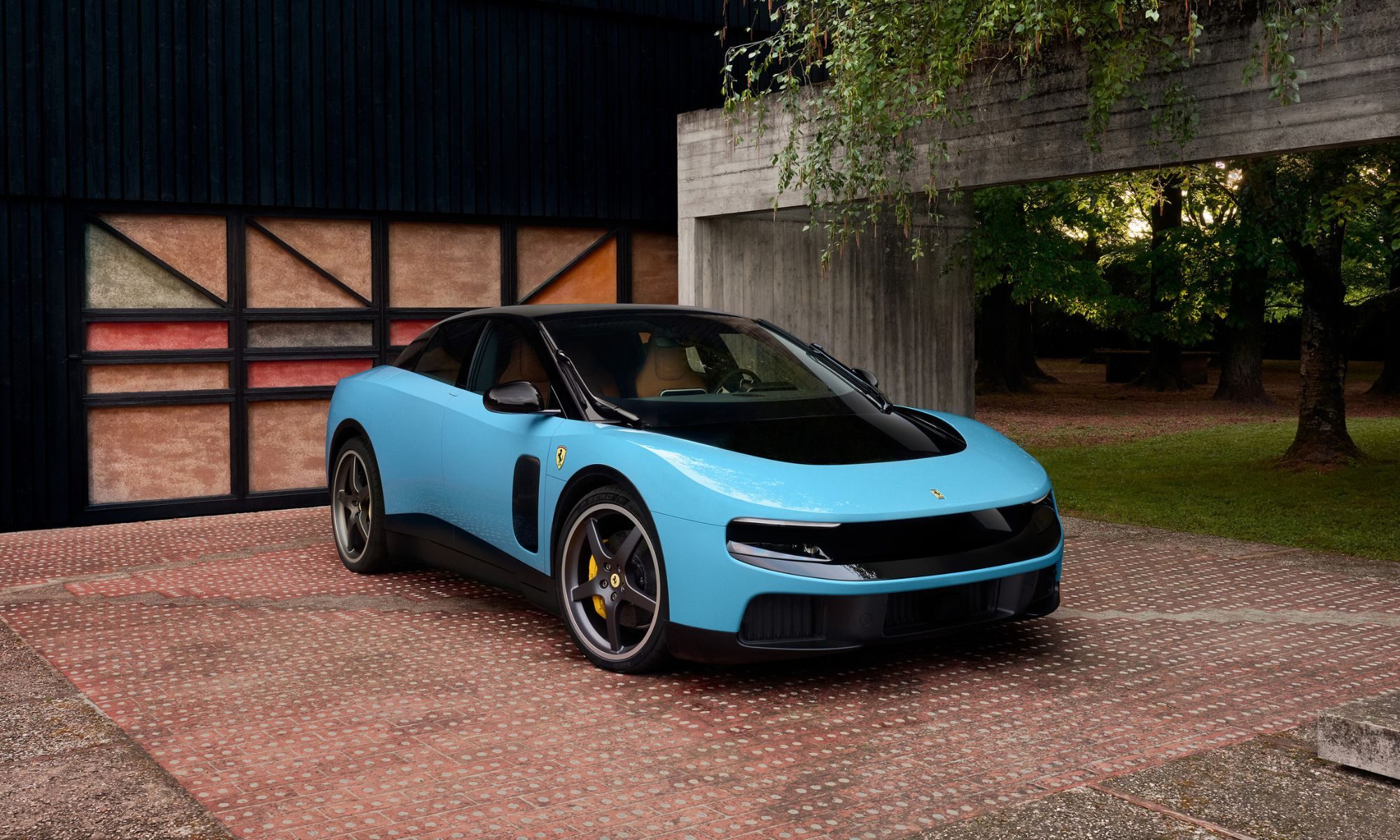
Ferrari's first electric car, the Luce, had a rough start. When it debuted in May, social media dragged its styling, comparing it to cars a tenth of its price, and investors weren't thrilled either, sending Ferrari's Milan-listed shares down more than 8% after the unveiling. Even former Ferrari chair Luca Cordero di Montezemolo jumped in, saying the car didn't deserve to wear the prancing horse badge.

Fast forward two months, and according to a Financial Times report citing people familiar with the matter, Ferrari has quietly achieved its 2026 sales target for the Luce. The company hasn't officially confirmed a number, but sources say it was aiming to sell just under 500 units this year, a target it reached sometime in July.

Read more
Waymo wants your next robotaxi ride to feel less like a taxi and more like your living room
Your next Waymo ride could come with Gemini as your travel companion
Adult, Female, Person

Waymo is giving its robotaxis one of its biggest passenger-facing upgrades yet, bringing Google's Gemini AI assistant into the cabin alongside a redesigned in-car interface that reimagines how riders interact with autonomous vehicles. Both features will debut in the Ojai, Waymo's purpose-built robotaxi, as the company prepares to expand access to more public riders. Rather than changing how the vehicle drives, the update focuses on what passengers can do once they're inside, signalling that the next phase of the robotaxi race may be fought on experience rather than autonomy.

For years, autonomous vehicle companies have competed on sensors, safety records and driverless capabilities. Waymo now appears confident enough in those foundations to shift attention toward the cabin itself, treating the journey as a product rather than simply a trip from one location to another.

Read more