1. Home
  2. Emerging Tech
  3. News

Robot waiters get fired after disastrous performance

Add as a preferred source on Google

If the humans ain’t broke, don’t replace them with robots. Otherwise, your whole restaurant will itself be — you guessed it — broke. In a rather damning display of the limitations of technology, a fleet of useless robots meant to replace human servers have caused the demise of two restaurants in China. As it turns out, the answer to the question, “What can’t robots do?” is actually, “a lot.”

Initially, Chinese restaurant chain Heweilai bought a whole staff’s worth of automatons to wait on its patrons in three locations. But unfortunately, it soon became apparent that the robots were hopelessly unqualified to do their jobs. In fact, a human waiter told China’s Workers’ Daily, the bots couldn’t pour hot water, carry soup, take orders, or even stay functional for extended periods of time. Worse still, it was more expensive to continuously fix these robots than it would’ve been to just pay a human his or her salary, and now, the restaurants are truly paying the price.

Recommended Videos

While one of the Heweilai locations has stayed open, it has thrown away all but one of the robots in response to the problem.

Of course, it was a great idea in theory. Robots are nothing new in the hospitality industry — there are digital concierges powered by Watson in Hilton hotels in the U.S., and of course, robotic dinosaur concierges in Japan. But apparently, answering tourists’ questions and checking them into hotel rooms aren’t quite the same tasks as serving drinks and accepting orders.

Initially, Heweilai hoped that it would cut costs by implementing more efficient, hard-working machines, but as it turns out, there’s really is no substitute for humanity in certain scenarios. And considering the price tag of $7,000 per machine, it would’ve taken quite a bit of time for these guys to earn their keep anyway.

So rest assured, waitstaff of the world. Your job is safe from the robots — at least, for now.

Lulu Chang
Fascinated by the effects of technology on human interaction, Lulu believes that if her parents can use your new app…
Samsung’s humanoid robot ambitions are real, but factories come first
Samsung’s new robotics division has humanoids in its sights, although its immediate business is far more practical factory automation
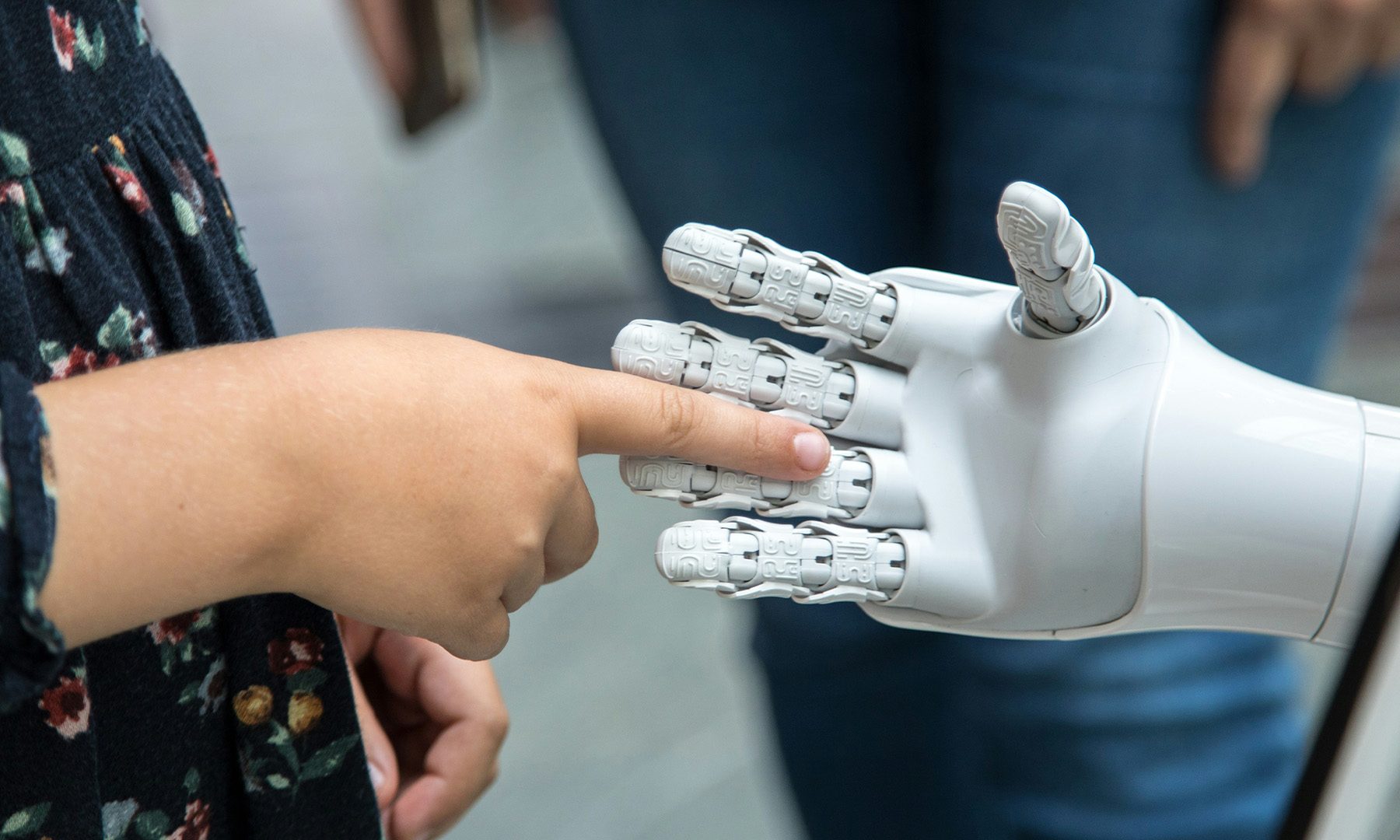
Robot Touch Human Finger

Samsung wants a place in the humanoid race, but its new robotics push begins with machines built for factories rather than homes.

The CEO-led RX robotics division will initially focus on manufacturing robots. Samsung has separately identified humanoids as a priority, although it hasn’t announced a commercial model or explained where one fits into the division’s immediate plans.

Read more
The future of AI may depend on this one behind-the-scenes change
Running Claude on Android.

Whenever a new AI model arrives, it's easy to get caught up in the bells and whistles. We talk about how much smarter it is, how quickly it answers questions, or how realistic its images have become. But here's the thing: none of that matters much if the AI can't reliably work with the apps and services people use every day.

That's why an upcoming update to the Model Context Protocol (MCP) caught my attention. It isn't a new chatbot or a fancy AI model. In fact, most people will never even know it's happening. But it could quietly make the AI ecosystem a lot healthier. If you've never heard of MCP before, don't worry. Think of it as a shared language that lets AI assistants safely talk to apps like Gmail, Slack, calendars, databases, and countless other services. Instead of every company inventing its own way to make those connections, MCP gives everyone a common rulebook.

Read more
The AI game-dev boom has a dark side: fewer jobs for the people starting out
Solo creators are thriving with tools like Claude Code and Copilot, but entry-level game roles are disappearing.
Man playing a video game on a desktop with glowing red and blue lights

AI is making it easier than ever for a single person to build a game. That sounds like a win for creativity, and in many ways, it absolutely is. But there is a catch. As generative AI tools help solo developers and small studios do more with fewer people, the same shift is making life tougher for writers, artists, concept creators, and junior programmers trying to break into the gaming industry.

AI is giving solo developers superpowers

Read more