1. Home
  2. Emerging Tech
  3. News

Researchers built an artificial hand so agile and graceful, it’s lifelike

Add as a preferred source on Google

Machines may be snatching jobs from Wall Street offices and manufacturing factories, but not every employee should worry about automation. There’s certain work robots simply can’t accomplish, such as any task that demands a sensitive and dexterous touch. So, although machines can analyze stock markets and assemble SUVs, few can hold a pencil or twirl it to get a better grip. Fewer still can teach themselves that trick.

But a team of researchers at the University of Washington have developed an artificial hand that’s built by robotics and trained by artificial intelligence. It may be the most sophisticated artificial hand ever created. In a video released by the UW Movement Control Laboratory, the hardware hand shows off its impressive dexterity by counting its fingers with inhuman speed. An animated segment also depicts a simulated hand — powered by machine learning algorithms — that’s taught itself to twirl and flip an object to get a better grip.

Recommended Videos

“Hand manipulation is one of the hardest problems that roboticists have to solve,” UW doctoral student and lead author Vikash Kumar said in a statement. “A lot of robots today have pretty capable arms, but the hand is as simple as a suction cup or maybe a claw or a gripper.”

UW’s robotic and simulated hands aren’t simple – and they aren’t exactly practical, either. The system cost about $300,000 and a few years to develop. And when the team connected the hardware hand with the machine learning models, the robot failed to twirl objects as gracefully as the simulation depicted.

There’s hope, though. With each of the hardware hand’s attempts, the machine learning algorithms analyze and refine the simulated models. In this process, the hardware learns how to better manipulate familiar, individual objects. Soon, UW researchers hope to expand this learning to enable the hand to manipulate new objects on its own.

Dyllan Furness
Former Contributor
Dyllan Furness is a freelance writer from Florida. He covers strange science and emerging tech for Digital Trends, focusing…
Study finds humans will talk to AI ghosts of the dead as reincarnations, and it’s pretty grim
The first AI ghost study is in. The results are about as complicated as you'd expect.
VR Headset, Person, Face

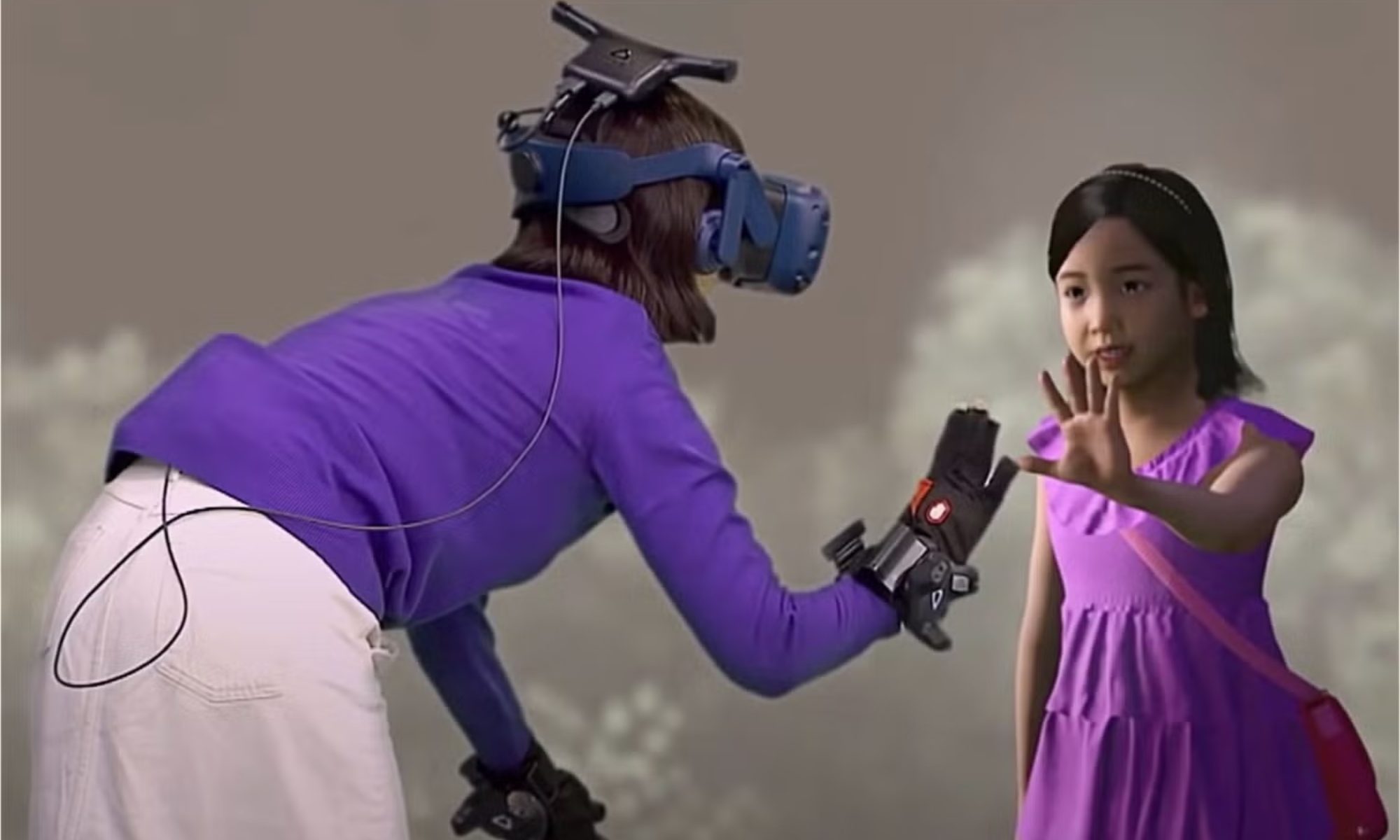
A new study from the University of Colorado Boulder confirms something that sounds both impressive and concerning. People find interacting with AI simulations of their dead loved ones deeply meaningful, and most will come away wanting to do it again.

The researchers call it a "generative ghost," which is a clear reference to generative AI, but I’d still prefer to call it unsettling.

Read more
China’s UBTech unveils eerily lifelike companion robots, and yes, they want to move in with you
UBTech's new humanoid robots are built for companionship, using emotion-aware AI, long-term memory, and humanlike expressions to become part of your everyday life.
UBTech Uworld U1 series robot launch

A humanoid robot designed to live in your house, learn your habits, and pick up on your mood without being prompted is no longer science fiction. Shenzhen-based UBTech Robotics unveiled its Uworld U1 series this week, introducing three robots built for companionship rather than factory work or household chores.

A body that moves like yours, and a brain that reads how you feel

Read more
This $249 LED sign wants to fix your work-life balance
My productivity isn't worth $249... or is it?
Flipper Busy Bar

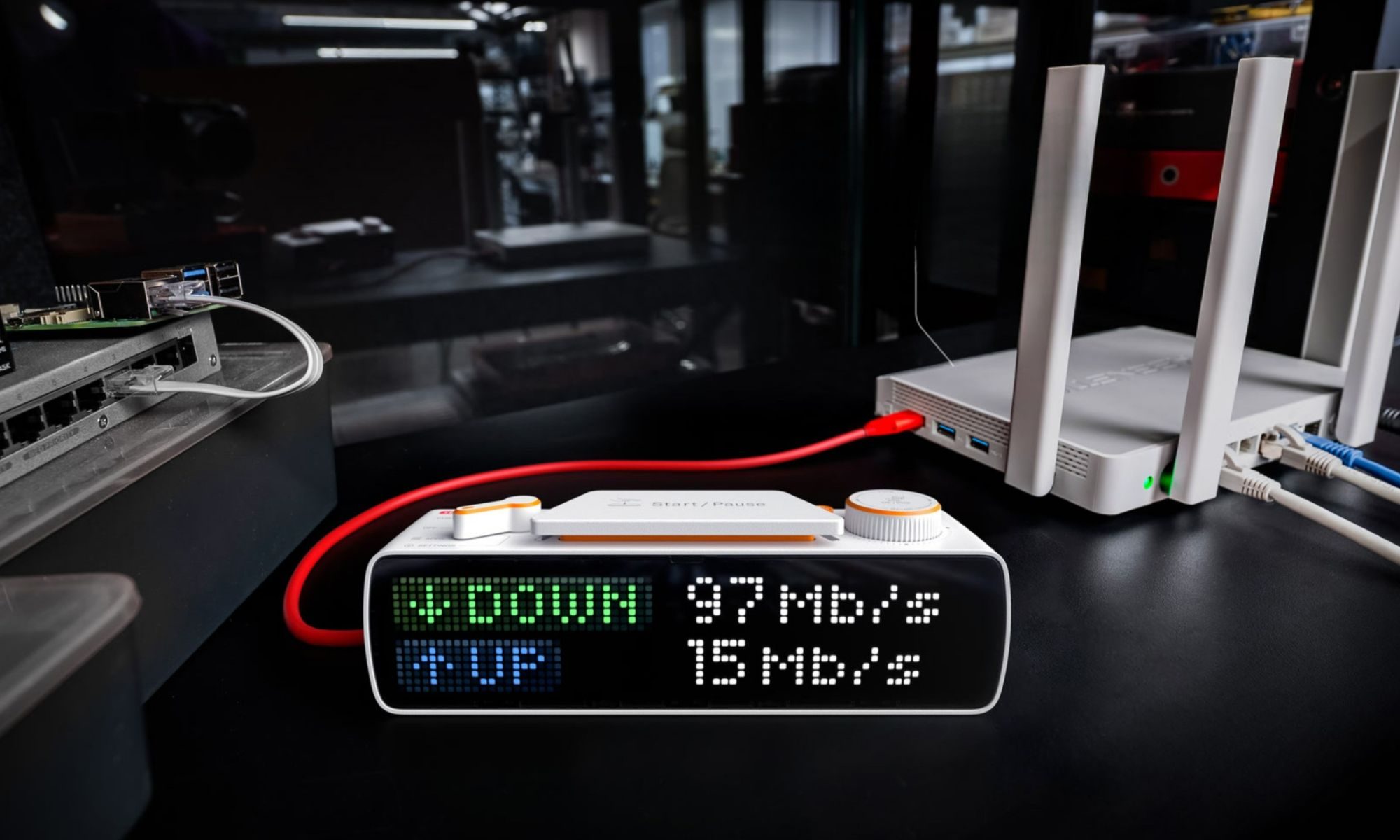
Flipper Devices has built a reputation among hackers and hardware enthusiasts with the Flipper Zero, a pocket-sized gadget capable of interacting with RFID, NFC, Bluetooth, and other wireless protocols. Now, the London-based company is taking a very different approach.

Its latest product, the Busy Bar, is a desktop productivity display designed to help users stay focused, signal their availability, and automate parts of their workflow. After being teased last year, the device is finally going on sale on July 14. While the concept is genuinely clever, its starting price of up to $249 may make many buyers think twice.

Read more