1. Home
  2. Computing
  3. News

NASA alumnus made a 256-core processor just to handle AI

Add as a preferred source on Google

Although no one is sure whether the AI devices of the future are going to kill us, take our jobs or just help us with mundane tasks, one thing we can agree on is that they will need power and lots of it. That’s why a number of companies have developed processors designed with processing tasks in mind, like ex-NASA engineer Daniel Goldin, who’s created a 256-core chip that’s helped him raise over $100 million in funding.

Goldin knows his way around running a company too, since he holds the record as the longest running NASA administrator, with his tenure extending through much of the Shuttle era, between 1992 and 2001. He has brought that expertise and engineering background to bear on KnuPath, his monstrous chip design.

Recommended Videos

This chip is being combined with another product known as KnuVerse, which we’re told is a neural computing system capable of “military grade” voice recognition: no matter how loud the environment you’re in, it will be able to understand you. Background interference is one of the biggest issues facing speech recognition systems — doing away with that could really change the industry.

Related: Elon Musk thinks we should insert ‘neural laces’ into our brains so we can become cyborgs

Combined with the KnuPath processor, which can be stacked with over half a million of its siblings, it’s hoped that this will create the foundation for some of the world’s first real AI, capable of understanding humans and completing their tasks for them.

Details on the chip’s capabilities are quite thin, though TechSpot claims it’s capable of “320Gbps of throughput,” and that its inter-rack latency when built into a server farm is around 400 milliseconds.

What’s really exciting about this technology though, is that it will be free – or at least, the APIs will be. Buying the hardware likely won’t be cheap, but if you can develop new software to make use of it for free, the applications for such a computational system could come thick and fast when KnuPath and KnuEdge are released sometime in the latter half of this year.

Jon Martindale
Jon Martindale covers how to guides, best-of lists, and explainers to help everyone understand the hottest new hardware and…
Claude redefined my bond with Macs. I am building my own apps and it’s a bliss.
I talk to Claude. It builds me apps. It's as simple as that!
Claude AI on Mac.

A few days ago, one of my colleagues asked me a favor. They wanted a few iOS and macOS screenshots turned into a mockup image where the UI is rendered on an iPhone and a MacBook. The problem? It was 3 am PST, which meant asking one of my design team colleagues was out of the question. 

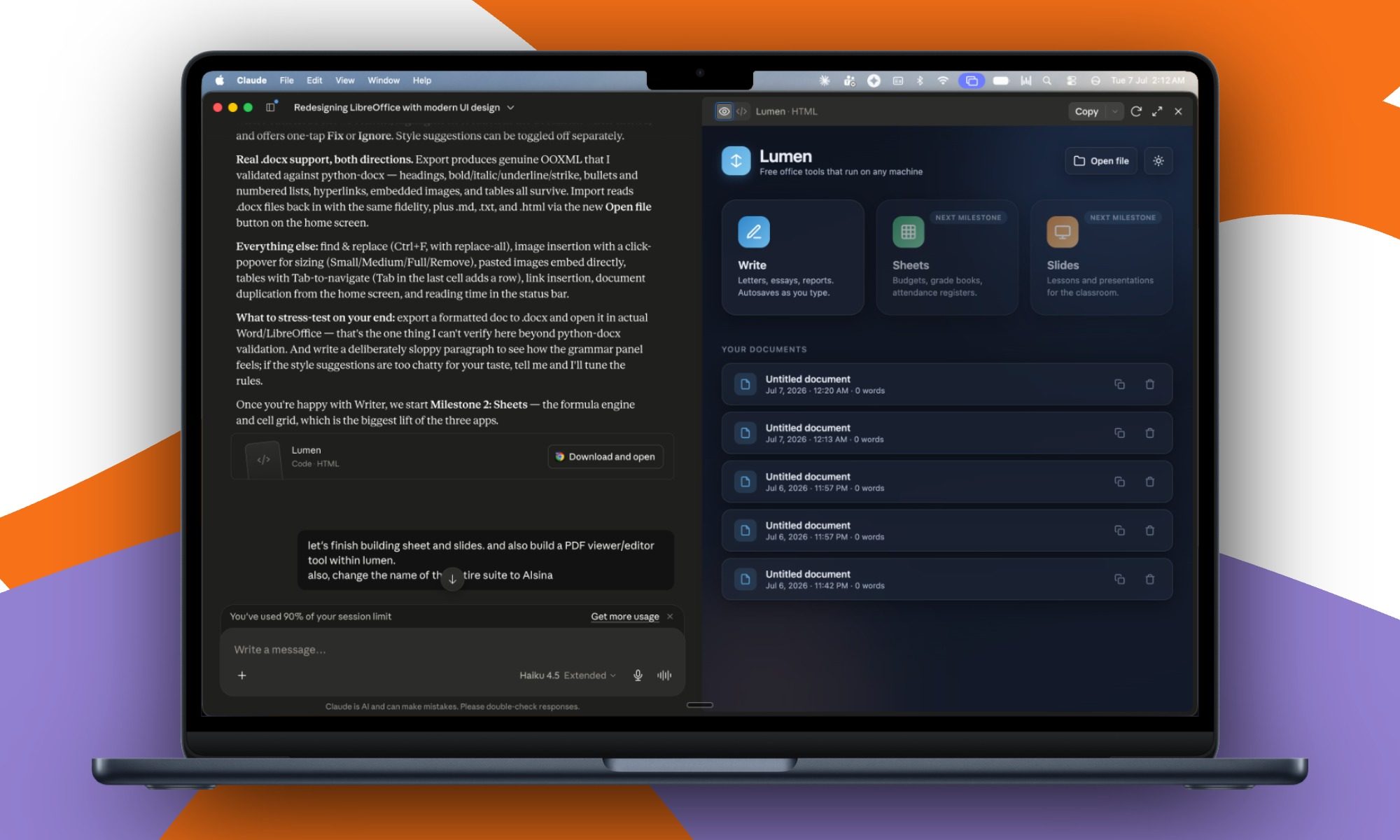
Now, there are plenty of online tools that will do it, but you either have to pay for a subscription (as in Canva), or sign up to buy usage credits after a few free trials. Moreover, these editors limit you to a handful of design presets. I turned to Anthropic’s Claude, and within half an hour, I had a screenshot-to-mockup editor built for the entire team to use. Take a look:

Read more
ASUS Zenbook Duo UX8407AA review: Two screens finally earned their place in my bag
Two machines are definitely better than one, but on the same laptop? Asus nailed it, but you must be willing to pay for the convenience.
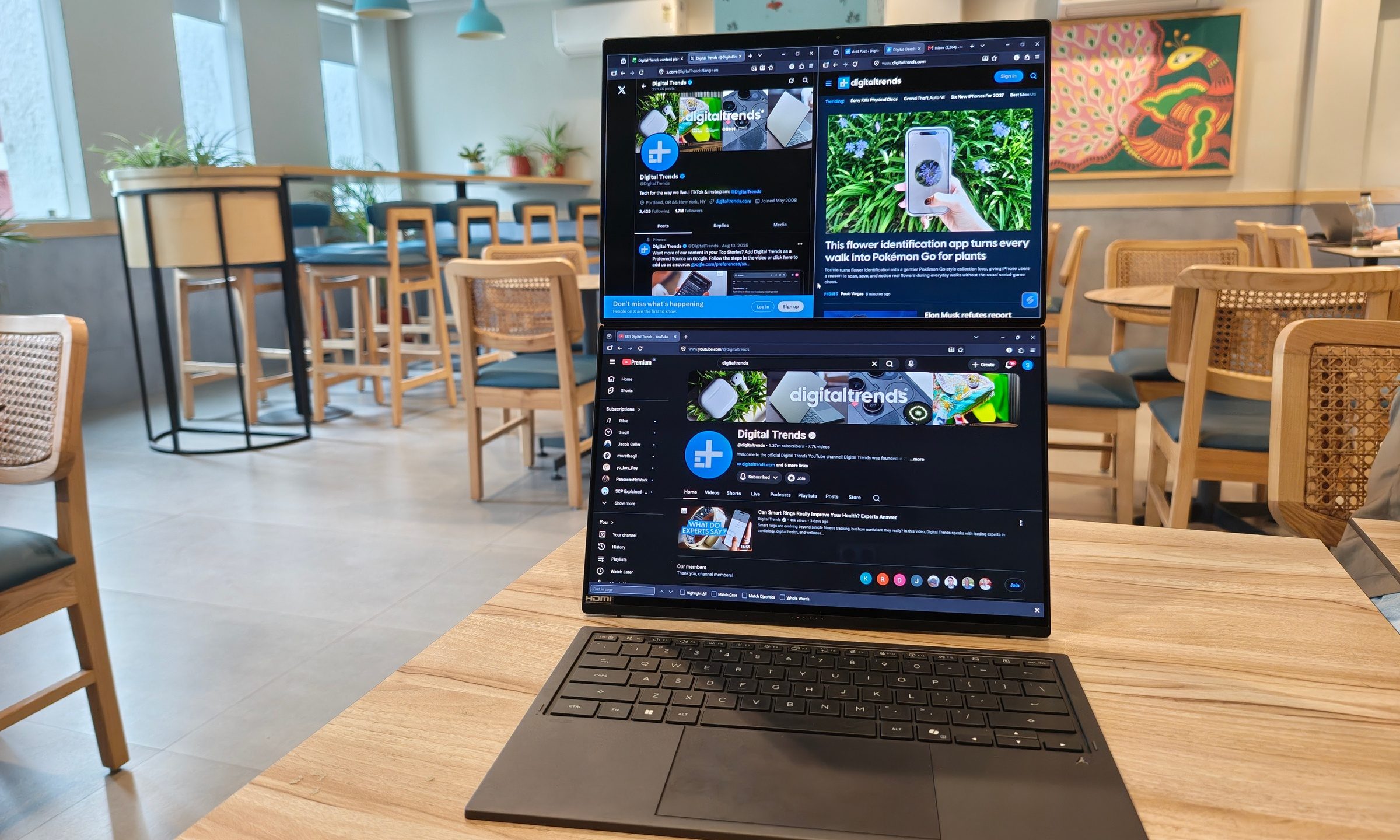
ASUS Zenbook Duo has two displays

See at Amazon

Two displays on a laptop once sounded like an elaborate solution waiting for the right problem. ASUS has spent the past few generations steadily proving otherwise. After using the latest Zenbook Duo (2026) UX8407AA for over two weeks, I started arranging my daily routine around that second display. 

Read more
How Claude helped my 65-year-old dad finally ditch his handwritten ledgers
AI has a lot to answer for, but this one small win is hard to argue with, at least for me.
Claude app on iPhone

My dad has owned a small business for as long as I can remember, and for just as long, he's kept his books the old-fashioned way. Every sale gets written down by hand so he can file his taxes later. The problem is that his accountant needs this data in Excel, and my dad, who didn’t grow up around computers, has never learned how to use it.

For years, his workaround was paying someone to manually type his handwritten entries into a spreadsheet. It worked, but it was adding additional cost to his business, which he wanted to avoid, but couldn't.

Read more