1. Home
  2. Emerging Tech
  3. News

Teach your kids how to code with Root: a playful, programmable drawing robot

Add as a preferred source on Google

Is there a single kid out that who, at one time or other, didn’t wish their teacher was a robot? Well, thanks to a team of engineers from the Wyss Institute for Biologically Inspired Learning at Harvard University, that geeky pipe-dream is now a reality. That’s because they’ve created a 3D-printed robot called Root, designed to teach kids how to code.

The idea behind Root is simple: the easiest way to get kids to understand something as abstract as coding is to provide a means of making it relevant in the real world. One way of doing this is to get learners to program a robot; instructing it to move about, perform tasks, and interact with its environment.

Recommended Videos

“Coding with robots is a dynamic experience,” lead robotics researcher Zivthan Dubrovsky tells Digital Trends. “The robots are reacting to things in the environment, people are reacting to the robot, and the code needs to compensate. There isn’t just one solution, structure, or process that works and we feel learning coding this way is more versatile. Robots are a great way to bring coding to life, and give a physical presence to both simple and complex coding problems. We believe that tactile real physical learning with robots such as Root is the push that will make coding approachable and sustainable in education.”

Here’s a video showing how it all works.

Meet ROOT: The Robot that Brings Code to Life

Root’s creators say they are currently in the process of developing a curriculum that will use the same Root robot in classrooms ranging from kindergarten up to college-level. As students become more adept at coding, Root’s interface becomes more complex — starting with a basic “if/then” system for younger students, while more advanced learners can graduate to fully text-based coding.

The $199 robot is currently only available on a small print run using 3D printing technology, but it is hoped that it can be mass-produced and made available to schools everywhere as early as 2017.

We’ll be first in line!

Luke Dormehl
I'm a UK-based tech writer covering Cool Tech at Digital Trends. I've also written for Fast Company, Wired, the Guardian…
Study finds humans will talk to AI ghosts of the dead as reincarnations, and it’s pretty grim
The first AI ghost study is in. The results are about as complicated as you'd expect.
VR Headset, Person, Face

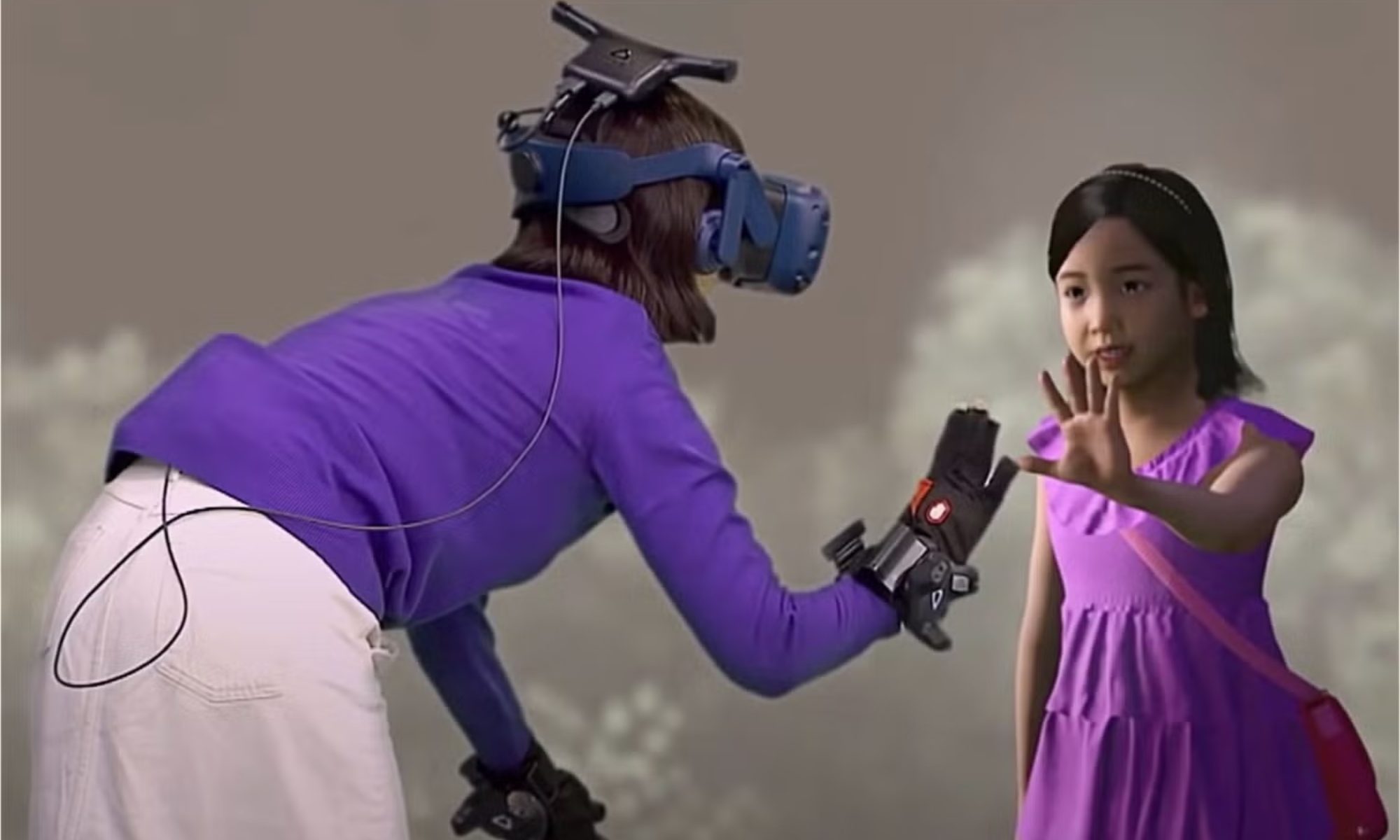
A new study from the University of Colorado Boulder confirms something that sounds both impressive and concerning. People find interacting with AI simulations of their dead loved ones deeply meaningful, and most will come away wanting to do it again.

The researchers call it a "generative ghost," which is a clear reference to generative AI, but I’d still prefer to call it unsettling.

Read more
China’s UBTech unveils eerily lifelike companion robots, and yes, they want to move in with you
UBTech's new humanoid robots are built for companionship, using emotion-aware AI, long-term memory, and humanlike expressions to become part of your everyday life.
UBTech Uworld U1 series robot launch

A humanoid robot designed to live in your house, learn your habits, and pick up on your mood without being prompted is no longer science fiction. Shenzhen-based UBTech Robotics unveiled its Uworld U1 series this week, introducing three robots built for companionship rather than factory work or household chores.

A body that moves like yours, and a brain that reads how you feel

Read more
This $249 LED sign wants to fix your work-life balance
My productivity isn't worth $249... or is it?
Flipper Busy Bar

Flipper Devices has built a reputation among hackers and hardware enthusiasts with the Flipper Zero, a pocket-sized gadget capable of interacting with RFID, NFC, Bluetooth, and other wireless protocols. Now, the London-based company is taking a very different approach.

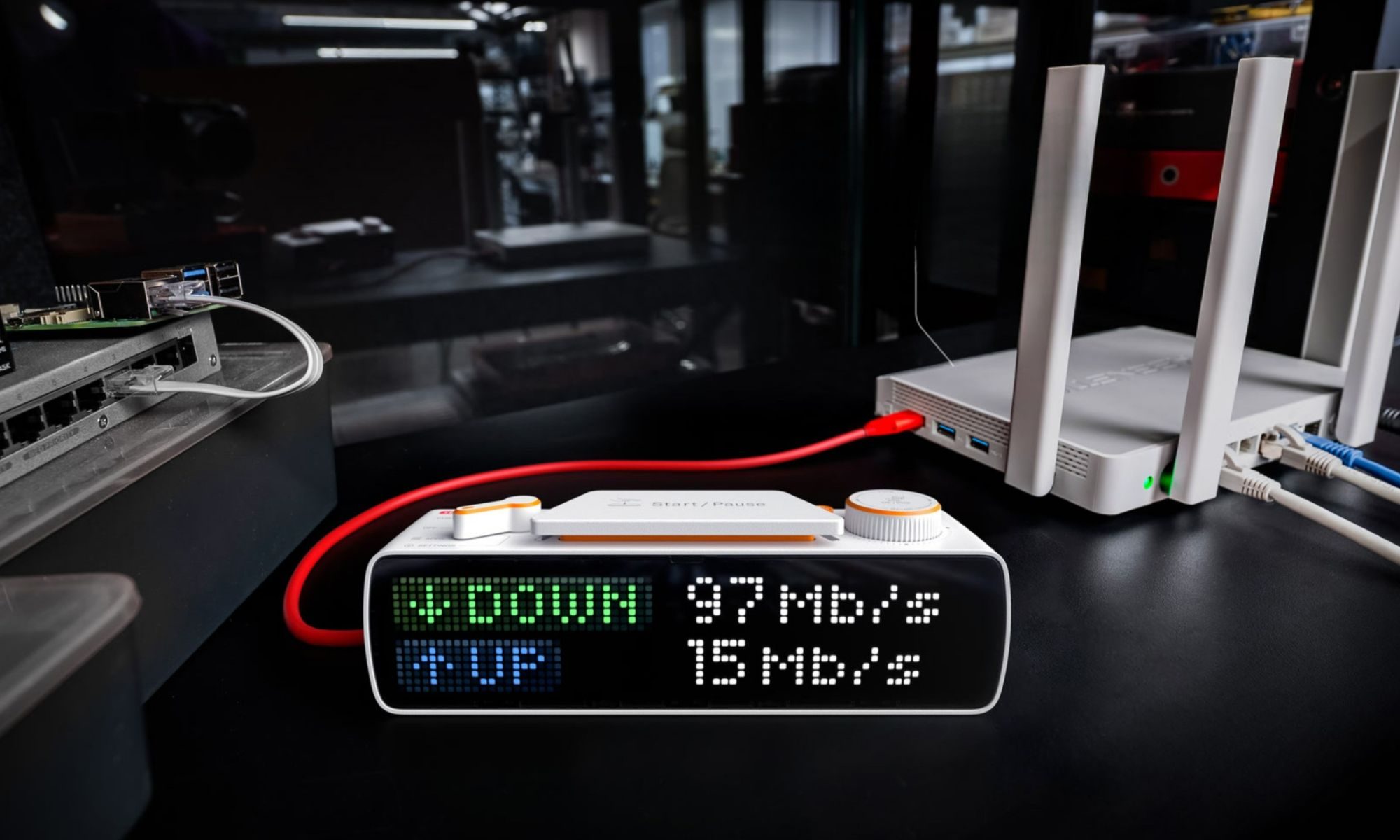
Its latest product, the Busy Bar, is a desktop productivity display designed to help users stay focused, signal their availability, and automate parts of their workflow. After being teased last year, the device is finally going on sale on July 14. While the concept is genuinely clever, its starting price of up to $249 may make many buyers think twice.

Read more