1. Home
  2. Emerging Tech
  3. News

China is on track to launch a second space station into orbit in September

Add as a preferred source on Google

China ticked a couple more boxes on its space-program checklist this weekend, as it gears up to send a second space station into orbit this September.

On Sunday, China successfully recovered an experimental probe, which it launched on a new rocket called the Long March 7, reports state-run Xinhua News Agency. This marked the first use of the expansive Wenchang Satellite Launch Center, a new facility on the southern Chinese island of Hainan, and the first launch of the Long March 7 rocket, which has been lauded for its use of more efficient propellants. The experimental probe was being tested as a half-scale model of a crew capsule that the country hopes will transport astronauts into and out of orbit.

Recommended Videos

Capable of carrying some 13.5 metric tons (30,000 pounds), the Long March 7 is the most powerful rocket China has ever built, so its successful launch is a milestone for a country that put its first astronauts into space just 13 years ago. The rocket was also fueled by a mixture of kerosene and liquid oxygen, which proved far more environmentally friendly than the hypergolic fuels of China’s yesteryear.

The new launch site has also contributed to lessening fuel costs. The Wenchang Satellite Launch Center — China’s fourth such facility — is located farther south than any of the nation’s other launch pads. Since rockets need less propellant when launched near the equator, the Wechang Center will help save China about $6 million in fuel with each launch.

These slight but significant achievements are keeping China on track for two more ambitious missions in the near future. In September, China plans to begin launching components of its second space station, the Tiangong 2, into orbit. It also hopes to launch an unmanned mission to Mars by 2020, right on the heels of SpaceX’s Red Dragon spacecraft.


Dyllan Furness
Former Contributor
Dyllan Furness is a freelance writer from Florida. He covers strange science and emerging tech for Digital Trends, focusing…
Google just canceled its AI Studio mobile app, and it’s not all bad news
Logo, Symbol, Disk

Google AI Studio was on track to make its way to Android and iPhone, giving developers and AI enthusiasts a dedicated place to build prompts and experiment with Google's latest models from their phones.

That's no longer happening. In a post shared by the official Google AI Studio account on X, Google confirmed that it's canceling the standalone AI Studio mobile app before launch. The announcement comes despite the company saying nearly 800,000 people had already pre-ordered the app across iOS and Android.

Read more
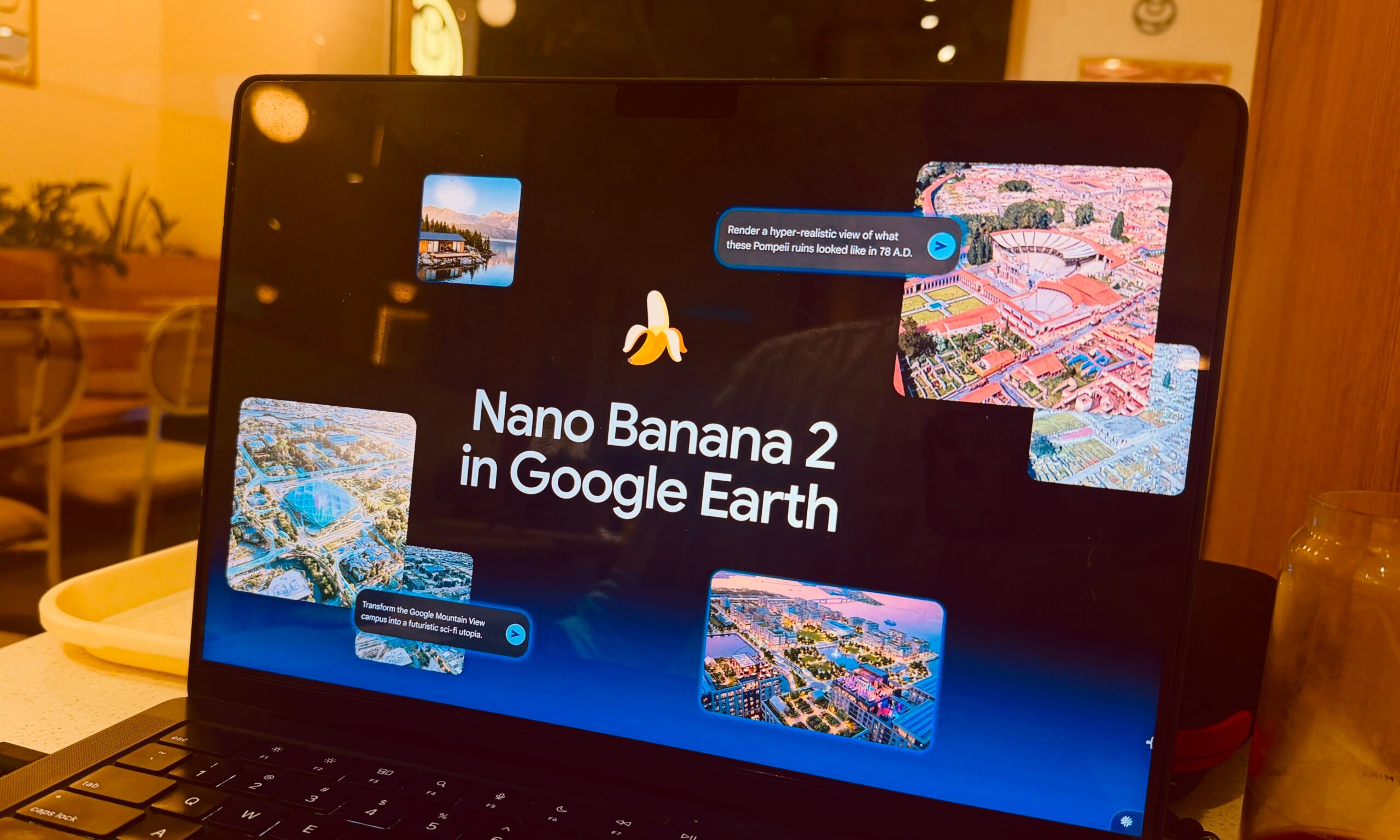
Google Earth’s AI misadventure lasted only a day. It was a tale of dangerous ignorance.
Nuclear reactors, tanks, and historical destruction on a life-like satellite map? Yeah, that's bad.
Nano Banana AI image generator representation.

Technology behemoths are clearly not reading the room, or they are just moving faster than they should when it comes to AI deployment. Google has already stuffed its Gemini AI in every corner of its software stack, from Android to daily productivity tools like Gmail that are used by hundreds of millions of users every day. AI is everywhere. Not all of it is bad, mind you. But in a few places, it just feels forced.

In its latest AI-fication experiment, the company targeted Google Earth. The idea was to let the audience use its Nano Banana 2 AI image generator and make images that can be placed on the map view. On paper, it's a cool idea. What would the Colosseum of Rome look like in your urban neighborhood? Yeah, fun stuff like that.

Read more
Google’s new AI gives robots better balance, smarter hands, and teamwork capabilities
Google just made robots a lot less clumsy and a lot more helpful.
Gemini robotics 2.0

Google DeepMind just brought sci-fi robots closer to reality, and it is very exciting. Building on its original Gemini Robotics model, the company has introduced Gemini Robotics 2, an AI system designed to help robots think, move, and even work together. Unlike most robots today, which rely on pre-programmed routines or someone controlling them remotely, this new system lets robots figure things out on their own when situations get unpredictable.

Can robots finally handle whole-body tasks?

Read more