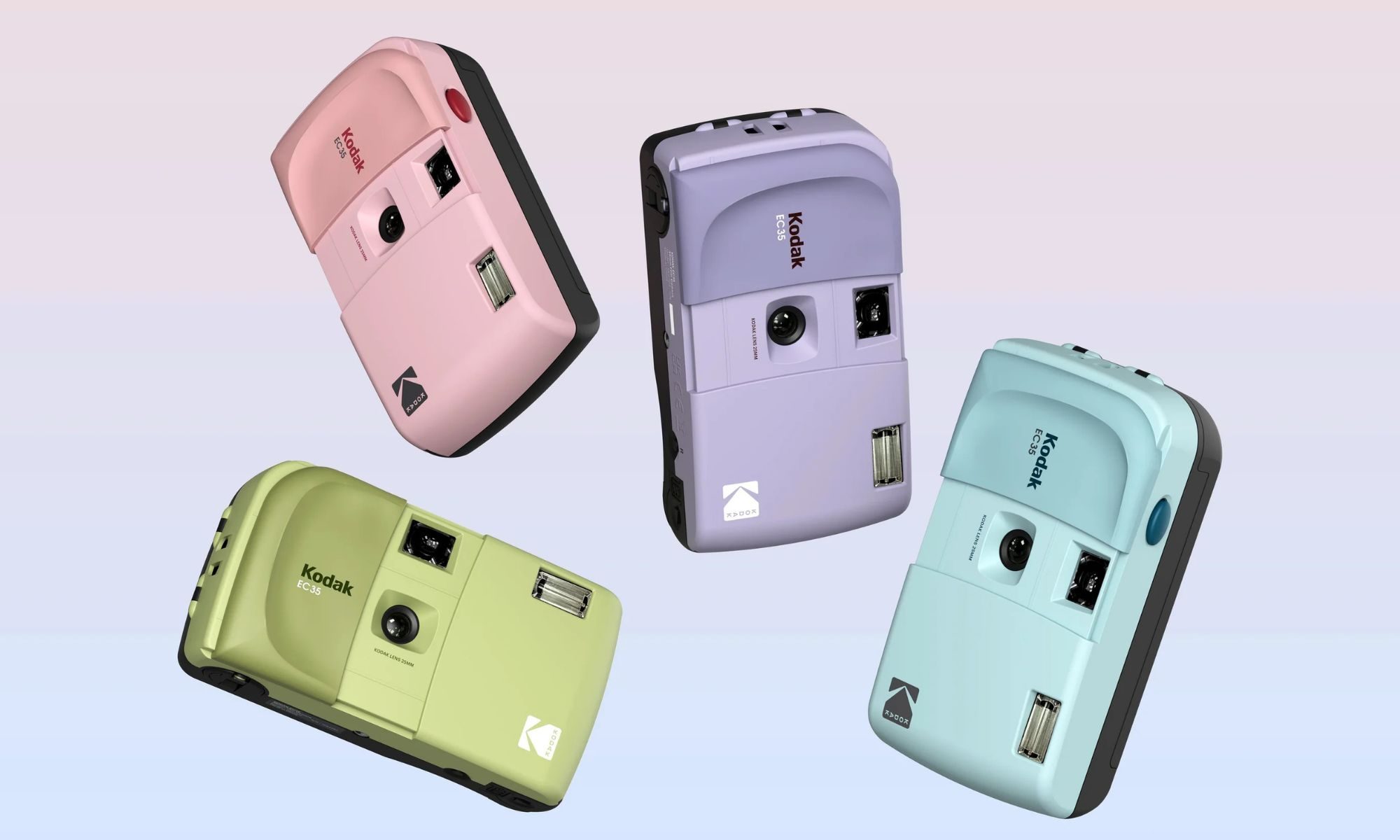
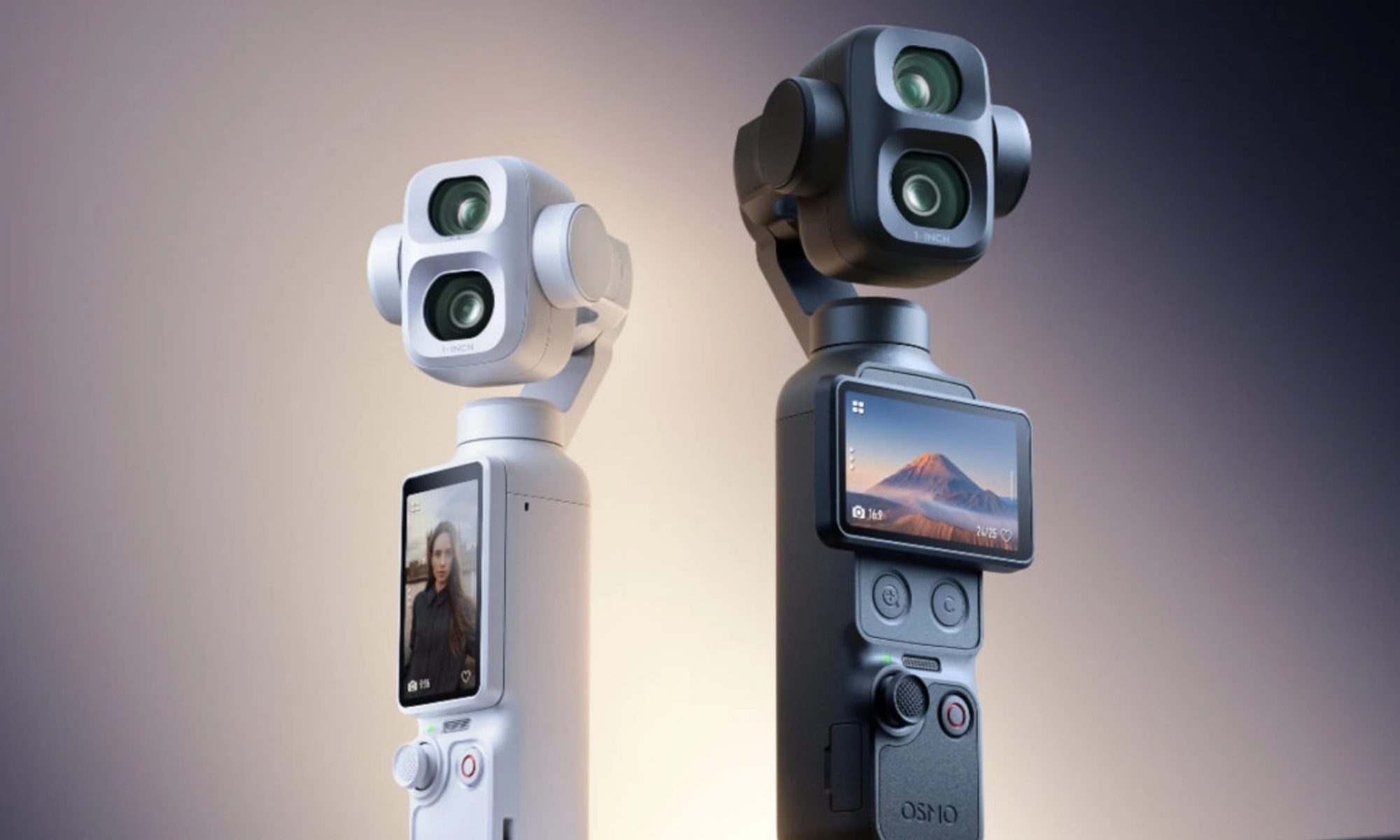
Wearable cameras capture a video diary of your day — but what if we had a way to tell them to only record the important stuff? What if wearable cameras could automatically stop recording when you go to the bathroom? And what if they had enough battery life to record all day?
A research team from Rice University is working on technology that could make all that a reality. The project aims to essentially give cameras “selective memory” by allowing them to not only constantly watch their surroundings (without a significant drain on battery life), but also to record only certain things. That means wearable cameras could be programmed to record only the highlights of the day, like conversations and people, not the twenty minutes you spent in the shower.
Small cameras, like the ones inside smartphones, and wearable cameras actually don’t have anything physically preventing them from seeing everything. Unlike a traditional camera, there’s no room for a physical shutter that opens to take a picture and closes to stop recording. Instead, these types of cameras use an electronic shutter. Essentially, the lens is open all the time, but when you hit the record button, a burst of electricity signals the sensor to start recording or to take a still picture. Without that electric signal, there’s no recording.
The problem is that electronic shutters cause major battery drain — and of course, there’s the issue of things that we really don’t want to record. The research team from Rice last year was able to limit the camera’s power consumption by a factor of ten simply through software improvements. But with camera sensors needing to be about 100 times more efficient for the team’s ideas to take root, there’s quite a bit of work left.
The team’s latest strategy for improving that power consumption is to limit the conversion. Videos are automatically converted from analog to digital to achieve a higher quality. If the camera could analyze the footage first and only convert the important footage and delete the rest, however, the camera’s battery life could be improved by another factor of ten.
“So, if there are times, places, or specific objects the user doesn’t want to record — and doesn’t want the system to remember — we should design mechanisms to ensure that photos of these things are never created in the first place,” said Robert LiKamWa, a Rice University graduate student.
That’s how the team developed the RedEye system, which recognizes things like faces, animals, and other objects, even in the lower-quality analog format. Using the recognition software, the system then determines what footage to convert and which clips to discard on a camera receiving continuous input.
Along with helping to improve a wearable camera’s battery life, the technology also has implications for protecting privacy, for example by teaching wearable cameras not to record inside a bathroom. While the Rice University team has enhanced wearable-cam battery life by a factor of ten on two separate occasions, the technology needs an additional improvement, by a factor of one hundred, to make a 24/7 wearable lifestyle camera possible.
Still, the potential for not having to sift through hours of boring footage — along with the possibility of having software designed to stop the camera’s recording in certain situations — could very well change the way we use wearable cameras in the future.